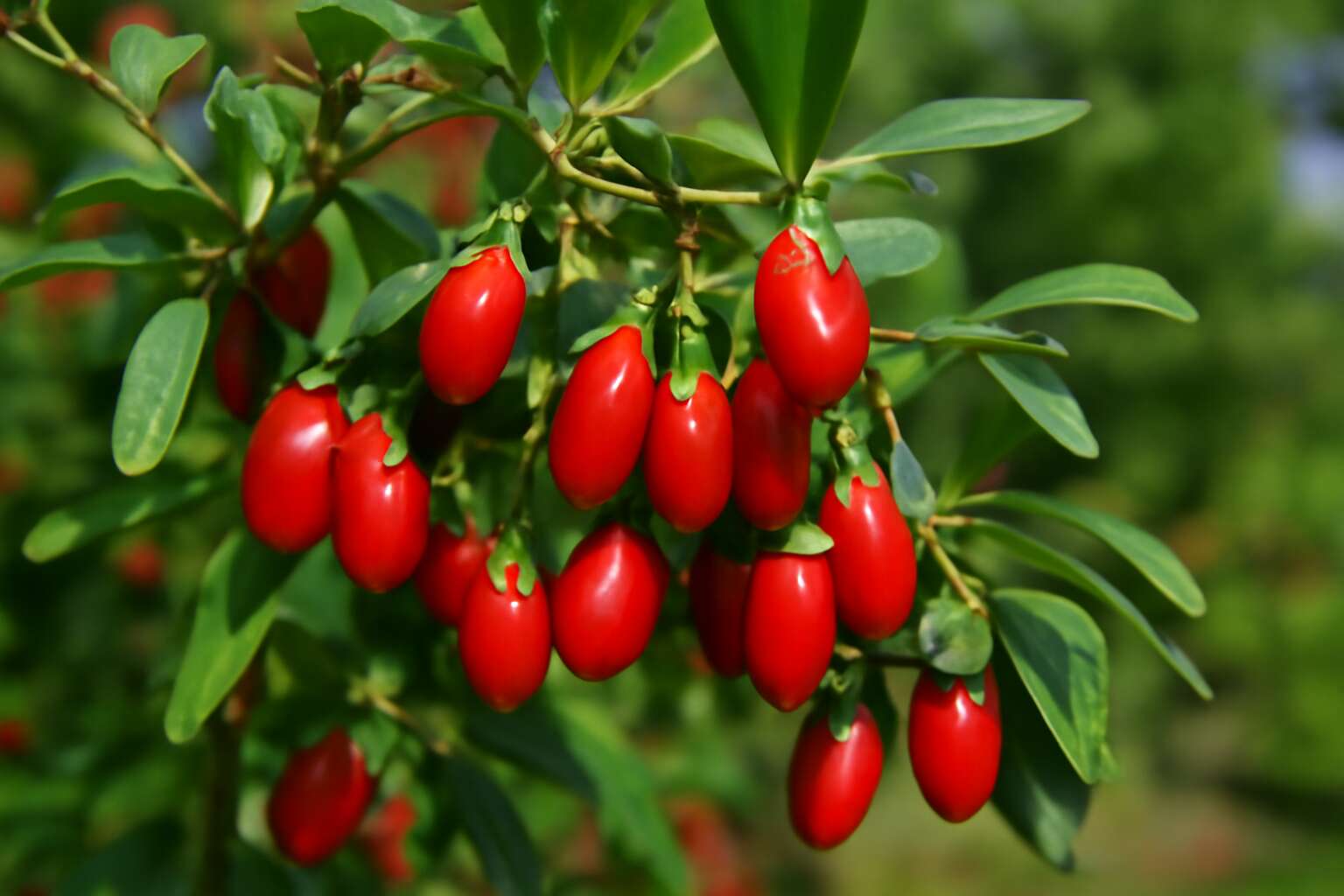
Will Goji Berries Grow in North Carolina: Overview and Viability
Overview of Goji Berry Growth Potential in North Carolina
In North Carolina’s humid summers and patchy winters, the question will goji berries grow in north carolina among curious gardeners. Goji berries (Lycium barbarum) want a long, warm growing season and a light touch from winter chill. As one horticulture expert quips, ‘climate is the handshake that either lets a vine in or keeps it out.’ For readers in South Africa, the concept rings true—subtropical pockets are familiar, but North Carolina’s winter reliability and pest pressure shape the outcome.
Several factors determine whether this fruiting vine can thrive in NC soil and climate:
- Chill hours and winter tolerance
- Soil drainage and pH (slightly acidic to neutral)
- Full sun with protection from heat
- Vining support and spacing
- Pest and disease pressure common to eastern gardens
Viability hinges on microclimate and cultivar selection, not broad generalities, and the question remains nuanced for South African gardeners picturing North Carolina’s seasons.
Climate and Zone Considerations for the Southeast
South Carolina summers can feel like a kettle left on high, and North Carolina’s patchwork winters shape what a goji vine can endure. For readers asking will goji berries grow in north carolina, the answer hinges on microclimate nuance and cultivar choices. The Southeast’s mosaic invites a hopeful story, but the vibe shifts with humidity, heat spikes, and winter reliability.
In the Southeast, remote pockets offer microclimates that can cradle the plant. Consider these zones:
- Coastal plains with sea breezes and well-drained soils—gentler winters, but hotter summers
- Piedmont hollows with lingering humidity and moderate chill
- Mountain pockets where fall chills arrive early but growing seasons shorten
In practice, viability rests on cultivar selection and a microclimate that favors steady warmth and good drainage. I’ve seen vines cling where a sheltered border blocks the worst winds, and I’ve watched others struggle where heat and humidity converge. The Southeast is a mosaic; so, too, is the South African reader’s garden.
Choosing Goji Berry Varieties for NC Gardens
For readers asking will goji berries grow in north carolina, the answer comes down to microclimate nuance and cultivar choices. In a landscape where humidity high-fives heat spikes, a sheltered, well-drained patch can turn speculative vines into a fruiting reality. South Africa’s gardeners know heat alone isn’t enough—drainage and sun exposure are the real stars of the show.
Overview and Viability: North Carolina’s mix of sun, humidity, and occasional frosts makes goji vines a test of site selection more than a passport. Look for spots with steady warmth, good drainage, and wind protection; a trellis helps keep berries within reach and air moving. For South African readers, think raised beds and mulch to tame roots while the vine climbs.
- Heat tolerance and long-season vigor
- Trellis-friendly habit with manageable size
- Resilience to humidity and pests
Starting Tips for Beginners in North Carolina
On a North Carolina lawn, the question will goji berries grow in north carolina cuts through the heat like a sharp blade—because the truth hides in microclimates and patience. South African growers insist vigor isn’t won by sun alone; it’s earned through drainage, airflow, and a willingness to adapt. The landscape reveals itself slowly, in sheltered pockets.
Viability in this corner of the country demands a patch that behaves like a pocket of weather: steady warmth, diligent drainage, and a protective windbreak. A trellis becomes architecture, guiding the vine and keeping fruit within reach while air moves through the leaves.
Beginners circling this idea discover a softer start: warmth gathers, roots rest in mulch, and the vine climbs with patient pace. In such a setting, goji might answer back with a blush of fruit, quietly affirming the possibility!
Soil, Sunlight, and Planting Requirements for NC Goji Berries
Soil pH, Texture, and Amendments for Goji Berries
Goji berries don’t hide in the shadows of a garden — they crave a robust, forgiving soil. For will goji berries grow in north carolina, the answer lies in the ground: well-drained, loamy soil with organic matter and a pH near 6.0 to 6.8 sets the stage. A light amendment and a seasonally thick mulch often seal the deal.
- Well-draining loam with organic matter
- Soil pH around 6.0–6.8
- Amendments: compost or aged manure to enrich texture
Sunlight is the propellant. They relish full sun—ideally 6 to 8 hours daily—yet NC’s heat hums a caution: morning sun with some afternoon shade guards against scorch and brittle canes.
Planting requirements lean on air flow and resilient roots. Space and gentle crowding support future growth, while a mulch blanket helps regulate moisture and suppress weeds. Southern landscapes benefit from wind protection and well-drained beds that keep canes upright during humid summers.
Sunlight, Spacing, and Watering Needs in North Carolina
For South Africa’s gardeners, watching the southern sun mirror North Carolina’s drama, the goji dream flickers between shadows and sun. A striking fact haunts the greenhouse bench: the fruit answers to soil and sun, not bravado. will goji berries grow in north carolina is a question that hinges on what you coax from the earth and its light.
Let the bed drink with dignity: well-drained, loamy soil rich in organic matter; aim for a gentle pH near 6.0 to 6.8. A light amendment—compost or aged manure—gives texture a forgiving sigh and invites sturdy roots to take hold.
Sunlight is the lifeblood: full sun—six to eight hours daily—though North Carolina’s furnace whispers a warning; morning sun with afternoon shade keeps canes supple. Space for air, mindful crowding, and a mulch cloak protect moisture and deter weeds, while beds remain well-drained and wind-sheltered for upright canes.
Propagation Methods: Seeds vs Cuttings in NC Gardens
Soil is the quiet architect of the goji dream; will goji berries grow in north carolina? The bed should cradle roots in well-drained, loamy soil rich in organic matter, with a gentle pH near 6.0 to 6.8. Amend with compost to loosen texture and invite sturdy roots, then mulch to conserve moisture and deter weeds.
Sunlight fuels growth. Goji canes crave full sun—six to eight hours daily—though a touch of morning sun with afternoon shade can spare leaves in Carolina’s heat. Ensure beds are airy, well-drained, and shielded from fierce winds to keep canes upright and productive.
Propagation for NC gardens welcomes both seeds and cuttings, each with its own tempo.
- Seeds: collect ripe berries, rinse, dry; sow shallowly in a warm, bright tray with a light, well-draining mix; keep evenly moist; germination typically 2–4 weeks; transplant when two true leaves appear.
- Cuttings: take 6–8 inch semi-hardwood cuttings in late spring; dip in rooting hormone; plant in a humid, well-drained medium; provide indirect light and steady warmth until roots form.
Seasonal Planting Calendar and Best Planting Windows in North Carolina
Soil in NC gardens should feel alive—loamy, well-drained, rich with organic matter. It cradles roots and invites steady growth, not a soggy trap. If you ask will goji berries grow in north carolina, the answer hinges on a bed that breathes and on moisture cycles.
Sunlight powers the cane; goji plants crave long days of sun, yet a touch of morning light with afternoon shade can spare leaves in Carolina heat. An airy, well-drained bed helps warmth linger, while wind protection keeps canes upright and productive.
- Long sun exposure supports vigorous canes
- Open, airy beds prevent heat stress
- Balance sun and shade to protect leaves
During North Carolina’s seasonal rhythm, planting windows drift with warm spells. They open in late winter or early spring, or again in early autumn, aligning root establishment with mild temperatures before extremes arrive. For South African readers, the rhythm mirrors temperate calendars elsewhere.
Care and Maintenance for Goji Berries in North Carolina Gardens
Pruning and Training Vines for Maximum Yield
From the hedgerows of a South African garden to a sunbaked North Carolina plot, the question remains: will goji berries grow in north carolina? The answer hinges on thoughtful care and deliberate training that unlocks yield.
Care and maintenance revolve around steady moisture, mulching, and light feeding. Shield vines from late frosts with a fleece cover, and inspect for hungry pests with a calm, nightly watch.
Pruning and training essentials, when done right, maximize branch strength and fruiting potential:
- Choose a sturdy trellis or espalier frame to guide growth.
- Train new canes along wires, pinching tips to encourage branching.
- Prune in late winter, removing dead wood and thinning to 3–4 vigorous canes.
With consistent pruning and a patient eye, you can steadily renew the canopy and encourage fruiting on fresh wood. The vines reward steady care with reliable harvests that adapt to NC heat and humidity.
Fertilization, Mulching, and Soil Health in NC Heat
For gardeners curious about will goji berries grow in north carolina, the answer comes down to soil vitality and steady care in NC heat. Humidity and long summers demand a resilient root zone, consistent moisture, and a soil community that can weather stress with you.
Fertilization: aim for balanced, modest feeding—organic matter, compost, and occasional slow-release blends support fruiting without scorch. In warm seasons, light, even applications across the root zone keep nutrients available as vines stretch toward the sun.
Mulching and soil health: a generous organic mulch guards against moisture loss, moderates temperature, and feeds soil life. In NC gardens, choose materials that decompose gradually and contribute organic matter while maintaining good drainage and air flow around the crowns.
Pest, Disease, and Weed Management in the Southeast
Care and maintenance for goji berries in NC gardens hinges on vigilance against humidity-loving pests and disease. In humid summers, fungal issues can rise by up to 40%, a statistic that keeps gardeners on their toes. Southeast climates push vines to the limit, but a resilient root zone and a balanced canopy can keep trouble at bay. will goji berries grow in north carolina? Yes—when the soil breathes, moisture stays even, and beneficial insects lend a quiet guard against unwelcome guests.
Here are the pest, disease, and weed considerations that shape ongoing care in the Southeast:
- Pest watch: aphids, mites, scale, and caterpillars
- Disease cues: powdery mildew and leaf spots
- Weed dynamics: grasses and annuals competing for moisture and space
Irrigation Strategies and Drought Preparedness for Goji Berries
Sizzling North Carolina summers test plant temperaments, but goji vines can endure with smart irrigation and resilient roots. The trick is steady soil breath and even moisture that never leaves the root zone soggy or starved. The question: “will goji berries grow in north carolina” is answered with a confident yes, when your landscape scaffolds moisture with breathable beds and a balanced canopy that keeps humidity in check.
- Mulch acts as a moisture buffer and weed barrier.
- Soil-moisture monitoring helps catch dry spells without overwatering.
- Rainwater harvesting serves as a supplementary source to minimize reliance on taps.
With thoughtful irrigation design, drought preparedness becomes part of the garden’s personality rather than a crisis. South African readers, familiar with heat and humidity, will appreciate the same balance when the seasons roll in.
Harvesting, Storage, and Uses of Goji Berries in North Carolina
Harvest Timing and Ripeness Indicators in NC
For readers curious will goji berries grow in north carolina, the answer is a cautious yes. The Southeast climate can nurture their sweetness, though maturation runs a touch later and demands a careful eye on humidity and airflow.
Ripeness in NC is betrayed by color, texture, and aroma.
- Color: rich, uniform red or orange-red.
- Texture: plump, gently pliable to the touch.
- Aroma: sweet, with a lively hint of sunshine.
Storage emphasizes keeping fresh fruit cold to preserve flavor, or drying as a pantry staple, or freezing for longer-term use.
Uses span tea, jams, smoothies, and baked goods; in South Africa and the Carolinas alike, their vivid color lifts everyday menus.
Post-Harvest Handling, Drying, and Preservation
A 72-hour cold chain can cut post-harvest spoilage by as much as 40%, keeping goji berries bright and fragrant. For readers wondering will goji berries grow in north carolina, the answer is a cautious yes—warm days, crisp nights, and good airflow push fruit to full sweetness without humidity stealing flavor.
Post-harvest handling in NC hinges on gentle picking, rapid cooling, and careful packing. Fresh berries store best at cool temperatures, while drying concentrates sweetness for pantry use, and freezing preserves flexibility for smoothies, jams, and baked goods without the muddy flavors that heat hastens.
Uses span tea, jams, smoothies, and baked goods; their vivid color brightens menus from the Carolinas to South Africa, adding sunshine and sweetness to everyday dishes.
Nutritional Benefits, Shelf Life, and Storage Tips
Harvesting unfolds with a quiet ceremony—the vines gift ruby orbs in the cool hush of dawn. for readers asking will goji berries grow in north carolina, the answer glows: a cautious yes, where warm days and crisp nights coax sweetness while good airflow preserves perfume.
Storage keeps that luminance, and their nutritional benefits—antioxidants and vitamins—shine when kept in cool, dry air. Shelf life lengthens when humidity stays low, preserving flavor and color for months. In South Africa, this versatility translates to teas, smoothies, and baked goods that brighten everyday menus.
- Tea infusions that brighten mornings
- Jams and preserves with Carolina warmth
- Smoothies and baked goods for daily brightness
Culinary Uses, Recipes, and Local Adaptations for Goji Berries
Readers asking will goji berries grow in north carolina? The answer glows: a cautious yes. Harvesting unfolds like a quiet ceremony: dawn light on glossy fruit, vines lightly perfumed by the cool night air, berries plucked by hand and laid in a single layer to finish their sweetness.
Storage in this climate leans toward cool, dry spaces; humidity under control preserves color and antioxidants longer. If air-drying isn’t immediate, a breezy spread and gentle air flow help retain perfume and texture, letting harvests last through weeks rather than days.
Culinary uses and local adaptations bring the NC goji bounty to the table. From pork glazes to bright chutneys and lively desserts, the berry punctuates Southern flavors with a tangy, sunny note. Try these ideas:
- Glazed NC pork or poultry with goji reduction
- Goji-berry chutney for biscuits and cheese boards
- Goji-sunflower seed dressings or smoothies for brighter breakfasts




0 Comments