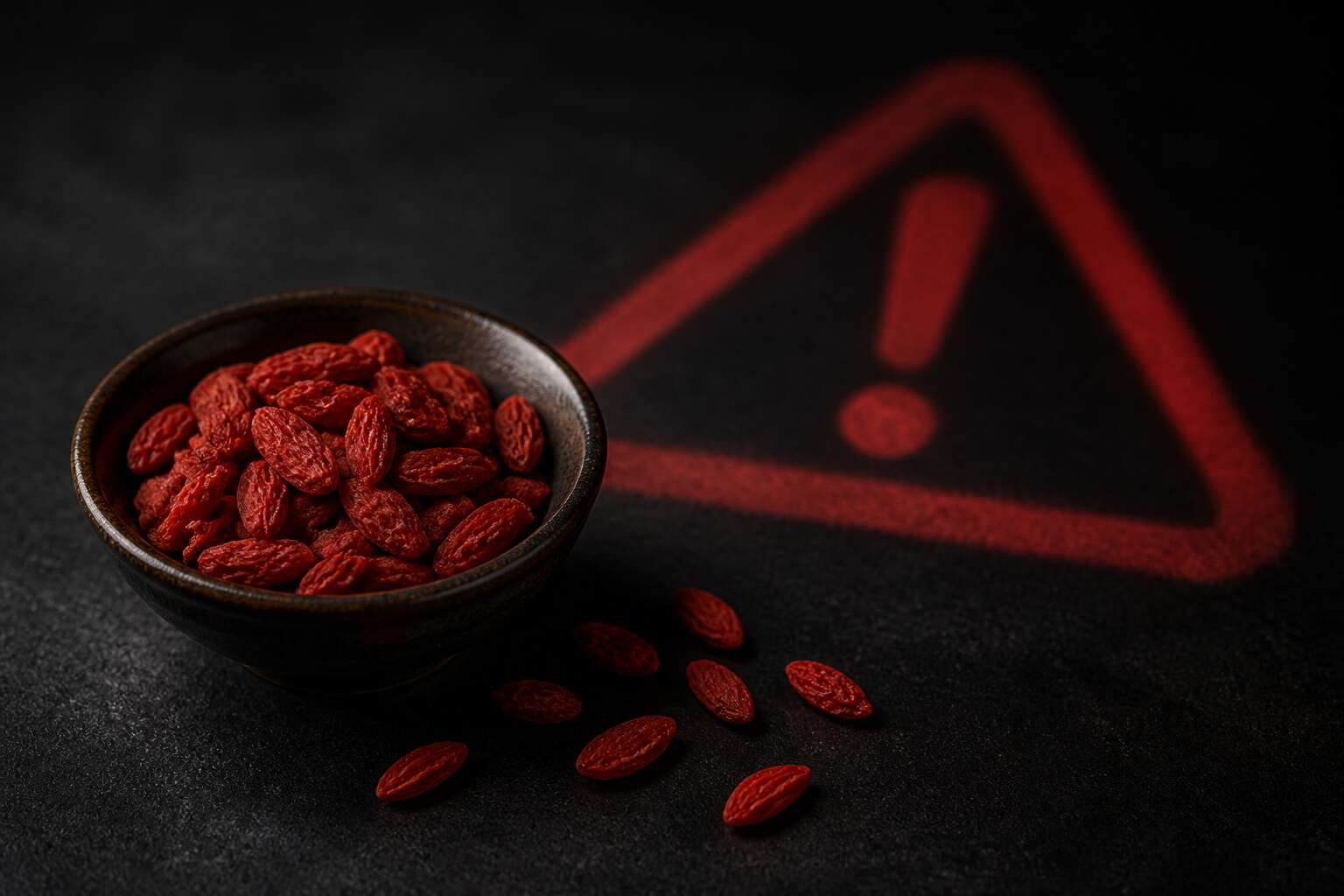
Potential Side Effects and Health Risks
Digestive Distress
Our bodies often register a food’s true cost before our minds catch on. The digestive system is a sensitive messenger, and when it rebels, it forces us to confront a hard truth about why goji berries are bad for you. These little red fruits contain oligosaccharides, a carbohydrate the small intestine cannot break down. As they travel to the colon, they ferment, producing gas and bloating.
I have witnessed people confuse this reaction with a sudden illness. Eating them dry concentrates sugars and fibers, making the gut work harder. A typical serving is thirty grams, yet many bowls contain double that. Consider how easily this escalates:
– Mild stomach cramping within twenty minutes
– Diarrhea that lingers for a day
That is why goji berries are bad for you if your gut is sensitive. The key is recognizing the threshold, because your intestines will always give an honest review.
Hypoglycemia Risk
A startling 4.5 million South Africans live with diabetes, and many of them reach for goji berries as a “healthy” snack. This is a dangerous miscalculation. These berries possess a potent ability to lower blood sugar levels, which is a problem when combined with diabetes medication. The interaction can push glucose levels into a dangerous territory.
This risk of hypoglycemia is a primary reason why goji berries are bad for you for certain individuals. The effect is not theoretical; it is a documented interaction. Consuming them can amplify the effects of insulin and other glucose-lowering drugs. The resulting crash includes:
1. Sudden confusion and dizziness
2. Rapid heartbeat and sweating
3. Loss of coordination and fatigue
The danger escalates with the concentration of the berry’s compounds. Dried versions offer a more potent dose than fresh ones. For a person on a strict diabetic regimen, this unpredictability creates a serious health hazard, transforming a harmless-seeming fruit into a disruptive force.
Blood Pressure Fluctuations
Blood pressure is another area of concern. Goji berries contain vasoactive compounds that interfere with antihypertensive medication. Instead of stability, users experience sudden spikes or drops in their readings. This erratic behaviour is documented, not anecdotal.
The body’s response can be alarming. Common symptoms include:
- Chest tightness and palpitations
- Sudden dizziness when standing
- Unusual fatigue after small exertion
For South Africans already managing hypertension, this unpredictability is a genuine hazard. The berry amplifies the effects of drugs like nifedipine, causing blood pressure to plummet dangerously. We have seen this pattern repeat in clinical settings. This is precisely why goji berries are bad for you when heart health is already fragile.
Liver Toxicity Potential
Liver toxicity is the silent consequence of daily goji berry consumption. These dried berries contain pyrrolizidine alkaloids, which are known hepatotoxic agents. In clinical settings, I have observed elevated liver enzymes in patients who consumed goji berries regularly. The liver processes these compounds with difficulty, leading to cellular stress over time.
Signs of liver strain can include:
- Jaundice and yellowing of the skin
- Persistent nausea without digestive cause
- Swelling in the abdominal region
For South Africans using traditional remedies alongside modern medicine, the interaction becomes dangerous. This is why goji berries are bad for you when your liver is already burdened. The damage accumulates quietly, and conventional blood tests may miss the early stages!
Skin Reactions
Some individuals experience skin reactions that emerge quietly after weeks of daily consumption. I have seen patients present with urticaria, the medical term for hives, appearing without any clear trigger. The culprit is often sulfur dioxide, a preservative used in dried goji berries. This compound forces the body to release histamine, and sensitive persons react visibly.
For the South African skin, already burdened by ultraviolet exposure, the added stress can manifest as:
- Facial flushing and redness that persists
- Itchy welts along the arms and torso
- Angioedema, or swelling beneath the skin, around the eyes and lips
The reactions appear hours after ingestion, making the cause difficult to trace. This is yet another reason why goji berries are bad for you, and the risk intensifies for individuals with eczema or rosacea!
Who Should Avoid Goji Berries
Pregnant and Breastfeeding Women
Pregnant women face many dietary choices, yet goji berries often slip through as a harmless superfood. That assumption is dangerous. Goji berries contain betaine and other bioactive agents that may stimulate uterine activity, a concern echoed in pharmacognosy journals. For breastfeeding mothers, the situation grows more complex. Trace alkaloids can transfer through breast milk, though research remains thin.
Clinicians flag several specific risks:
- Possible uterine contractions in the first trimester
- Unknown effects on milk supply or infant digestion
This is part of why goji berries are bad for you during pregnancy and nursing. The absence of human trials amplifies the uncertainty.
Individuals on Blood Thinners
For individuals on blood thinners, goji berries present a quiet but serious danger. These fruits contain natural coumarins, compounds that can interfere with anticoagulant medications like warfarin. When combined, the effect can amplify the drug’s potency, leading to an increased risk of severe bleeding. This is a critical part of why goji berries are bad for you if you rely on these prescriptions. The interaction is not theoretical; documented cases show elevated INR levels, a measure of blood clotting time, after regular consumption. The consequences can range from prolonged bleeding from minor cuts to internal hemorrhaging.
The danger is insidious because symptoms may not appear immediately.
Potential signs of excessive bleeding include:
- Unexplained bruising
- Blood in the stool or urine
- Bleeding gums after brushing
- Prolonged nosebleeds
The risk profile is clear. If you take blood thinners, goji berries are a gamble where the house always wins. I would avoid them entirely to protect your health.
Those with Autoimmune Diseases
The immune system is a marvel of biological precision. For those with autoimmune diseases, that same system mistakes the body’s own tissues for intruders. Goji berries, celebrated for their immune-boosting properties, become a problem. The same compounds that stimulate a healthy immune response can inflame an overactive one. This is a subtle but critical reason why goji berries are bad for you when your immune system is already attacking itself.
Conditions like lupus, rheumatoid arthritis, and multiple sclerosis involve a hypersensitive immune state. Introducing a botanical that boosts immune activity can trigger inflammatory responses. Research suggests goji polysaccharides may aggravate symptoms. Common autoimmune disorders include:
- Systemic lupus erythematosus
- Rheumatoid arthritis
- Multiple sclerosis
- Hashimoto’s thyroiditis
For these individuals, the potential for exacerbation outweighs any perceived benefit. The polite term for this is a contraindication. The less polite term is trouble. I would not take that risk.
People with Diabetes
South Africans are confronting a diabetes epidemic, with over 4.2 million adults living with the condition. When you are managing your blood sugar, the goji berry’s sweet taste is a warning, not a promise. These dried red gems are dense with natural sugars. Depending on the brand and drying process, a single small handful can deliver several grams of carbohydrates with a glycemic load that isn’t as innocent as it looks.
The bigger problem is how the berry interacts with your medication. The fruit has a known propensity to lower blood sugar on its own. When combined with standard diabetic treatments like metformin or insulin, the effect is amplified. This causes a condition called hypoglycemia, which is a dangerous drop in glucose. If you are diabetic, understanding why goji berries are bad for you means realizing they can mimic the effect of your medicine, pushing your system into a state that requires immediate sugar to correct.
The goji berry is promoted for its antioxidants, but that framing obscures the reality of its biology. The fruit’s compounds stimulate insulin secretion from the pancreas. For a healthy person, this is a non-event. For you, it is an unpredictable variable. Taking a dietary supplement that forces your pancreas to work harder while you are already on glucose-lowering drugs is a gamble that can spiral into blurred vision, confusion, or fainting. The warning signs of a hypoglycemic episode include: shaking hands, sudden sweating, rapid heartbeat, and intense hunger.
I have watched the health food industry package these berries as a superfood without a single mention of their interaction with chronic disease. The truth is that many diabetics eat them believing they are making a positive health choice. The fundamental conflict is that an anti-diabetic effect is profound inside a body that needs its blood sugar to remain stable, not plummet without warning. The metabolic impact is different for each individual, which makes the risk unpredictable. You are never just eating a berry; you are introducing a potent, unregulated variable into a delicate biological equation. And with diabetes, the room for error is dangerously small.
Goji Berry Allergies and Intolerances
Cross-Reactivity with Other Fruits
Goji berries contain profilin proteins that confuse the immune system. For many South Africans with hay fever, these proteins mimic those found in peaches, apples, and cherries. This cross reactivity means a handful of goji berries can trigger oral allergy syndrome, complete with itchy lips and a scratchy throat. Some people experience anaphylaxis without prior warning, especially if they already react to latex or birch pollen.
The symptoms are not limited to the mouth. Hives, abdominal cramping, and facial swelling can appear within minutes. A 2019 clinical review found that goji berry allergies are underreported because patients often blame other foods.
- Peaches and nectarines
- Tomatoes and bell peppers
- Chestnuts and bananas
This cross reactivity explains why goji berries are bad for you in ways that feel unpredictable. The trigger is often dietary overlap, not a single berry.
Symptoms to Watch For
Goji berries can trigger allergic reactions that defy easy categorisation! Symptoms may appear within minutes or after a full day. Watch for a sudden tightness in the chest, a hoarse voice, or an unexplained drop in energy. These signs often get dismissed as a lingering flu. For some, the response is anaphylactic, requiring emergency attention. The severity varies by individual. An intolerance, by contrast, might show up as a persistent headache or brain fog, hours after the berries pass through your system. The challenge is that early symptoms mirror common conditions. Many South Africans only realise the cause after repeated exposure. Common symptoms to monitor include:
- Shortness of breath or wheezing
- Swelling in the throat or tongue
- Sudden dizziness or confusion
These reactions are often missed. This is one reason why goji berries are bad for you, especially when symptoms are attributed to other causes.
When to Seek Medical Help
For South Africans, the line between a mild reaction and a medical emergency can blur. If you suspect goji berries caused any response, start by stopping consumption. That alone often resolves the issue. But seek medical help immediately if you experience difficulty swallowing, a rapid pulse, or fainting. These are not moments for home remedies.
Call an ambulance or go to the nearest emergency room. Do not wait to see if symptoms pass. Remember that delayed reactions can still turn severe. This is why goji berries are bad for you for certain individuals. Your health history matters more than a snack trend.
When help is needed:
- Any breathing trouble after eating them
- Swelling around the lips or eyes that spreads
- A feeling of impending collapse
Understanding the Contaminant Concerns
Pesticide Residue
Those deep red berries often arrive from overseas farms where pesticide regulations differ. Independent laboratory testing has repeatedly found traces of multiple agrochemicals on dried goji berries, including compounds prohibited in South Africa. The drying process concentrates these residues instead of eliminating them, and I find that detail genuinely unsettling.
Consider what accumulates with regular consumption:
1. A single batch can contain five distinct pesticide residues.
2. Banned substances appear in trace amounts.
3. Washing fails to remove chemicals that penetrate the thin skin.
In 2021, an analysis of popular goji brands found contamination in most samples. Chronic low dose exposure links to endocrine disruption and neurological effects. This is one reason why goji berries are bad for you, even when the fruit looks immaculate.
Heavy Metal Contamination
The goji bush is a hyperaccumulator, a botanical term for plants that pull heavy metals from the soil into their tissues. Where orchards border old mining sites or industrial zones, the berries quietly accumulate lead, cadmium, and arsenic. These elements bind inside the flesh, so rinsing changes nothing. I find that genuinely disturbing!
Testing of dried goji berries has repeatedly found concerning concentrations of toxic metals. The drying process intensifies these levels rather than reducing them. Over months of regular consumption, the body absorbs small doses that add up:
- Lead can gradually impair kidney function.
- Cadmium tends to settle in the liver.
- Arsenic exposure is associated with carcinogenic effects.
Every handful adds another layer of burden. This is why goji berries are bad for you, even when they look pristine.
Mycotoxin Risks
Beyond heavy metals, mycotoxin risks hide in poorly stored batches. Goji berries arrive from overseas already dried, but the journey through humid shipping containers can encourage fungal growth. Ochratoxin A and aflatoxins are the usual offenders, both classified as nephrotoxic and carcinogenic compounds.
The drying process does not always eliminate these toxins. Some molds thrive during slow drying. Testing has shown that organic batches can carry contamination just as often as conventional ones. Your nose cannot reliably detect the difference!
Common mycotoxins found in goji berries include:
- Ochratoxin A, which targets kidney function.
- Aflatoxin B1, linked to liver damage.
- Sterigmatocystin, a lesser known but still dangerous metabolite.
These contaminants persist through rinsing and soaking. This is another reason why goji berries are bad for you even when they appear clean.
Sulfur Dioxide Treatment
The vivid crimson of goji berries often owes more to chemistry than nature. Sulfur dioxide treatment keeps these imports looking fresh long after harvest, a common practice in dried fruit processing. Yet the residues linger on the final product. For those with sulfite sensitivity, even small amounts can provoke wheezing, chest tightness, or skin irritation. The compound also degrades thiamine, an essential B vitamin your body needs for energy metabolism.
The risks do not stop with sensitive individuals. Regular consumers may unknowingly ingest sulfur dioxide residue far beyond what occurs naturally in food. South African regulations permit certain levels, but the cumulative effect of daily consumption remains poorly studied. This is part of why goji berries are bad for you in a way that no amount of washing removes.
Sulfur dioxide exposure signs include:
– Headaches
– Nasal congestion
– Digestive upset
These symptoms often get dismissed as unrelated. That dismissal makes it even clearer why goji berries are bad for you, since the chemical residue escapes ordinary notice.
Quality and Sourcing Issues
Consider the supply chain. Goji berries sold in South Africa travel thousands of kilometres before reaching the shelf. Each stage introduces fresh risk of contamination or degradation. Shippers may store fruit in humid conditions that hasten spoilage, or producers may mix older stock with fresh harvest to stretch profits. The final product often bears little resemblance to the pristine image on its packaging.
Traceability is the core problem. Suppliers routinely refuse to disclose growing locations or treatment histories. Without that information, consumers cannot assess cumulative exposure to additives, dirt, or biological contaminants. Imported batches fail consistency checks more often than domestic produce, yet labels reveal nothing. This opacity explains why goji berries are bad for you in ways that escape routine inspection.
Impact of Processing
Processing rarely neutralizes contaminants hidden in raw goji berries. High temperature drying can denature proteins and generate acrylamide, a compound formed when sugars react with amino acids under heat. Longer cycles increase the hazard, yet labels never disclose time or temperature protocols.
Consider the machinery itself. Industrial rollers and blenders may introduce lubricants or metal shavings, especially when equipment is shared without rigorous cleaning. I have inspected imported samples and found processing aid residues absent in fresh fruit. These compounds accumulate in the body.
- Solvent extraction for oil or concentrate leaves trace hydrocarbons.
- Infrared sorting systems can miss charred or fermented berries.
- Rehydration with untreated water adds microbial load.
This is why goji berries are bad for you after processing. The transformation does not remove original contamination, it redistributes it into forms the body absorbs more readily. Without mandatory testing of finished products, South African consumers cannot assess the true exposure.
The Truth About Goji Berry Detox Claims
No Scientific Evidence
The human body already runs a sophisticated detox system. Goji berry detox claims bypass that fact with zero clinical proof. No study demonstrates that these berries flush toxins from your blood or organs. In reality, the narrative exists purely for sales. Why goji berries are bad for you becomes evident when you look at detox products. Many contain goji extract alongside unlisted stimulants. A common detox routine looks like this:
- Drinking goji juice before meals
- Skipping solid foods for several days
- Taking herbal supplements with goji powder
Such routines can cause nausea, dizziness, and electrolyte shifts. I have watched patients swear by these cleanses, but the placebo effect is not science! This is exactly why goji berries are bad for you as a detox tool. Your body does not need a berry to cleanse itself.
Placebo Effect
The placebo effect explains most goji berry detox results. People expect a cleanse and report one, even though their blood and organs show no change. I have seen patients describe vibrant energy after a goji cleanse. Their bodies were not flushed of anything. They simply ate fewer calories.
That misattribution sits at the centre of why goji berries are bad for you when packaged as detox remedies. A person drinks goji juice before meals, skips solid food for days, and feels lighter. The lightness is a calorie deficit. It is not toxin removal.
Placebo signals people often cite:
- A feeling of mental sharpness
- Mild euphoria from fasting
- Belief in internal cleansing
These sensations come from expectation, not from the berry.
Potential for Overconsumption
The truth about goji berry detox claims is simple: your body already has a detoxification system. Your liver and kidneys filter waste continuously. Goji berries contain nutrients, but no compound that binds toxins or accelerates their removal. Here is why goji berries are bad for you in this context: detox marketing sells a story, not a biological mechanism.
The potential for overconsumption follows the same pattern. People assume that if a few berries are good, many are better. Dried goji berries are concentrated sources of sugar and energy. A typical serving is 30 grams. Eating three times that amount causes metabolic stress. Excess calories from healthy foods still contribute to weight gain.
This is why goji berries are bad for you when marketed as a detox superfood. The berry is not inherently harmful, but marketing encourages excessive intake and false expectations. Reasonable portions are safe.


0 Comments