Why Choose Organic Goji Berries for Everyday Wellness
Comparing Organic and Conventional Dried Goji Berries
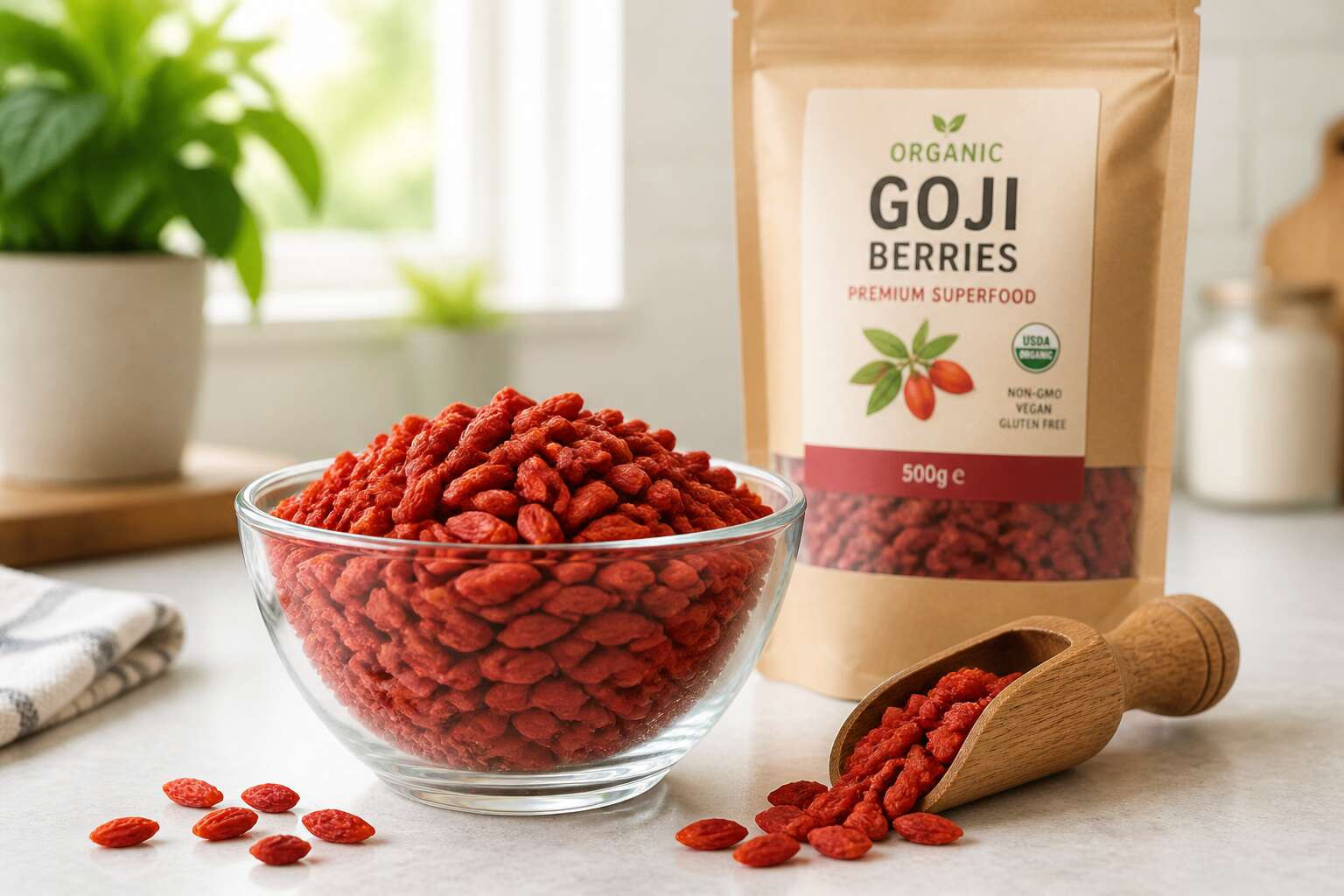
Choosing organic goji berries 500g for everyday wellness means prioritising purity without sacrificing convenience. These small red fruits, grown without synthetic pesticides, retain higher levels of antioxidants like zeaxanthin. I notice a tangible difference in my morning routine when I add them to porridge or smoothies. The texture stays chewy, the flavour remains pleasantly tart.
Comparing organic and conventional dried goji berries reveals key differences in cultivation and residue. Conventional versions often undergo sulphur treatment to preserve colour, while organic options rely on natural drying processes. That distinction matters for long term consumption. Here is a simple breakdown:
- Organic berries support soil health and biodiversity
- Conventional berries may carry trace chemical residues
- Organic goji berries 500g offers a cleaner snack choice
My preference is clear, especially when I consider the cumulative effects on my family’s wellbeing.
Key Nutrients Found in a Daily Serving
A 500g pouch of organic goji berries 500g transforms a simple handful into a daily ritual of nourishment. Each serving delivers a potent concentration of nutrients that support energy, immunity, and long term vitality. The berries themselves burst with natural sweetness and a subtle tang, making them an effortless addition to breakfast bowls or evening snacks. They offer a practical way to enrich your diet without complicated preparation or artificial additives.
The nutrient profile is remarkably dense for such a small fruit. Consider what a modest daily portion provides:
– Zeaxanthin, which supports eye health and visual acuity
– Vitamin C, essential for immune function and collagen production
– Iron, a key component for oxygen transport and reduced fatigue
– Dietary fibre, promoting digestive regularity and satiety
– Polysaccharides, linked to balanced cellular energy
These components work together through natural synergy. A handful added to your oats or blended into a smoothie introduces a spectrum of phytonutrients absent from many processed foods. The convenience of having organic goji berries 500g on hand means that hitting your nutrition targets becomes less about rigid planning and more about simple addition. I find that the trace minerals, particularly zinc and selenium, add a layer of support that feels quiet but consistent. Their chewy texture means you might even catch yourself snacking on them straight from the jar, which is never a bad thing.
Understanding the Advantage of a 500g Bulk Package
A single pouch of organic goji berries 500g outlasts most fleeting health kicks. That staying power is the whole point. Wellness is not a dramatic event; it is the repetition of good choices. A bulk package removes the friction of frequent repurchasing and lowers the cost per serving, which matters when you eat them daily.
The organic label here means the fruit is grown without chemical shortcuts. For households in South Africa, that assurance is worth the premium. You know exactly what you are introducing to your body.
What a 500g package offers in practice:
- Fewer shopping cycles, which keeps the habit sustainable
- A stable supply for smoothies, trail mixes, and baking
- Lower environmental footprint through reduced packaging
You buy once, and the berries become a regular part of your mornings. The chewy texture and gentle tartness earn their place without demanding attention. That is the real advantage: organic goji berries 500g let wellness settle into your life.
Lifestyle Groups That Benefit Most from Regular Consumption
Wellness routines fail not from lack of intention but from poor alignment with daily realities. Organic goji berries 500g offer a dependable option for those whose schedules leave little room for elaborate preparation. We see this repeatedly in the people who sustain a habit for years rather than weeks.
Certain lifestyles extract disproportionate value from regular consumption:
- Shift workers and frequent travellers, whose erratic schedules disrupt conventional meal timing
- Endurance athletes seeking a portable, shelf-stable addition to training nutrition
- Parents managing household nutrition while balancing competing demands
Each group shares a common constraint: time scarcity. The berries require no refrigeration, no cooking, no cleanup. A handful consumed between meetings or after a late shift becomes a deliberate choice that requires no ceremony. For people who spend their days responding to external demands, the act of eating something unprocessed restores a sense of agency. That psychological return matters as much as the nutritional input.
Nutritional Highlights and Health Benefits of the Superfruit
Antioxidant Profile: Zeaxanthin, Polysaccharides, and Vitamin C
One 500g pouch holds an extraordinary concentration of antioxidants, yet the story of these tiny red jewels begins at the cellular level. Zeaxanthin, a carotenoid found in abundance in organic goji berries 500g, settles within the macular tissue of the eye, acting as a natural filter against high-energy light. This protective pigment is not manufactured by the body, making dietary sources paramount for maintaining visual acuity as the years advance.
The polysaccharides in goji berries present another layer of wellness, supporting immune function through their modulation of gut-associated lymphoid tissue. These complex carbohydrates work quietly, helping to balance the body’s inflammatory response and defend cellular membranes from oxidative stress. Vitamin C completes this trifecta of health, offering its own well documented support to collagen synthesis and immune vigilance. When you purchase organic goji berries 500g, you secure a rich daily source of this essential nutrient.
Your immune system benefits from consistent intake:
– Improved macrophage activity from polysaccharides
– Enhanced antioxidant defense through zeaxanthin
– Greater tissue repair facilitated by vitamin C
Together, these compounds form a synergistic shield, one that works best when consumed regularly. A single handful delivers more than just taste; it offers a deliberate, biological investment in long term resilience.
Supporting Immune Function with Natural Phytonutrients
A serving of organic goji berries 500g supplies a concentrated profile of phytonutrients, including phenolic acids and rutin. These compounds interact with immune receptors in the digestive tract, prompting a measured release of cytokines, the signalling proteins that coordinate your body’s defence network. That subtle activation is what separates food-based nourishment from isolated extracts.
Mucosal immunity benefits most from regular intake. The superfruit supports the integrity of barrier tissues in the nasal passages and lungs, where most pathogens first attempt entry. The natural fibres in organic goji berries 500g also serve as fuel for beneficial gut bacteria, and those microbes directly influence systemic immune responses.
- Phytonutrients lower oxidative stress on white blood cells.
- Flavonoids improve the movement of immune messengers through the bloodstream.
- Beta carotene assists in maintaining healthy mucosal surfaces.
This coordination makes each handful a practical defence during South African winters, when respiratory challenges peak and your body demands resilient support.
Protecting Eye Health and Macular Density
The human retina is one of the most metabolically active tissues in the body, requiring a constant flow of nutrients to maintain precision vision. This is where the humble goji berry reveals its quiet sophistication. Unlike many fruits that simply provide general antioxidant support, organic goji berries 500g deliver a targeted concentration of zeaxanthin, a carotenoid that localises specifically in the macula. This central region of the retina acts as your natural polarised lens, filtering high-energy blue light that slowly degrades photoreceptor cells over decades.
The structural benefit here is worth noting. Zeaxanthin does not merely float in the bloodstream; it accumulates in the retinal tissue itself, forming a dense, yellow protective film. That film shields the macula from oxidative stress, particularly for those who spend long hours under South Africa’s intense UV index. Over time, this accumulation supports the integrity of the fovea, the tiny depression responsible for sharp, central vision.
- Lutein works alongside zeaxanthin to absorb incoming light radiation.
- The fat in your daily diet helps transport these carotenoids across the intestinal wall.
- Consistent intake, not occasional binges, is what builds measurable macular pigment density.
Each 30g handful from your organic goji berries 500g storage provides a meaningful contribution to this pigment, a fact that sets it apart from supplements which often fail to guarantee tissue-level delivery. For those already noticing slight visual fatigue from screen exposure or squinting during evening drives, this phytonutrient profile quietly works to maintain the structural density of the macula.
Boosting Energy Levels and Post-Exercise Recovery
After a brutal climb up Table Mountain, the last thing your legs want is a sugary sports drink. They want nutrients that restore what the effort stripped away. Organic goji berries 500g deliver a targeted combination of polysaccharides and iron, two allies for anyone serious about endurance and post-exercise recovery.
The iron content matters more than most realise. It supports haemoglobin production, which directly influences how much oxygen reaches working muscles. Meanwhile, the berry’s natural sugars offer a quick yet sustained energy release, avoiding the insulin spike of processed snacks.
- Polysaccharides help regulate immune response after hard training.
- Iron aids red blood cell turnover for better stamina.
- Vitamin C accelerates tissue repair without inflammation.
Incorporating a handful into your post-workout meal is a practical habit. The dried fruit retains its nutrient density, making it a reliable addition to a gym bag or desk drawer.
Potential Effects on Skin Elasticity and Premature Aging
The rate at which skin loses elasticity is not fixed by genetics alone. It responds to the compounds you feed it. Organic goji berries 500g carry a dense supply of carotenoids and polysaccharides that defend collagen fibres from oxidative stress. These nutrients work quietly, preserving the spring in your skin before fine lines have a chance to settle.
One serving supports the skin’s natural renewal cycle. The berry’s vitamin C content assists in collagen synthesis, while zeaxanthin shields skin cells from the daily assault of UV exposure. Premature aging often begins with inflammation, and the phytonutrients in these berries help keep that internal fire low.
Key actions for skin health:
– Strengthening the extracellular matrix
– Reducing the appearance of sagging
– Neutralising free radicals in dermal tissue
For South Africans facing intense sun, this protective layer matters. A handful each day is a simple, unglamorous act of long-term maintenance.
How to Select and Store Your Bulk Dried Berries Purchase
Reading Labels for Certified Organic and Pesticide-Free Claims
Nearly 40% of dried berry packages mislabel their origin, so your eyes need to work harder than your taste buds. When buying in bulk, the label is your first line of defence. Look for the certification mark. In South Africa, organic certification follows strict standards. Pesticide-free claims are weaker, so verify the certifying body.
Once you have your organic goji berries 500g, store them in an airtight container. Keep them away from sunlight and heat. A cool pantry works well. Refrigeration extends freshness but let them reach room temperature before sealing to avoid condensation.
To assess label integrity:
- Check for a certification number
- Look for the word “certified” rather than “natural”
- Research the brand if unfamiliar
Your organic goji berries 500g deserve better than a dusty shelf, and your stomach will thank you for the extra minute spent reading.
Dried Versus Fresh: Which Format Offers Better Convenience
The average dried berry loses up to 40% of its vitamin C content within the first year of storage. This single fact should dictate how you approach your bulk purchase. When you buy organic goji berries 500g, you are committing to a product that outlasts its fresh counterpart by months, so the choice between formats becomes a question of lifestyle rather than nutrition.
Dried berries offer unrivaled convenience for the South African pantry. Fresh goji berries require immediate consumption and refrigeration, and they spoil within days. The dried format eliminates this pressure completely. You can toss a handful into your morning oats, trail mix, or baking without worrying about waste.
For those who prefer structure in their kitchen routines, consider these benefits of the dried format:
– No peeling or washing required before snacking
– Consistent flavour intensity year-round
– Reduced weight for storage and transport
– Longer shelf life without chemical preservatives
The organic goji berries 500g pack suits households that value spontaneity. Fresh berries demand planning, trips to specialty stores, and immediate consumption. Dried berries sit patiently in your cupboard, waiting for a midweek energy slump or an impromptu smoothie session. The bulk size ensures you always have a supply, though the real test lies in proper sealing.
Optimal Storage Conditions to Preserve Flavor and Nutrition
Selecting a bulk pack demands scrutiny beyond the label. When I inspect organic goji berries 500g, I run my fingers through the fruit. They should feel dry, almost brittle, never tacky or clumped. Adhesion signals moisture intrusion, which accelerates degradation of polysaccharides and carotenoids.
Storage conditions determine whether that precious antioxidant profile survives the months ahead. Temperature and light are the primary adversaries. Keep the berries in an airtight glass jar, preferably amber, inside a dark cupboard. Avoid refrigeration; condensation invites mold.
- Store away from direct sunlight
- Use a desiccant packet to absorb residual humidity
- Seal immediately after each handful
This approach preserves the nutritional integrity of your organic goji berries 500g purchase. The effort is minimal, yet the payoff is a pantry item that remains vibrant and potent for months. Treat the storage ritual with the same gravity as the sourcing itself.
Shelf Life Expectations for an Opened 500g Pouch
One in three households tosses dried berries because they misjudge shelf life. That stings when you’ve invested in organic goji berries 500g. Selection starts with your fingers. The berries should feel dry and brittle, not tacky. A sticky pouch means moisture intruded, and that shortens your available time.
Once opened, that pouch holds its peak for roughly six months. After that, the taste turns dull and the antioxidant potency fades gradually.
- 6 months: optimal flavor and nutrients
- 9 months: edible but lackluster
- 12 months: safe but largely spent
Your snack planning should match that timeline.
Common Signs of Spoilage or Contamination to Inspect
Pity the shopper who trusts a glossy label over their own fingertips. When purchasing organic goji berries 500g, the tactile scrutiny begins before the till. You are evaluating a product that has travelled thousands of kilometres to reach a Johannesburg shelf. The journey involves freight, heat, and the occasional impatient forklift driver. A pouch that feels uniformly soft, that yields like a sponge, suggests the fruit has absorbed ambient moisture. That moisture is the beginning of the end. The berries inside a fine bulk purchase should rattle with a certain independence, each one a crisp, chewy jewel.
The most reliable indicator of quality is the sound and snap of a single berry. Place one on the counter and press with a fingernail. A fresh batch cracks cleanly. An older batch bends with a leathery resistance. If the label promises organic goji berries 500g, the physical evidence should match the price tag. Moisture is the enemy of the antioxidants you are paying for, and the texture will betray any prolonged exposure to humidity long before the taste does.
Before you commit to a bulk pouch, perform a swift inspection for common contaminants:
- Signs of clumping, which indicates condensation has occurred inside the packaging.
- The presence of small webbing or silk threads, a subtle signature of pantry moths.
- Any dark, shrivelled berries that exhibit a sticky or glossy surface, distinct from the natural dull sheen.
- The faintest whiff of ferment or vinegar, which signals the onset of decay.
These checks protect your investment. A 500g bag represents weeks of snacks, and the pleasure of those snacks depends entirely on the integrity of what is inside. Ignore the stock image on the front pouch. The real story is in the crunch.
Creative Culinary Uses for a Generous 500g Supply
Rehydration Techniques for Baking and Cooking
A single pouch of organic goji berries 500g holds enough for months of kitchen tinkering. Rehydrating transforms their leathery texture into something plump and juicy. Soak them in warm rooibos tea or apple juice for thirty minutes, then keep that infused liquid for glazes or bread dough.
For baking, a ten minute soak in boiling water suffices. For savoury cooking, a longer steep in stock or coconut milk works better. They fold well into scone dough, rice pilaf, or chutneys.
- Pureed with garlic and ginger, they form a sticky meat glaze.
- Chopped, they add texture to savoury muffins.
- Simmered with lentils and spices, they contribute a sweet-sour note.
The soaking liquid carries colour and nutrients into sauces. A 500g supply leaves room for weekly experimentation.
Incorporating into Smoothies, Teas, and Overnight Oats
Research on the carotenoid content of wolfberries suggests that the benefits of these fruits are best accessed through regular, small additions to your daily routine. A generous 500g pouch allows for that consistent use, moving beyond occasional baking projects to integrate the fruit into your morning ritual. The texture of dried goji berries changes pleasantly when they absorb liquid, becoming tender and slightly chewy.
For a morning smoothie, a quarter cup of organic goji berries 500g adds a subtle sweetness and a unique texture. Instead of blending them into a uniform puree, pulse the mixture briefly to leave small pieces intact. This approach offers a contrast between the creamy base and the fruit. You can also add them directly to a pot of rooibos tea, allowing them to steep gently. The berries will soften, and the tea will take on a faintly sweet, earthy note. Drinking the berries with the final sips of tea is a simple way to consume them.
Overnight oats present another opportunity for experimentation. The berries will hydrate slowly in the liquid, releasing their flavour and a bit of colour into the mixture. For a more pronounced effect, chop them before adding to the oats.
– Use a base of plain yoghurt or kefir for a tangy contrast.
– Combine with a small amount of orange zest and a pinch of cinnamon.
– Add crushed pumpkin seeds for a textural counterpoint.
The slow hydration process keeps the berries from becoming mush, preserving a pleasant bite. The sheer volume of a bulk order ensures you have enough to treat this fruit as a pantry staple, ready for a handful in a lunchbox or a sprinkle over a salad. The ritual of preparation becomes part of the benefit, reinforcing consistency without requiring elaborate recipes.
Traditional Asian Soups and Herbal Concoctions
In many Chinese households, the goji berry is not a novelty but a foundational ingredient, a daily tonic added to broths as routinely as salt. The slow simmer of a chicken or pork bone broth transforms the texture and flavour of the fruit, releasing its earthy sweetness into the liquid. A handful of organic goji berries 500g added thirty minutes before the end of cooking will plump up and contribute a subtle, complex layer to the stock, a depth that seems to anchor the other flavours.
The fruit also performs well in herbal concoctions designed for specific purposes. A common home remedy combines them with dried longan and red dates for a warming tea meant to soothe and restore. The process is simple, though the result feels substantial.
– Rinse the berries and other dried ingredients briefly.
– Simmer them in water for fifteen to twenty minutes.
– Strain, or leave the solids in for a more rustic drink.
The liquid takes on a golden hue, and the sweetness arrives without any sharpness. Using a bulk supply for these preparations is practical, as the recipe does not call for a few berries but for a generous portion. In this context, a 500g pouch is not excessive; it is the appropriate measure for a household or for someone who intentionally builds their meals around such traditions. The berries rehydrate to a silky interior while the skin retains a slight resistance, a textural interplay that makes the last mouthfuls of the soup an event in themselves. My own approach involves adding them to a simple miso broth, a fusion that respects the berry’s character while acknowledging my own palate. The ritual is quiet, the result is nourishing, and the consistency is what matters.
Snacking Directly and Mixing into Trail Blends
I keep a bowl of organic goji berries 500g on my counter, not for recipes but for the raw chew. The dried fruit offers a tangy pop that rivals raisins, and the texture stays firm enough to satisfy a mid-morning craving. My first handful converted me. Now I snack on them straight, though I often pair them with almonds for a salty contrast.
- Pumpkin seeds and dark chocolate chips
- Roasted cashews and flaked coconut
- Sunflower seeds and a whisper of cinnamon
For trail blends, the berries offer a sweet base. I toss a generous scoop into a jar with nuts and seeds, then grab a handful before hiking Lion’s Head. The bulk size of my organic goji berries 500g means I never ration them. That freedom transforms a simple snack into a daily ritual.
Portion Control and Recommended Daily Intake
With a 500g pouch, your culinary canvas expands far beyond simple snacking. A handful of organic goji berries 500g can be transformed into a vibrant sauce for roasted vegetables or a tangy glaze for poultry. I find that simmering them in warm water for ten minutes releases their natural sweetness, creating a syrup that elevates a simple yoghurt or porridge. This rehydration also softens their texture, making them ideal for folding into muffin batter or swirling through a quick bread.
The bulk size offers room for experimentation, which is where portion control becomes key. I keep a separate, smaller jar on the counter for daily use. This simple act prevents overconsumption and keeps the main supply sealed and fresh.
– Start with a single tablespoon (about 10 grams) to gauge your palate.
– Add a second serving only if your meal or snack calls for more sweetness.
– Reserve the remaining supply for culinary experiments, not casual grazing.
For most adults, a recommended daily intake of 20 to 30 grams of organic goji berries 500g is sufficient to deliver their nutritional benefits without excess sugar. This translates to roughly two to three heaped tablespoons. I measure this amount once in the morning and use it as my budget for the day. It might find its way into a lunch salad, or it might be scattered over an evening dessert, but the limit stays constant. This approach turns a giant bag into a disciplined, daily pleasure.
Sweet and Savory Recipe Pairings to Try at Home
Cooking with a generous pouch of organic goji berries 500g transforms the kitchen routine. The sheer volume invites a spirit of adventure that a small sachet simply cannot support. I have found myself reaching for these crimson gems not as a sweet treat, but as a quiet, savory accomplice in the braising pot. They lend a gentle acidity that cuts through rich meats and earthy root vegetables with remarkable grace.
Their texture, once chewy and tenacious, becomes plump and tender after a brief soak. This quality makes them a fascinating substitute for sultanas in a robust chutney. Consider these pairings for your Sunday table:
- Whisk rehydrated berries with olive oil, Dijon mustard, and a whisper of honey for a roasted beetroot dressing.
- Fold them into a spiced lamb mince mixture for koftas, where their sweetness counters the cumin.
- Stir them into the final minutes of a butternut and coconut milk curry to add a surprising pop of color.
Having a bulk supply on hand means the pantry never lacks a conversation starter. The sheer convenience of a 500g bulk package encourages me to degrade the conventional wisdom that these berries belong only in a smoothie. Instead, they become a secret weapon in the Sunday potjie or a sharp counterpoint to a creamy risotto. The key is to treat them as a dried fruit with culinary ambition, not just a health supplement. This mindset turns a simple ingredient into the highlight of a slow, deliberate meal.
Sourcing, Pricing, and Sustainability of Bulk Organic Superfoods
Where to Buy Authentic Organic Goji Berries at a Fair Price
Every harvest season, South African consumers face a familiar dilemma. Cheap goji berry imports flood online stores and health shops, while premium grades sit at triple the price. Authentic organic goji berries 500g pouches need traceable farms, verified soil health, and fairly paid harvest crews.
Sourcing matters. The most reliable suppliers work directly with smallholder farms in Ningxia, the region famous for these berries. I look for importers who test for pesticides, heavy metals, and sulphur residues. Certification is a promise supported by an audit trail from field to warehouse.
Fair pricing sits between bargain bin and boutique. It reflects real costs: lower yields, hand harvesting, careful drying. Ask what your rand covers:
- Third party soil and residue testing
- Fair wages for harvest crews
- Cold chain storage from farm to port
Sustainability means supporting growers who rotate crops and protect water sources. Choose organic goji berries 500g from a trusted importer and you are paying for quality, plus the farms’ future.
Cost Comparison: 500g Package Versus Smaller Sizes
Bulk purchasing often feels like an economic sleight of hand. Yet when comparing the cost per gram across package sizes, the 500g format consistently delivers the lowest price point. Smaller 80g packets carry a premium for convenience, doubling the price per serving compared to bulk. For regular consumers, the arithmetic is simple. An 80g pack costs around R95, but the 500g pouch runs between R450 and R550. That is a 30% saving over four small packs, without sacrificing quality.
The pricing difference reflects more than packaging expenses. Smaller batches require more frequent shipping, handling, and repacking. Bulk organic goji berries 500g pouches move directly from the importer’s warehouse to your pantry, cutting out retails margins. This purchasing method supports direct trade relationships with Ningxia farms. Long-term buyers also benefit from consistent supply.
Sustainability aligns with this buying pattern. Fewer individual packets mean less plastic waste and lower transport emissions per kilogram. You support growers who invest in soil health and water conservation. From a purely financial perspective, the 500g package wins.
Importance of Fair Trade and Ethical Farming Practices
The health food industry loves a euphemism. “Ethically sourced” often translates to a marketing team in Cape Town ticking a box while a farm manager in the Gobi desert wonders if anyone will pay for water. There is a difference between paying a premium and paying the price. For a 500g pouch, the price tag should reflect the labour, the soil, and the journey.
The bulk of the world’s organic goji berries 500g supply originates from Ningxia, China. A region that survives on controlled irrigation. Fair trade agreements here are not about corporate social responsibility. They are about guaranteeing that the drying facilities use clean energy, that the pickers receive a living wage, and that the soil receives compost, not chemical cocktails. When you buy a generic import, you support an opaque supply chain.
– Farmers receive a fixed price per kilo, regardless of market demand.
– Irrigation water is tested and recycled to prevent salination.
– Crop rotation includes nitrogen-fixing legumes to reduce synthetic fertilizers.
Sustainability in this context is a logistics equation. A 500g pouch represents a lower carbon footprint per serving than plastic tubs. But the ethical component is the true measure. If the grower cannot afford to rotate their crops, they will strip the soil. The soil fails, the crop fails, and your pantry loses a staple. The pricing on a bulk organic package does not just cover the berry. It covers the future viability of the crop itself. That is the trade you are actually making when you choose a large format pouch over smaller, quicker options.
Environmental Footprint of Large-Scale Goji Berry Cultivation
The true cost of organic goji berries 500g never appears on the shelf price. It hides in the aquifer beneath Ningxia, where ancient irrigation channels now run dry for months at a time. The visible expense is the berries. The hidden expense is water sovereignty for an entire region. A single kilogram of dried goji berries requires roughly 3,800 litres of water to reach that state. This is the environmental ledger that bulk purchasing often ignores.
Sourcing decisions act as de facto water policy. When a buyer in Johannesburg selects a generic import, they support farms that pull groundwater without restriction. When they choose a certified organic grower, they fund a different model. These farms measure their success in soil moisture retention, not just yield per hectare. The difference between these two choices is the difference between a monoculture that drains the land and a diversified farm that banks water in the soil.
– Organic farms in Ningxia use drip irrigation, which cuts water usage by 60% compared to flood methods.
– They plant windbreaks and shade crops to reduce evaporation on hot afternoons.
– Fallow fields are mulched with crop residue to slow runoff and rebuild organic matter.
The pricing structure for organic goji berries 500g reflects these investments. Fair trade agreements in this region are not symbolic gestures. They set a fixed price per kilo that allows farmers to pay for clean drying facilities and responsible soil amendments. The alternative is cheaper produce that requires higher water inputs and chemical fertilizers to compensate for depleted ground. That cost deferral shows up in the sandstorms that now reach Beijing, the salinated fields abandoned after just three growing seasons, and the displaced farming communities.
Sustainability here is a logistics equation with a human denominator. A 500g pouch represents a lower carbon footprint per serving than plastic tubs that ship more air than product. The actual footprint of the crop itself depends on soil health. Healthy soil with high organic carbon content acts as a sponge, holding rainfall and reducing the need for irrigation. Degraded soil repels water and forces farmers to pump more groundwater. Bulk organic packaging matters because it secures a longer contract with the grower. That contract enables the five year crop rotation cycles necessary to restore soil structure. Every pouch therefore finances the future viability of the crop, not just the current harvest.
Evaluating Online Retailers, Reviews, and Quality Seals
A 500g pouch crossing the Atlantic carries a provenance that Johannesburg shoppers rarely probe. Certified organic seals on bulk superfoods mean little if the farm itself lacks traceable water records. In Ningxia, buyers now request satellite moisture data before signing contracts, a verification step that separates authentic growers from those merely printing a leaf logo.
Bulk pricing conceals freight nuances. An organic goji berries 500g package from a cooperative costs more per kilo than a supermarket import, but that margin covers third-party lab testing for heavy metals and mycotoxins, which flood the market with alarming frequency. Online reviews frequently praise texture while ignoring the absence of a batch number, a critical omission.
Quality seals demand scrutiny:
– USDA Organic certification requires annual soil audits
– Fair for Life adds worker housing inspections
– EU Organic mandates residue testing every harvest
Sustainable sourcing ultimately hinges on vessel economics, not field yields. Air-freighted berries arrive fresher but carry a carbon load that negates agricultural gains. Sea freight contracts, however, lock in prices for six months, allowing farmers to plan crop rotations. South African buyers comparing prices should weigh that shipping mode against shelf stability, because a cheaper pouch often masks a colder supply chain.


0 Comments