Health Benefits of Goji Berries
Nutritional Profile
A single ounce of dried goji berries provides more than 100% of the daily value for vitamin A. That figure alone explains their reputation as a nutrient dense food. The same serving contains 4 grams of protein and 8 grams of fibre, along with zeaxanthin for eye health and trace minerals like zinc and selenium. These components support immune function and help counter oxidative stress.
The health benefits also reach blood sugar regulation and digestion. Goji berry polysaccharides act as prebiotics, feeding beneficial gut bacteria. As goji berries Shoprite shelves have become a common sight, more South Africans are adding them to muesli, yoghurt, or trail mix. The dried fruit keeps well and needs no preparation.
Their nutrient profile includes:
- Vitamin C content comparable to fresh oranges by weight
- Lycopene and beta carotene for antioxidant coverage
- A low glycaemic index for steady energy release
For a practical nutritional boost, the goji berries Shoprite range offers a straightforward option.
Antioxidant Properties
The humble goji berry has become something of a quiet powerhouse in the global wellness conversation, and its presence on goji berries Shoprite shelves makes that power accessible to everyone. When we talk about antioxidants, we are talking about cellular defence. These small red gems are packed with carotenoids, including zeaxanthin and lutein, which are particularly adept at neutralizing the free radicals generated by urban living, stress, and even sunlight.
This action is not merely theoretical. It translates into tangible support for skin elasticity and the long-term health of your vision. The specific polysaccharides found in the goji berry are also known to stimulate the production of superoxide dismutase, an enzyme that serves as one of your body’s primary internal cleansers. For those navigating the demands of a bustling South African lifestyle, this support is beneficial.
Here is how the antioxidant profile delivers in practical terms:
– Helps protect skin cells from premature ageing caused by UV exposure.
– Supports the maintenance of sharp, clear vision.
– Contributes to the management of systemic inflammation.
– Aids in the body’s natural recovery process after exercise.
Many people are surprised to learn that the benefits of these berries are best realized through consistent, moderate consumption, rather than occasional binges. Adding a handful to your morning oats is a simple ritual that supplies a steady stream of protective compounds. The convenience factor is key here, as the goji berries Shoprite range means you can restock this nutritional ally without a special trip to a health store.
Supporting Immune Function
Your immune system does not rest. It works every hour, sorting through everything you eat, breathe, and touch. Goji berries provide a set of materials that support this constant labor, including zinc and vitamin C, which assist in the production and activity of immune cells. The polysaccharides in these berries help modulate the body’s defense response, keeping it measured rather than overreactive.
Regular intake matters. A small handful each day, added to yogurt or eaten as a snack, gives the body a steady supply of these compounds. That is where I find the goji berries Shoprite range earns its place in my weekly trolley. You do not need a specialty store or an imported superfood aisle. You need a pantry staple that works quietly in the background, and goji berries Shoprite makes that staple accessible.
The result is a defense system that has what it needs, when it needs it.
Potential Effects on Eye Health
Your eyes do a lot of squinting at spreadsheets and traffic, so they deserve better than carrot folklore. Goji berries contain zeaxanthin and lutein, two carotenoids that accumulate in the retina. These compounds filter high-energy blue light before it reaches the macula. A 2011 study in the British Journal of Nutrition linked regular goji berry consumption with increased macular pigment density, meaning the retina had more natural shielding.
I keep a small jar of goji berries Shoprite stocks on my desk. It beats negotiating with optometrists. Every handful adds zeaxanthin to the daily tally without a prescription.
The protection is gradual. Feed the retina properly, and it will forgive you for the late-night phone scrolling.
How to Choose Quality Goji Berries
Dried vs. Fresh
Beauty fades, but not the price tag. That is the first lesson of the produce aisle, especially when hunting for goji berries shoprite. Dried berries offer convenience and a year-round shelf life, but they demand scrutiny. Plumpness matters, as does a deep, brick-red hue. If the berries look pale or dusty, they are old. Check the packaging for added sugar or preservatives, which defeat the purpose of a health food.
Fresh goji berries, however, are a rare and seasonal commodity. They resemble small, elongated tomatoes and possess a tangy, nightshade flavour. They spoil quickly, so inspect them for bruising and moisture. The texture should be firm, not mushy. When comparing, keep these checkpoints in mind:
– Colour: uniform and vivid.
– Texture: dry and chewy for dried, firm for fresh.
– Aroma: fruity, not fermented.
Ultimately, your choice hinges on timing and patience. The dried version is the pragmatic workhorse. The fresh berry is a fleeting luxury, a brief gustatory adventure. Both have merit, but only one will survive your pantry. Choose wisely, or accept the sensory honesty of a sad, papery snack.
Checking for Additives
Stand before the shelf of goji berries shoprite with a discerning eye, because the label is merely the beginning of the story. The true tale is told in the details. If you are buying a store brand bag, inspect the seal and the clarity of the packaging. A good product will list one ingredient: goji berries. That is the entire universe of a proper snack. Any appearance of “glucose syrup,” “preservatives,” or “sulphites” should send your hand reaching for the next bag. These additives mask the natural, slightly tart flavour and extend a lifespan that does not serve the consumer.
Beyond the ingredient list, consider the physical state of the product in its container. Shake the bag gently. Quality berries will move freely, while sticky or clumped berries indicate moisture ingress or sugar coating. The following checkpoints serve as your final examination:
– The colour should be a deep, brick red without orange patches.
– The surface should appear dry with a slight natural sheen.
– The berries should be whole, not crushed into fragments.
Inspect with your senses, not just your optimism. The price at goji berries shoprite is only justified if the product in your hand is unadulterated. Pay attention to the origin and the harvest date if printed. These details separate a vibrant purchase from a costly mistake.
Organic and Conventional Options
The organic label at goji berries shoprite tells a partial truth. It certifies the farming method. It says nothing about taste. Two organic bags can differ wildly. Two conventional bags can differ just as much.
Organic growers use natural compost and biological pest deterrents. Conventional farms rely on synthetic chemicals to maximise yield. Each approach alters the final product.
I have watched shoppers stand before these shelves, caught between the two options. Organic berries often fetch a higher price. That price reflects labour and certification costs, not necessarily superior nutrition. Conventional berries offer consistency. Organic berries offer unpredictability. Both can be excellent. Both can be terrible.
Prepare your senses before comparing bags at goji berries shoprite:
– Rub the berry between thumb and finger; it should feel dry, not greasy
– Crush one berry; the interior should be a rich orange-red
– Taste one berry; it should carry a sweet-tart profile without bitterness
Some shoppers prefer the natural variance of organic berries. Others respect the engineered consistency of conventional ones.
Shoprite’s Goji Berry Offerings
Where to Locate Them in Store
Goji berries have carved out a devoted following among South African health enthusiasts, and Shoprite has taken notice. You will find these ruby red treasures stocked in most major branches, though their exact position can be a small adventure. The store layout varies by location, so a quick wander through the aisles is often part of the process. For many shoppers, the hunt becomes a familiar ritual.
Your first stop should be the dried fruit and nut aisle, which is the most common home for these berries. Shoprite typically places them alongside other superfoods like cranberries and raisins. Some larger stores also keep a secondary supply in the health foods section, near the protein powders and supplements. The goji berries shoprite range usually includes a store brand option alongside a couple of imported labels.
– Check the baking supplies aisle in smaller branches.
– Look near the trail mix section for value packs.
– Ask a floor assistant if you cannot spot them immediately.
It is worth noting that the fresh produce section rarely carries them, as the dried format dominates the market here. The pricing often reflects the sourcing costs, so you might compare the per gram cost between the bulk bins and the sealed packets. A Saturday morning visit tends to yield the fullest shelves.
Popular Brands Available
The brand selection at Shoprite presents a subtle puzzle for the uninitiated shopper. You will find that the store brand offers a dependable baseline, often packaged in straightforward resealable bags that prioritize function. However, the more intriguing options come from imported labels that arrive with a distinct provenance. Some of these products source their harvest from the traditional regions of Ningxia, which commands a premium price. Others may originate from different cultivation areas, and the taste profile can vary noticeably.
Shoppers typically encounter the following choices on the shelf:
– The Shoprite house brand, which offers the best value per kilogram.
– A South African dried fruit specialist label, known for its consistent quality.
– An international superfood brand with a bright, eye-catching package.
The packaging itself can reveal a lot about the contents. Check the back label for the country of origin and the processing method. You might find that the smaller, more expensive packets contain berries that are softer and sweeter. The larger value packs, on the other hand, often have a drier texture. It is a decision that ultimately depends on your preference for snacking versus cooking. The goji berries shoprite range is surprisingly diverse, so do not settle for the first bag you grab. A quick scan of the options can change your entire experience with the product. The imported labels often have a higher price point, but the flavour difference is occasionally remarkable.
Price Range and Value
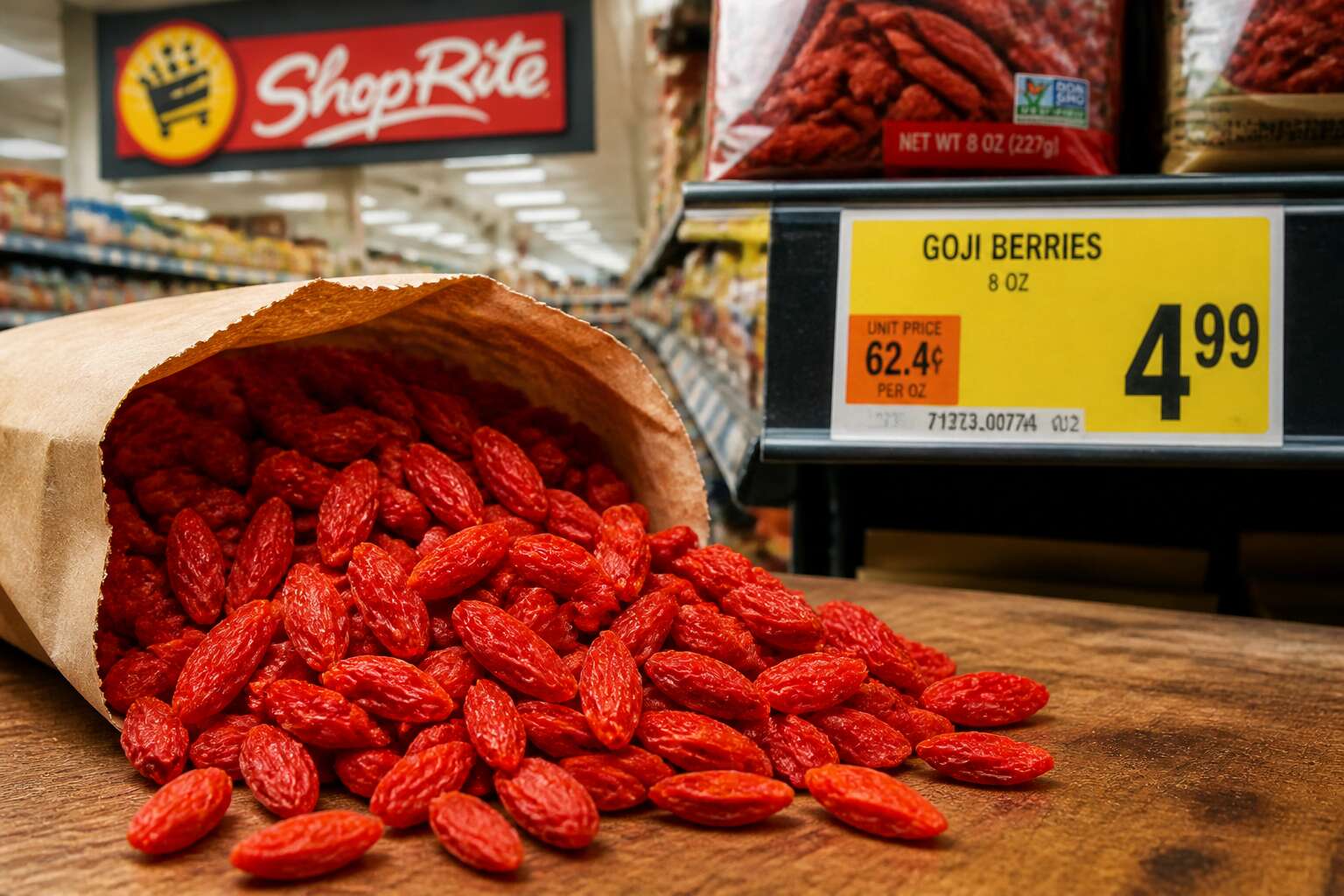
Goji berries at Shoprite present a fascinating study in price versus quantity. The cost per kilogram fluctuates wildly depending on which packet you grab, and the shelf holds everything from budget friendly snacking options to premium imports. You can often find a substantial 200 gram bag for under R50, while the smaller, imported pouches might set you back double that for half the weight. The packaging dictates the price, and so does the story behind the harvest.
The value proposition changes based on how you intend to use them. If you are throwing a handful into a morning smoothie, the house brand offers the sensible economics. If you are eating them straight from the bag as a treat, the softer, sweeter imported berries justify their higher price point.
Consider these typical price tiers found on the shelf:
– The 100 gram trial size, perfect for first timers.
– The 250 gram value bag, which offers the best weight-to-price ratio.
– The 500 gram bulk option for dedicated daily consumers.
The baked-in cost of marketing and origin claims adds to the final tally. The goji berries shoprite range rewards shoppers who compare the price per unit, rather than the price on the tag alone. Often, the most expensive option is not the best value, and the cheapest is not the worst. Look for the resealable packaging, as it preserves the berries and prevents waste, which adds another layer of value to your purchase.
Comparing Bulk and Packaged Options
Every handful tells a different story, and the choice between bulk and packaged goji berries shoprite customers face is a quiet calculation. The 500 gram bag suits a household where these berries vanish into porridge and baking, a steady pantry companion. The smaller packets, however, offer a different virtue: freshness. Once the seal breaks, moisture finds its way in, and the berries lose their snap. A large bag opened too slowly becomes a monument to neglect.
The practical shopper weighs their own rhythm. If you eat them daily, the bulk option wins. If they are an occasional indulgence, the compact package protects your investment. The goji berries shoprite selection forces a personal audit of your habits, not just your wallet. The right answer is the one that ends with an empty bag, not a stale one.
Seasonal Availability and Stocking
Goji berries shoprite shelves tell a seasonal story. Most stock arrives after the autumn harvest in Ningxia, China, which runs from June to September. By October, new batches appear in stores. The availability depends on import schedules and local demand. Some branches receive shipments monthly, while smaller outlets restock less frequently.
A shopper might track these patterns:
- Peak restocking happens in early spring and late summer.
- Prices stabilise when the new crop lands.
- Older stock clears before the next shipment.
The goji berries shoprite range therefore reflects the global harvest cycle. Understanding this timing helps you buy at peak freshness and avoid disappointment.
Incorporating Goji Berries into Your Diet
Simple Snack Ideas
The packet sits in your trolley, promising vitality, yet the path from pantry to palate often proves treacherous. Too many shoppers treat these crimson jewels like medicine, dutifully sprinkling them over bland oats before forgetting their existence entirely. This is a culinary tragedy, a missed opportunity for flavour and texture that deserves immediate rectification. The trick is to approach goji berries shoprite purchases with the same creative abandon you would apply to a punnet of fresh berries, not as a supplement but as an ingredient with genuine personality.
Their natural sweetness and satisfying chew make them remarkably versatile beyond the predictable smoothie. Consider their role as a surprising substitute for raisins in a traditional South African milk tart, adding a subtle tartness that cuts through the custard. Alternatively, think of them as a textural component for your braai side salads, offering a pleasant contrast to crispy lettuce and creamy feta. The possibilities are plentiful for those willing to experiment.
For a more immediate solution, consider these effortless pairings that require minimal effort:
– Stir a handful into your peanut butter sandwich for a sweet and salty crunch.
– Toss them through a classic chicken curry during the last five minutes of cooking.
– Blend them into a savoury chutney to serve alongside bobotie.
The real joy, however, lies in their solo performance as a snack. A small bowl placed on the coffee table can quietly replace the need for crisps or chocolates. They provide a concentrated burst of energy that does not leave you reaching for a sugary follow-up. You might find that your afternoon tea ritual evolves, with the berries acting as a natural accompaniment to a rooibos brew, their chewy texture a far more interesting companion than a biscuit. It is a small shift in habit, but one that makes the pantry feel far more exciting. Suddenly, that jar from the goji berries shoprite aisle becomes a source of daily delight, not just a forgotten health kick.
Adding to Smoothies and Oatmeal
A goji berry that is rehydrated becomes a different ingredient altogether. When you soak a handful in warm water for ten minutes, the texture transforms. It becomes plump, almost like a soft raisin, and the flavour mellows into something more approachable. This is a practical step for anyone who finds the dried version too chewy or intense.
For smoothies, the berries should go straight into the blender while still dry. The liquid in the mixture softens them during the blending process. You get a subtle sweetness without any gritty residue. The same logic applies to oatmeal. Stir them into the pot while the oats are still simmering, allowing the heat to plump them up before serving.
– A spoonful of goji berry powder is an option for those who prefer a smoother texture.
– Chopped berries mix more evenly into a batch of morning muesli.
– A handful of berries added to a breakfast smoothie bowl provides a concentrated topping.
The key is consistency. The berries will sink to the bottom of a thin porridge if you simply sprinkle them on top. Mixing them through the mixture ensures every spoonful carries the same flavour. This small adjustment makes a jar from the goji berries shoprite aisle far more useful for a weekday breakfast routine. The dried fruit holds up well in liquid, so you are not compromising the texture of your meal.
Baking with Goji Berries
Baking with dried goji berries adds a tart chew to muffins that raisins cannot match. The goji berries shoprite carries are firm enough to hold their shape inside a bread loaf. In a dense batter, they can be folded in while dry. For leaner doughs, a five minute soak in warm orange juice prevents them from drawing moisture out of the crumb.
Chopped berries work better in cookies, where whole pieces create uneven pockets. Their versatility in baking shows up in several staples:
- Banana bread for a subtle sour bite.
- Scones with buttermilk and oats.
- Spiced loaf cakes such as ginger or cinnamon.
When baked, the berries darken and soften into a jammy texture. This avoids the chewy, dried state that puts some people off. A small handful goes further than you expect.
Shopping Tips for Goji Berries at Supermarkets
Reading Labels for Sugar Content
Goji berries often contain a surprising amount of added sugar. Walking through the goji berries shoprite aisle, I have seen labels that list sugar as the second ingredient. That should worry you.
Before tossing a bag into your trolley, scan the nutrition panel for total sugar per 100 grams. Dried goji berries naturally contain around 50 grams of sugar, so anything above 60 grams signals added sweeteners. Look for terms like cane sugar, glucose syrup, or fruit juice concentrate. These are easy to miss.
- Check the ingredients list for any sugar derivative.
- Compare plain versus flavoured versions.
Shoprite stocks several options, so a quick label check takes only thirty seconds.
Understanding Serving Sizes
Reading serving sizes at the shop often produces a small shock. The nutrition panel on a bag of dried goji berries might state 30 grams per portion, roughly a small handful. Walk through the goji berries shoprite aisle and you will see brands using 20 grams, others using 40 grams. That single number changes your cost comparison.
A bag priced at R40 with a 20 gram serving looks like a bargain until you work out the cost per kilogram. Your hand does not measure in grams.
- Inspect the gram weight on the serving size before comparing prices.
- Note whether the package references weight or berry count.
- Check if the same brand shifts serving sizes between packet formats.
Most shoppers tip more than the stated portion into a bowl. The goji berries shoprite range offers several packet sizes, so knowing the serving size helps you judge what you actually consume.
Storage and Shelf Life
Once you have chosen your packet from the goji berries shoprite range, the battle against moisture begins. These dried berries are hygroscopic, meaning they actively draw water from the air. A soft, chewy goji berry is not a sign of ripeness; it is a sign that spoilage has started. The packaging you bring home is rarely airtight after the first opening, so transferring the berries to a glass jar with a rubber seal is essential for preserving their texture.
The pantry is a suitable home, provided it stays below 20 degrees Celsius. Sunlight will degrade the colour and nutrients, so keep the jar in a dark cupboard. Properly stored, the berries maintain their quality for up to twelve months. For longer term storage, a refrigerator works even better, though you must let the jar reach room temperature before opening it to prevent condensation.
– Always use a dry spoon to retrieve berries.
– Check the jar for cracks in the seal every month.
– Discard any batch with a sour smell or visible clumping.
The goji berries shoprite stock rotates regularly, but older packets can sit on the shelf. Examine the packing date if visible, and shake the bag. Berries that sound loose and rattle are in good condition. A dull, sticky bag suggests a broken seal and prior moisture exposure.
Alternatives If Out of Stock
Walking into a store only to find goji berries shoprite out of stock is a common frustration in South Africa. I have learned to check the health food aisle first, then the dried fruit section, because placement shifts! Ask a shop assistant before giving up; the stock often sits in the back.
If you cannot wait, mulberries or cranberries offer a similar texture, though their taste differs. For the authentic product, visit a dedicated health shop or order online from a local supplier. Buying in bulk from an importer guarantees supply and often lowers the price.
- Call ahead to confirm availability.
- Check the expiry date on any substitute.
When the goji berries reappear, compare prices across brands. The cost can change between deliveries.
Buying in Bulk vs. Small Packages
The true cost of convenience is often hidden in plain sight. A small packet of goji berries shoprite might seem like a prudent way to test the waters, yet the price per 100 grams tells a different story entirely. I have stood in that aisle, calculator app open, staring at the discrepancy. The smaller bags carry a premium that few notice until the math is done.
Bulk purchasing appeals to a sense of commitment. It forces a relationship with the product that lasts for months, not days.
The decision hinges on your consumption velocity. If you are adding a handful to your morning oats daily, the larger package disappears quickly enough to avoid staleness.
– Bulk bags offer the lowest cost per gram.
– Small packets suit first time buyers or those who use goji berries sparingly.
– The middle ground, a medium pouch, often represents a compromise that satisfies neither budget nor portion control.
I find myself returning to the weight based calculation every time. The difference between a 200 gram and a 500 gram bag at goji berries shoprite can be substantial enough to warrant a second look at your monthly grocery budget. That said, a massive sack is useless if it sits in your cupboard for a year and loses its vibrant colour. Measure your habits before you measure the bag. The value of any purchase is tied to its use, not its size.
Online Ordering and Delivery
“The real voyage of discovery consists not in seeking new landscapes, but in having new eyes,” Marcel Proust once wrote. Those new eyes are essential when navigating the labyrinth of a modern supermarket, especially when your quarry is a specific, nutrient dense berry. Finding the right tubs and pouches at your local Shoprite requires a strategy that transcends mere wandering. You are not just looking for a product; you are negotiating the space between your desire and the store’s logistical realities.
The physical layout is the first hurdle. Goji berries are a niche item, often placed far from the dried fruit section you might expect. They hide near the health foods aisle or the baking supplies. In the Cape Town stores I frequent, they sit beside the seeds and nuts, a small, unassuming patch of red amidst the brown and beige. Do not trust the signage; trust the rhythm of the shelves. A quick reconnaissance of the ends of aisles often reveals temporary placements that shift with the seasonal stock movements.
If the shelves disappoint, the digital frontier offers a more deliberate approach. Online ordering at Shoprite is not a shortcut; it is a different kind of diligence. The stock on the website mirrors the physical inventory, so a live stock checker is your first tool. When you place an order for delivery, you are at the mercy of the picker’s interpretation. To avoid a bland substitute, you must specify the exact brand or weight in the notes. This specificity is the difference between receiving a premium product and a generic blend.
Consider these pathways for your purchase:
– Compare the unit price displayed on the shelf tag, not the total price, to ensure the online discount matches the in store offer.
– Schedule delivery for off peak hours, as this often leads to better handling of fragile dried goods.
– Verify the freshness date on the package immediately upon arrival, as online selection can sometimes lean towards older stock.
The click of the mouse or the rumble of the cart both lead to the same point of decision. Ultimately, the act of buying goji berries shoprite becomes a study in patience, a small ritual of attention in a world of distraction. The physical hunt forces you to understand the store’s logic, while the online route forces you to articulate your needs with precision. Both paths offer the same reward, but the journey shapes your relationship with the product. The deliberation itself is a form of appreciation for the small red jewels you are about to bring home.




0 Comments