Understanding the Whole30 Program
The Core Principles of Whole30
Whole30 asks a simple but formidable question: can you alter your relationship with food in thirty days? The program strips away sugar, grains, dairy, legumes, and alcohol. What remains is meat, seafood, eggs, vegetables, fruits, and healthy fats. No measuring, no calorie counting. You just eat!
The core principles follow a sequence:
- Eliminate all potentially inflammatory food groups for thirty days.
- Reintroduce them one at a time to observe reactions.
- Decide what your body actually tolerates.
This method replaces guesswork with observation. I admire that rigor. Read every label. Check for hidden additives. And when you ask are goji berries whole 30 compliant, the answer depends on processing. Plain dried berries pass. Sweetened versions do not.
Allowed Foods and Ingredients
When you strip away the banned categories, the Whole30 allowed foods list is surprisingly generous. Fresh and dried fruits appear throughout, which is where goji berries enter the conversation. The program permits any fruit in its pure form, provided no sugar, preservatives, or additives sneak in. Meat, seafood, eggs, vegetables, nuts, seeds, and healthy fats like olive oil and avocado all qualify.
A typical approved pantry includes:
- Fresh or frozen vegetables and fruit
- Unprocessed meats and seafood
- Eggs and approved fats
- Unsweetened dried fruit like plain goji berries
Reading labels matters because many dried berries arrive coated in cane sugar or sulfur dioxide. That changes the answer to the question are goji berries whole 30 compliant. Pure, unsweetened goji berries pass with ease; anything else fails the label test.
Additives and Sweeteners to Avoid
A single serving of dried fruit can hide more sugar than a chocolate bar. Sulfur dioxide preserves bright colors, while cane sugar masks tartness. Additives like citric acid and maltodextrin appear without fanfare. The Whole30 program eliminates these from your plate. For anyone wondering are goji berries whole 30 compliant, the label tells the real story. Sweeteners, including honey and maple syrup, remain off limits because they trigger cravings. I scrutinize every ingredient list before purchasing. A pure goji berry has one entry. Everything else signals trouble. Common culprits to avoid:
– Refined cane sugar or brown rice syrup
– Sulfur dioxide or other preservatives
– Artificial sweeteners such as sucralose
These additives dull your palate and distort natural flavor. Even small amounts can break the program’s rules. That is why plain, unsweetened berries pass and coated versions fail.
Goji Berries: A Nutritional Closer Look
What Are Goji Berries?
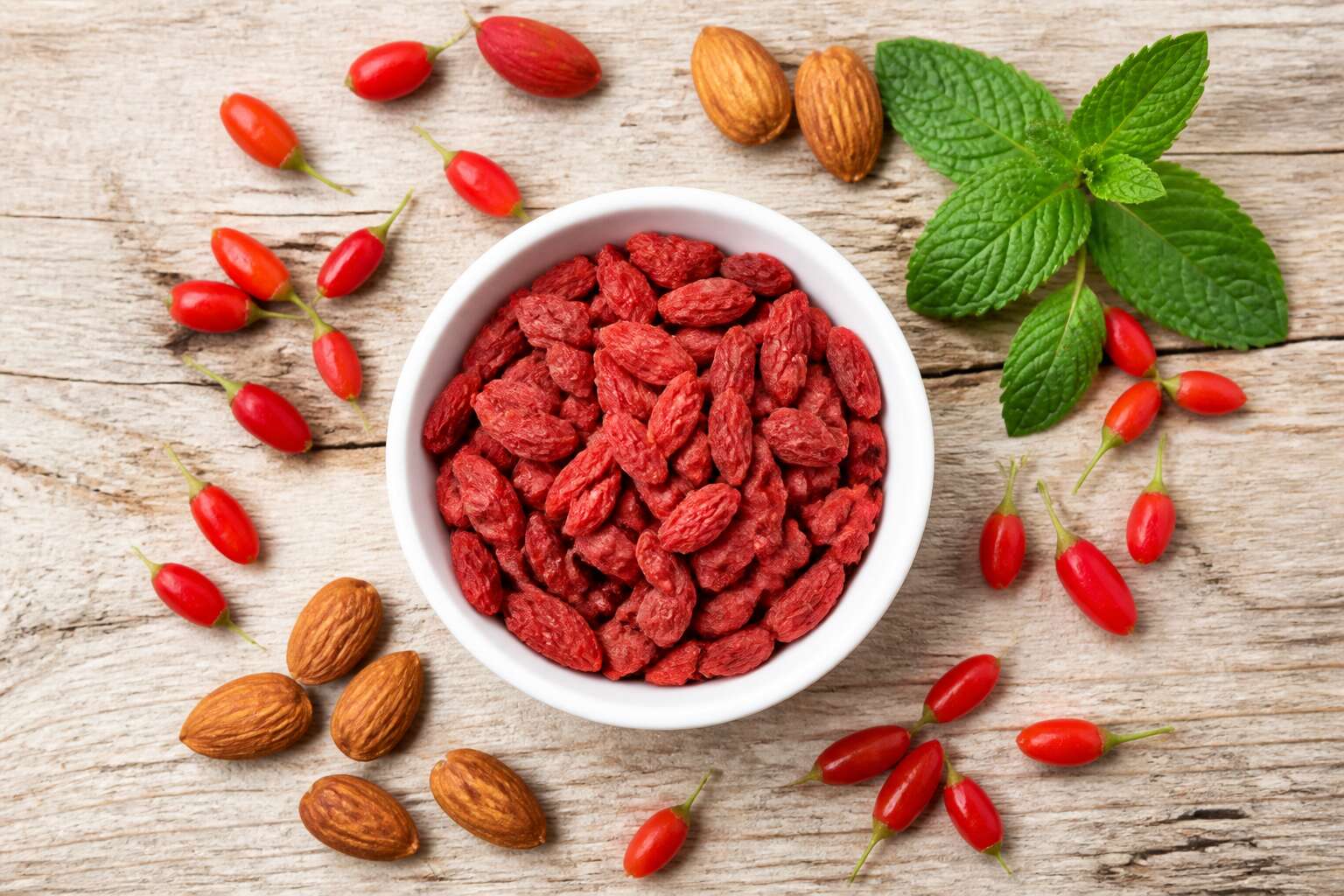
Goji berries, also known as wolfberries, have been cultivated in the Himalayan valleys for centuries. These small, red-orange fruits resemble raisins but possess a tart, slightly sweet flavor. They are often sold dried, appearing in trail mixes or as a standalone snack. But beyond their pantry presence, their nutritional profile deserves attention.
Consider their dense composition. A typical serving provides vitamin C, iron, and dietary fiber. More notably, goji berries contain polysaccharides and carotenoids. These compounds contribute to their reputation as a health tonic. So when asking are goji berries whole 30 compliant, the answer hinges on how they are processed. Plain, dried goji berries have no added sweeteners, which aligns with Whole30 standards. However, many commercial versions include sulfites or extra sugar. Such additions complicate compliance, and label inspection reveals these hidden components.
Health Benefits and Antioxidant Profile
Goji berries carry a dense nutritional payload beyond basic vitamins. Their deep red hue signals high concentrations of zeaxanthin and lutein, carotenoids that support eye health and filter blue light. These compounds, alongside polysaccharides, give the berry its antioxidant reputation. The question of are goji berries whole 30 compliant often focuses on additives, but the nutritional profile deserves equal attention.
The antioxidant profile is particularly notable. Studies point to goji’s ability to neutralise free radicals, reducing oxidative stress at the cellular level. Iron and vitamin C appear in meaningful amounts, making the berry a practical addition for energy and immune function. Fibre content also aids digestion, a benefit worth appreciating.
- Zeaxanthin and lutein for eye health
- Polysaccharides for immune support
- Iron and vitamin C for daily vitality
This combination positions goji berries as a functional food with practical daily value.
The Role of Drying in Nutrient Retention
Roughly 80% of a fresh goji berry’s weight is water, and the drying process concentrates the rest. This matters when asking are goji berries whole 30 compliant, because the dried form you buy carries a different nutrient density than the fresh fruit.
Drying reduces moisture to around 10%, which slows enzymatic degradation and microbial growth. Heat exposure does diminish certain heat-sensitive vitamins, notably vitamin C. Yet the carotenoids zeaxanthin and lutein, along with polysaccharides, largely survive dehydration!
I have compared nutrient panels of fresh and dried goji berries, and the differences are subtle. Consider what drying preserves:
- Carotenoids maintain structural integrity
- Polysaccharides remain bioavailable
- Iron content stays stable
Dried goji berries therefore retain enough nutritional value for a Whole30 eating plan, provided the dehydrating process uses no added sulphur dioxide or sweeteners.
Whole30 Compliance Criteria for Berries and Fruits
General Fruit Rules on Whole30
Whole30’s stance on fruit is not a prohibition but a discipline. Fresh berries are welcomed, though the program warns against using them as a sugar stand-in. Dried fruit complicates the picture. When water leaves a berry, sweetness concentrates, and a once innocent snack edges toward treat territory.
The general fruit rules ask for honesty:
- Fruit belongs with meals, not as dessert
- Fruit juices and smoothies are discouraged
- Dried fruit requires label scrutiny
Added sugar, fruit juice concentrate, and sulphur dioxide all disqualify a package instantly.
This leads directly to the pressing question of are goji berries whole 30 compliant. Since goji berries arrive almost exclusively in dried form, they must pass the same test as any other dried fruit. Unsweetened, preservative free, and untainted by concentrates, they earn a place. Otherwise, they sit on the shelf.
The Sugar Content of Goji Berries
Goji berries look innocent enough, yet their sugar concentration after drying demands scrutiny. A 30 gram serving holds roughly 13 grams of natural sugar. That is not outrageous, but it is enough to trigger the Whole30 question. Are goji berries whole 30 compliant? The answer hinges on the package label, not the berry itself.
The compliance criteria are straightforward:
- No added sugar or sweetener
- No fruit juice concentrate
- No sulphur dioxide or preservatives
- Whole fruit only, not extract
The drying process removes water and leaves a chewy, sweet morsel. Unlike fresh berries, goji berries offer no water weight to dilute their sugar. So treat them as a condiment. Sprinkle a few into a salad or stew. The program asks for honesty around dried fruit. If you reach for gojis to satisfy a sweet craving, you have crossed a line. But used sparingly within a meal, they remain compliant.
Are Goji Berries Considered a Fruit or a Supplement?
Whole30 compliance for berries and fruits follows a simple standard. The label must show no added sugar, no fruit juice concentrate, no preservatives, and the product must be whole fruit. That means dried goji berries pass only if they remain unadulterated.
Are goji berries whole 30 compliant when sold as a supplement? This is where shoppers stumble. A powder, capsule, or extract is not a fruit. It is a concentrated product with different rules. Supplements do not automatically qualify. The program asks you to eat real food, not processed derivatives. I have watched people assume a goji capsule counts toward their daily fruit intake. It does not.
- Check the ingredient list for sulphur dioxide
- Reject any bag that lists sweetener
- Choose whole dried berries over powders
The fruit itself can fit the program, but the form matters. When someone asks are goji berries whole 30 compliant, the honest answer is: only the whole fruit, and only without additives.
Hidden Additives in Dried Goji Berries
Whole30 compliance criteria for berries and fruits are straightforward but unforgiving. The fruit must remain whole and unadulterated. Drying is acceptable, but any additive shifts the product into a different category. For dried goji berries, the red flags are often invisible to the eye.
Hidden additives in dried goji berries appear in many forms:
- sulphur dioxide for colour preservation
- cane sugar or fruit juice concentrate for sweetness
- sunflower oil or rice flour to prevent clumping
Each of these fails the program’s ingredient rules. When shoppers ask are goji berries whole 30 compliant, the answer rests entirely on that label. A clean bag of whole, dried berries works. Anything else does not.
Analyzing Goji Berry Products
Dried Goji Berries: The Standard Form
Walk down any health food aisle and you will find them, those crimson morsels, sealed in pouches, their colour a faint memory of sun-scorched orchards. Dried goji berries are the standard form on the market, yet not every bag holds the same truth. Some contain only the fruit itself, a solitary ingredient that sits squarely within the programme’s boundaries. Others, however, carry hidden shadows, oils, preservatives, or additives that would break the rules without mercy.
When I analyse a product, I look for one thing only, the ingredient list. If it reads simply ‘goji berries,’ you are safe. If it whispers of sulphur dioxide or sweeteners, you are not. The question of are goji berries whole 30 compliant often hinges on this very distinction. Consider three markers when examining a package:
– The ingredient list must be singular.
– The packaging should show no added sugar or syrup.
– The texture should feel dry, not tacky with oil.
These markers separate a compliant purchase from a quiet mistake. Are goji berries whole 30 compliant? Yes, but only in their unadorned form!
Goji Berry Juice and Concentrates
Juice is where goji berries shed their wholesome disguise and cosplay as a health drink. The marketing whispers of antioxidants and vitality, but the fine print shouts something else entirely. When you press a berry into liquid form, you concentrate the sugar and discard the fibre, which is the exact opposite of what Whole30 wants from your fruit intake.
Here is what typically lurks in a bottle of goji berry juice:
1. Added fruit juice concentrates to sweeten the blend.
2. Preservatives like potassium sorbate to extend shelf life.
3. Natural flavours that mask the processing shortcuts.
Are goji berries whole 30 compliant when they arrive as a beverage? The program answers with a resounding no. Juice triggers the same sugar response as soda, regardless of the berry’s noble reputation. Concentrates multiply this problem. They strip the water, amp up the sweetness, and often introduce additives that fail the programme’s ingredient standards. I find it amusing that we call these products health foods when the label requires a chemistry degree to understand. Stick to the dried form and leave the liquid imposters on the shelf. Are goji berries whole 30 compliant in their juice state? The answer remains firmly in the negative.
Goji Berry Powder and Supplements
Goji berry powder and supplements occupy a grey zone that Whole30 handles with suspicion. A capsule of goji extract is neither a whole food nor a clean supplement. It is a processed derivative, and the programme demands you ask what else entered the bottle during manufacturing.
Manufacturers often introduce additives during powder production. Common offenders include:
- Maltodextrin, a starch filler that spikes blood sugar
- Silicon dioxide, an anti caking agent with no nutritional value
- Rice flour or other grain based carriers
- Artificial sweeteners to mask bitterness
Are goji berries whole 30 compliant when processed into powder? Strictly speaking, a pure powder with no additives passes the label check. Yet are goji berries whole 30 compliant in spirit? The programme encourages eating foods in their natural state. A supplement cannot replace the fibre and structure of the whole berry, and labels that list anything beyond the berry itself fail the compliance check.
How to Read Labels for Whole30 Compliance
Reading a label is an act of self interrogation. You check ingredients while asking whether a product respects the boundary between whole food and industrial artifact. The answer hides in plain sight.
When you pick up a package of goji berries, turn it over and read slowly. Are goji berries whole 30 compliant? The label will tell you, but only if you know what to look for. Sulfur dioxide appears as a preservative. Palm oil shows up as a coating. Sugar sneaks in under names like maltose or fruit juice concentrate.
The compliance test requires a short ingredient list:
- One ingredient only
- No added sweeteners
- No sulfites or preservatives
If the list runs longer than that, the product fails. Your intuition already knows this. The packaging is designed to distract you from the truth. Read it anyway.
Common Brands and Their Ingredients
Walking the dried fruit aisle in South Africa, you encounter goji berries from several brands. The most reliable are those packed in simple pouches with a single ingredient. Others, however, mix goji berries with cranberries or add palm oil to prevent clumping.
Consider the common names: Nature’s Harvest, Sahara Organics, or bulk bins at health stores. Each requires a careful look. To know are goji berries whole 30 compliant, you must examine the label even when the package screams clean.
- Pure dried goji berries with no additives
- Organic versions free of sulfites
- Trail mixes containing goji berries and sugar
Only the first two pass the test.
Making a Decision: Your Best Options
If Goji Berries Are Not Compliant, What Are Your Alternatives?
If you must have that berry-like chew, the answer to are goji berries whole 30 compliant is often a frustrating no. Most commercial bags contain sulfur dioxide to preserve that bright red hue, which is a definite violation. You might find a raw, unsulphured version, but the hunt is tedious and the cost is high. Your energy is better spent on alternatives that deliver texture and sweetness without the risk.
Consider berries that fit squarely within the program’s rules. Fresh or frozen blueberries, raspberries, and strawberries provide that tart pop and antioxidant punch. Dried fruit is trickier, since labels often hide added sugar, so you must verify every ingredient. For a snack that mimics the goji experience, you could make your own trail mix at home.
The best compliant options include:
– Fresh or frozen blackberries
– Unsweetened dried apples or mango
– Raw nuts and coconut flakes
Those choices give you bulk and flavor without the label anxiety. When you skip the exotic import and stick to the basics, you avoid the entire compliance headache. The program is strict, but the workaround is simple: choose foods with a single ingredient and no sneaky additives. That principle will always steer you clear of the goji berry minefield.
Approved Superfoods to Try Instead
When you finally press the question, are goji berries whole 30 compliant, the answer releases you from a tedious hunt. Instead of chasing an unsulphured import, I recommend pivoting to approved superfoods that never force you to second-guess a label. Roasted sweet potato cubes bring a mild sweetness and satisfying bite. Hemp hearts add protein and a subtle crunch. Fresh pomegranate arils pop with tartness and antioxidants. These staples are easy to find in South African grocery stores. For a compliant snack plate, try this lineup:
- Roasted sweet potato cubes with cinnamon
- Hemp hearts sprinkled over fresh apple slices
- Pomegranate arils tossed with lime juice
After that switch, the question of are goji berries whole 30 compliant stops mattering entirely.
Expert Opinions and Anecdotal Evidence
Experts rarely agree, but the split here is real. Some dietitians say the ban on goji berries is overcautious, pointing to plain dried fruit with no additives. Others insist the label matters more than the berry itself, especially when sulphur appears. Anecdotal evidence from Whole30 veterans tells two stories. Some finish their round fine after a small handful. Others report sudden cravings that derail their discipline.
For a middle path, consider this:
– Ask your Whole30 coach for a direct ruling.
– Check the import label for sulphur dioxide.
– Measure one serving, not the whole bag.
Your tolerance for ambiguity will decide whether are goji berries whole 30 compliant becomes a dealbreaker or a shrug. Decide before your next shop.
The Bottom Line for Your Whole30 Journey
In the end, you stand with your cart and your own standards. The question of are goji berries whole 30 compliant has no universal yes or no, only the answer you can defend to yourself. Your best option is to read every line of the ingredient label, check for sulphur, and measure one serving before you commit.
The bottom line for your Whole30 journey comes down to intention. A handful of berries will not shatter your discipline, but the habit of bending rules might. Some people thrive under strict boundaries. Others prefer the middle path.
So ask yourself what you are truly seeking. If the ambiguity makes you uncomfortable, leave the goji berries on the shelf. If you can hold the nuance, enjoy them. Only you can decide whether are goji berries whole 30 compliant belongs in your pantry.

0 Comments