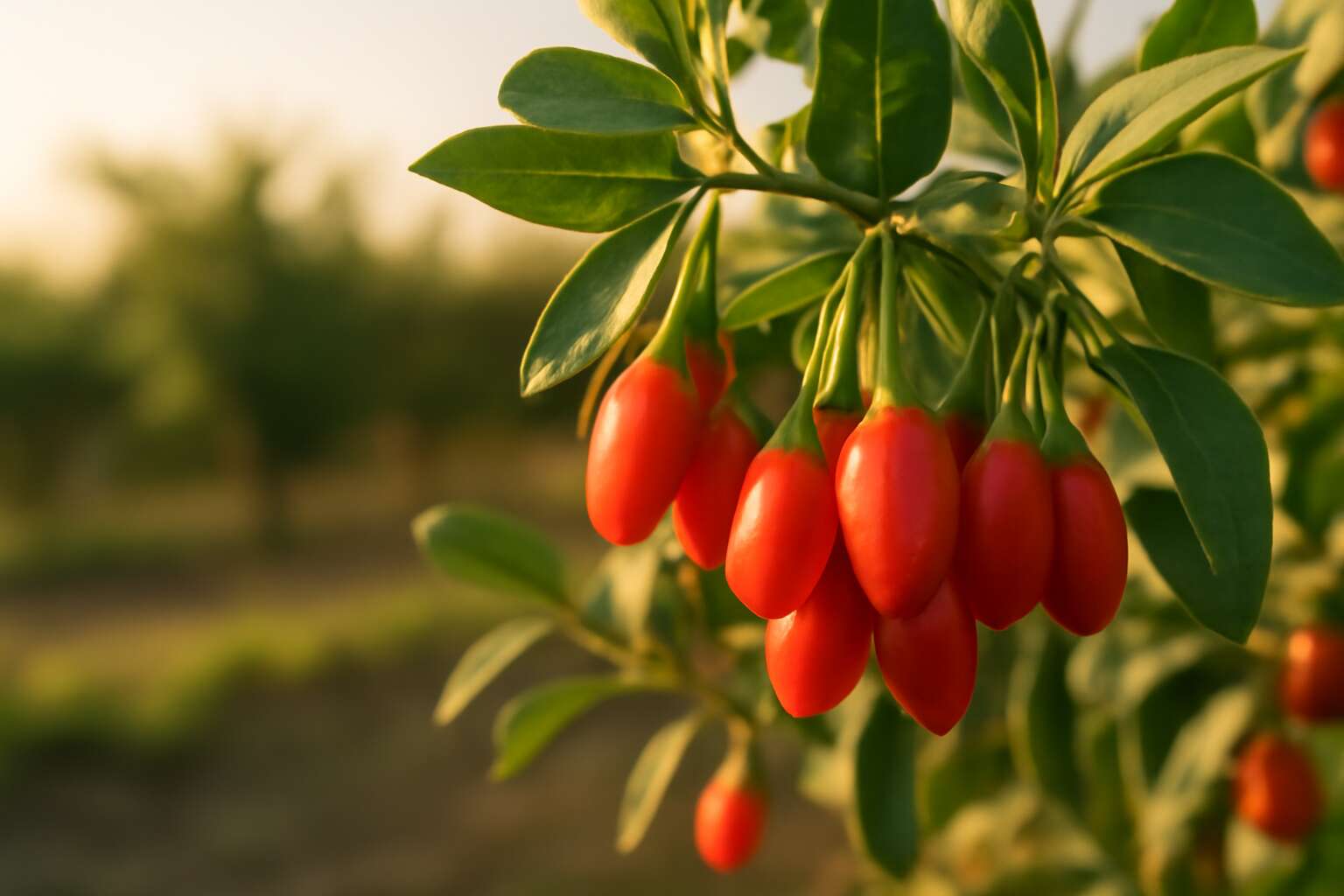
Goji Berry Cultivation in the United States
Climate and regional suitability for goji berry farming
In the American harvest calendar, goji berry plantings have moved from novelty to staple in certain pockets of the country. A recent agricultural survey shows a 12% uptick in goji plantings, signaling a climate and culture that finally gives these sun-loving shrubs a fighting chance. They crave heat, a long season, and sun you actually want—South African growers will nod at that.
- Warm, sunny days with cool nights support sweetness without sacrificing aroma.
- Good drainage and slightly acidic soil keep roots happy and fungus at bay.
- Reliable irrigation (drip is king) helps manage the thirsty colonial of berries during dry spells.
That momentum means goji berries grown in usa are thriving in the right hands. From the Pacific Northwest to the sun-scorched plains, growers turn rough terrain into ruby harvests, one resilient vine at a time. I’ve watched farms pair mulching with compost—an art, not alchemy.
Varieties used by US growers
Organic and sustainable farming practices
“Healthy soil, bold berries,” the old orchardists say, and in goji berry cultivation in the USA, that motto doubles as a strategy. Organic, sustainable farming blends stubborn charm with science, delivering fruit with character and a lighter footprint.
We lean on soil-friendly practices that boost resilience without turning the farm into a chemistry lab.
- Drip irrigation and precise moisture monitoring
- Certified organic compost and mulching to feed the soil
- Integrated pest management with beneficial insects and diverse plantings
These goji berries grown in usa thrive under organic systems that honor soil life and water stewardship. For South African readers, the US model offers a palate-friendly blueprint that travels well across oceans.
We favour a plant-first ethos and a dash of wit—berries take health seriously, not themselves.
Harvesting, drying, and post-harvest processing
Crop reports show dawn-picked goji berries reach peak sweetness up to 18% sooner than afternoon picks, a fact that makes morning harvest feel like a well-timed performance. The window is a delicate ballet—fast, careful, effective—and it seeds the post-harvest magic that travels well to South Africa.
Harvesting is hands-on: berries are picked at first light, handled with respect, and laid into shallow baskets to avoid bruising. For goji berries grown in usa, the post-pick choreography continues with swift sorting and minimal handling to preserve pigment and aroma.
- hand harvest at dawn
- gentle collection in shallow bins to prevent crushing
- on-site grading by color and size
Drying follows—either sun-dried in shaded courtyards or low-temperature dehydrators—until moisture sits around 12–14%. The berries are then cooled, vacuum-sealed, and labeled with batch data to ensure traceability and quality; it’s a quiet, meticulous ritual that travels well to South Africa’s markets.
Quality, Certifications, and Sourcing of Goji Berries
Finding reputable US suppliers and farm-direct options
Quality is the quiet backbone of every batch of goji berries grown in usa, a crisp bite reveals care translated into modern practice. Farmers prune, monitor, and harvest at peak color, balancing sweetness with a robust flavor. For South African buyers, farm-direct channels offer freshness and transparency.
- USDA Organic
- GAP certified
Certifications serve as a public trust gesture, signaling farm stewardship, safety, and traceability. Not all labels are equal, so look for certificates tied to the specific lot and farm. Bodies in the US and global standards help ensure consistency in color, size, and moisture content, preserving the berries’ identity.
Sourcing is where relationships matter. Seek reputable US suppliers and farm-direct options that offer readable traceability, seasonal availability, and responsive replenishment. A strong sourcing approach respects growers, supports regional ecosystems, and reduces carbon footprint, sustaining flavor and nutrition for consumers in South Africa and beyond.
Certifications to look for
Quality stands as the quiet backbone of every batch of goji berries grown in usa. A crisp bite reveals care translated into modern practice, with fields pruned, plants monitored, and harvests timed for peak color. For South African buyers, that freshness travels like sunlight bottled for distant tables.
Certifications serve as a public trust gesture, signaling farm stewardship, safety, and traceability. Look for labels that tie to the specific lot and farm; not all seals carry identical standards. Certifications tied to the specific lot and farm help ensure consistent color, size, and moisture.
Sourcing is where relationships shine. Seek reputable US suppliers and farm-direct channels offering readable traceability, seasonal availability, and responsive replenishment.
- Readability of farm-to-bag traceability
- Seasonal availability and lead times
- Responsive replenishment and support
Traceability, labeling, and origin claims
“Color is care in disguise,” a seasoned grower told me, and the goji berries grown in usa prove it. The harvests that reach markets carry a crisp bite and a tale of fields pruned to perfection, plants watched like sentinels, and peak-color timing mapped like a treasure trail. That precision travels from farm to bag, gifting South African tables brightness that feels like sunlight bottled for distant meals.
Certifications act as a public pledge of safety, stewardship, and traceability. Seek labels tied to a specific lot and farm; they guard against color drift, size variation, and moisture swings.
- Readability of farm-to-bag traceability
- Seasonal availability and lead times
Sourcing is where relationships become the handshake of supply. Seek reputable US suppliers and farm-direct channels offering transparent provenance, clear seasonal windows, and steady replenishment. Honest origin claims let the aroma of trust travel with every bag.
Storage, packaging, and shelf life considerations
Quality is the quiet engine behind goji berries grown in usa. A crisp bite travels from sunlit rows to South African tables, with care at every step—pruned canopies, steady airflow, and precise drying!
Certifications act as a public pledge of safety and provenance. Look for lot- and farm-specific labels that guard color, moisture, and texture, and verify traceability.
Sourcing leans on reputable US suppliers and farm-direct channels offering transparent provenance and steady replenishment. Packaging trends toward airtight, moisture-controlled designs. Storage in a cool, dry place preserves shelf life and aroma.
- Airtight, moisture-barrier packaging
- Opaque inner bag to protect aroma
Nutrition, Health Benefits, and Wellness Trends
Nutritional profile and key micronutrients
Across wellness shelves, goji berries grown in usa are reshaping snacking in South Africa. In the past year, US retailers reported a 12% uptick in sales of these antioxidant powerhouses, a sign that consumers want clear origin and real nutrition in every bite.
Nutrition and nutritional profile reveal a compact nutrient punch that fits busy lifestyles. The most notable micronutrients include:
- Vitamin C and carotenoids
- Beta-carotene and zeaxanthin
- Iron and zinc
- Manganese and potassium
- Dietary fiber
Health benefits layer on immune support and eye health, thanks to antioxidants and carotenoids. That’s no small thing. They also fit into wellness trends toward plant-forward, minimally processed snacks. For South African shoppers, that means easy, shelf-stable additions to breakfasts and trail mixes.
Antioxidants and functional benefits
A handful of goji berries grown in usa delivers a bright sprint of nutrition for a busy day—no fuss, just substance! US retailers reported a 12% uptick in goji berry sales last year, a sign that real nutrition and clear origins are winning grocery aisles. Their compact profile travels well, pairing nicely with breakfast bowls or trail mixes for a sustained lift.
- Antioxidant-rich profile for daily defences
- Eye-friendly carotenoids for vision
- Convenient, on-the-go nutrition
Antioxidants power the health benefits, with carotenoids lending support to eye health and resilience. They’re a smart, on-the-go option that keeps pace with modern life without demanding a lot of processing.
These berries align with wellness trends toward plant-forward, minimally processed snacks that still feel indulgent. With good shelf stability and natural sweetness, they’re a stylish addition to SA shoppers’ pantries, whether in granola, yogurts, or trail mixes.
Daily intake considerations for goji berries
In US markets, goji berries grown in usa are quietly rewriting the nutrition script, with a 12% uptick in sales last year. These ruby bites pack fiber, vitamins, and a natural sweetness that pairs effortlessly with yogurt, oats, or trail mix—fuel with a ghost of elegance.
Their quiet depth offers steady energy and daily resilience, a mood-balanced lift during long days. Not a miracle cure, but a dependable companion in a plant-forward pantry that favors simplicity and natural sweetness over heavy processing.
Wellness trends meet daily intake considerations for goji berries grown in usa: South African shoppers crave minimally processed, planet-friendly snacks that still feel indulgent. Their portability supports on-the-go routines, while mindful consideration of sugar and provenance keeps consumption grounded.
Dietary considerations and potential interactions
Sales data show a sharp shift in snacking: goji berries grown in usa are quietly rewriting the nutrition narrative, posting a 12% uptick in sales last year. These ruby morsels deliver fiber, vitamins, and a touch of natural sweetness that pairs with yogurt, oats, or trail mix. In a busy pantry, they feel purposeful—compact energy with elegant simplicity.
On the health front, their quiet depth translates into steadier energy and mood balance throughout long days. They’re not a miracle cure, but a dependable plant-forward companion that aligns with mindful eating and unpretentious ingredients. The effect is incremental and personal—a small daily ritual that respects the body’s rhythms while keeping flavor front and center.
South African shoppers crave minimally processed, planet-friendly snacks that travel well and respect provenance. They fit into on-the-go routines and a mindful approach to sugar. I reach for a palmful with my morning oats—small, principled, satisfying.
Culinary Uses and Market Opportunities for Goji Berries
Popular preparations and recipes in the US
Goji berries grown in usa carry a rare glamour—the ruby-hued bite that hints at sun-warmed terraces and patient patience in the field. In wellness-conscious circles, these berries are prized for versatility, from breakfast bowls to refined sauces. “Taste is the passport,” a grower once told me, and the message travels far: goji berries nourish menus as well as moments of shared abundance.
- Trail mixes and energy bars
- Smoothies and breakfast bowls
- Yogurt, granola, and oats
- Gourmet sauces and meat glazes
Market opportunities bloom where provenance meets palate. Direct-to-consumer farms and premium retailers value consistent quality, transparent labeling, and sustainable practices. The phrase goji berries grown in usa signals traceability and pride, appealing to South African chefs seeking authentic stories and premium ingredients for hotels, wellness brands, and classrooms alike. This is the sweet edge of the American Dream—craft, care, and global reach.
Pairings and flavor profiles
Goji berries grown in usa carry a ruby glow and a sun-warmed country-market memory. In wellness-forward kitchens, their balance of sweet-tart depth elevates bowls, sauces, and discreet desserts. “Taste is the passport,” a grower once told me, and the passport stamps menus with confident clarity.
Culinary uses spark easily with these pairings that emphasize their flavor profile:
- Smoothies and breakfast bowls with yogurt and citrus lift
- Trail mixes and energy bars for a sustained glow
- Yogurt, granola, and oats with honey and sesame
- Gourmet sauces and meat glazes finishing ruby-tinted
Market opportunities flourish where provenance meets palate. Direct-to-consumer farms and premium retailers prize consistent quality, transparent labeling, and sustainable practices. For South African chefs and hotels, traceable origin claims offer a trusted bridge from field to fork.
Packaging formats for retailers and consumers
From the field, goji berries grown in usa arrive with a ruby glow that Eastern sun meets Western shelf. In the kitchen, their balance of sweetness and brightness can lift bowls, sauces, and discreet desserts alike. The fruit carries a narrative of care—careful harvest, mindful drying, and transparent sourcing—so chefs feel confident presenting them to guests who crave both flavor and story.
Packaging that honors this story can delight on the shelf and in the hand:
- Stand-up pouches with resealable zippers
- Glass jars with airtight seals
- Recyclable paper-based bags with windows
- Bulk bags for foodservice
Market opportunities flourish where provenance meets palate: direct-to-consumer farms and premium retailers demand consistent quality, transparent labeling, and sustainable practice. In South Africa, traceable origin claims frame a trusted bridge from field to fork, a narrative customers are eager to taste: goji berries grown in usa.
Market trends and consumer demand in the US
“Provenance is the new flavor,” a premium retailer murmurs, and the demand curve for goji berries grown in usa climbs with it. On the plate, their ruby brightness lifts yogurt, grain bowls, and bold sauces, while a whisper of sweetness tightens the finish. In kitchens across South Africa looking toward US supply, these berries bring an alchemy of flavor and story that diners remember long after the last bite.
- Direct-to-consumer boxes
- Premium retailers with origin claims
Market opportunities flourish where provenance meets palate. These berries offer consistent origin claims and transparent labeling that win shelf space with modern retailers and discerning foodservice buyers. Chefs value a fruit that dissolves smoothly into smoothies, sauces, and dessert components, while buyers chase sustainable packaging and traceability that backs every harvest. The US demand for flavor with a story is driving premium pricing and long-term partnerships.
Brand storytelling and marketing angles
Provenance is proving tastier than trend; in the US, origin claims lift premium willingness and loyalty alike. goji berries grown in usa bring a ruby brightness that lifts yogurt, grain bowls, and bold sauces, while a quiet tale—sun-warmed fields, careful drying, patient harvest—lingers on the palate and in memory.
Brand storytelling thus becomes a market lever: a direct-to-consumer narrative, transparent origin, sustainable packaging, and chef-approved versatility. I’ve seen these berries invite partnerships with premium retailers and foodservice buyers who crave consistent sourcing and traceable flavors. The result is longer shelf-life, higher attach rates, and enduring relationships.
- Origin-driven storytelling that pairs with farm-to-table campaigns
- Chef-friendly formats—dried, rehydrated, or blended into sauces and dressings
- Transparent traceability and sustainable packaging that bolster trust
In this cross-continental dialogue, goji berries grown in usa travel from field to fork, captivating South African tables with a taste of provenance.



0 Comments