Production Costs and Labor
Rising input costs and commodity price volatility for goji berries
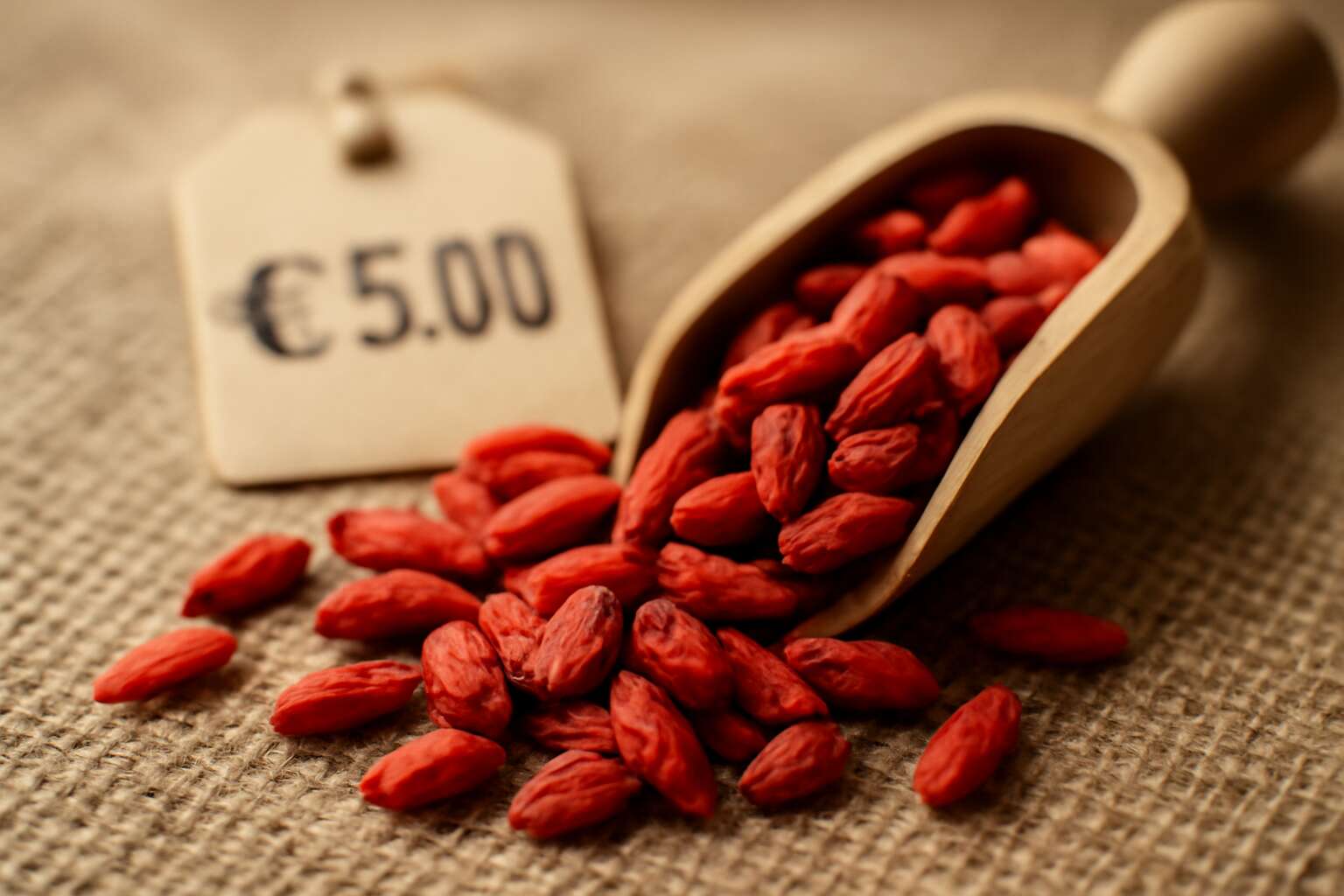
That question—why are goji berries so expensive—threads through fields and markets alike. In the past year, dried goji prices have climbed as much as 25%, a stark clue to the forces beneath their glow.
Production costs nibble at margins: erratic weather harms harvests, water and energy for drying rise, and skilled labor costs press against the clock.
Rising input costs and commodity price volatility ripple through the chain.
- Climate variability
- Labor costs
- Processing and storage
- Transport and currency shifts
For South Africa, these currents translate into a premium product with a shadowy backstory that travels from field to table, and the question remains why are goji berries so expensive.
Labor costs and skilled labor shortages in goji berry production
Production costs in goji farming creep higher as weather swerves and water taps drift unpredictable. Energy for drying berries climbs with longer processing times and hotter days. Traders in South Africa watch margins narrow, and the question surfaces: why are goji berries so expensive.
Labor costs bite. Skilled pickers, dehydrators, and QA specialists are in short supply, and wages rise as demand for premium fruit grows. Seasonal peaks strain crews and push processing times. This scarcity is a hidden cost embedded in every bag!
- Harvesting and field labor
- Drying, storage, and quality control
- Training and safety for seasonal teams
Across South Africa, these costs translate into a product with a premium aura. From field to table, the goji berry carries the imprint of careful farming, resilient drying, and disciplined storage.
Energy, drying, and processing expenses for goji berries
In South Africa, goji berries travel from sunlit vines to meticulous processing, and the price is written in heat and hours. Energy bills for drying have climbed in the past year, and I watch the sun turn fruit to gold as weather turns unpredictable— a reminder that every degree of heat has its price!
Drying times stretch when humidity lingers; every extra minute translates into energy and labor on the floor. I watch the team steady the flow, calibrate dehydrators, and guard every berry with precision, while storage and quality checks preserve aroma, texture, and color.
- Drying energy use and cycle optimization
- Storage humidity control to preserve color
- Quality checks and packaging throughput
From field to bag, these elements forge a premium image. This is the essence of why are goji berries so expensive—crafted farming, patient drying, and disciplined storage that honor resilience as much as taste.
Quality control, safety compliance, and certification costs for goji berries
Production costs in goji farming aren’t just seeds and sun; they’re the stern accountant with a clipboard, auditing every input from field to bag. In South Africa, that ledger grows heavy with labor quality control and safety compliance, and that weight shows in the price tag.
Quality control is no cosmetic flourish; it’s daily discipline that keeps aroma, color, and safety in harmony.
- On-site QC labs and rapid testing
- Worker training and PPE on every shift
- Traceability systems and audits
Certification costs are the stubborn calories in the production diet—HACCP, GlobalG.A.P., ISO 22000, and ongoing surveillance audits. Each badge on the wall translates to paperwork, inspections, and ongoing compliance that the market expects from premium goji berries.
All told, these inputs sculpt the final answer to why are goji berries so expensive—it’s not whimsy but a disciplined, safety-forward craft that turns sunlight into a reliably premium product.
Agricultural Factors and Harvest Dynamics
Climate variability and its impact on goji berry yields
Seasonal freaks are the truly honest metronome of goji farming. In the swing between warm spells and sudden cold snaps, yields can swing dramatically; some seasons show a 20-30% drop just as fruit begins to sweeten. This is part of why are goji berries so expensive; climate variability quietly tightens the supply line. Farmers in the South African Highveld and arid regions watch soil moisture like a treasure, adapting planting windows and irrigation to catch the best fruit.
Climate variability and harvest dynamics demand resilience in the field. Key factors shaping the crop include:
- Late frosts that bruise blossoms
- Drought spells that throttle berry size and sweetness
- Erratic rainfall that disrupts flowering and harvest timing
Farmers balance water rights and choose drought-tolerant varieties, turning uncertainty into steady, patient work that shapes every bruise, every ripe berry.
Crop management, pruning, and harvesting labor for goji berries
On the South African Highveld, crop management for goji berries reads like a weathered epic—training vines, timing prune cycles, and watching soil warmth as a quiet ruler. A single season can tilt sweetness and size, shaping the harvest’s curve. This tension is part of why are goji berries so expensive.
- Pruning windows aligned with sun arcs and rainfall.
- Trellis design and canopy management to maximise light capture.
- Harvest labor cadence that protects berry integrity while sustaining throughput.
In the field, patience becomes the harvest currency; crews move with careful rhythm, bruises kept to a minimum, fruit kept at peak ripeness.
Water management and irrigation costs in goji berry farming
Water is the price tag on every goji berry, a stubborn variable that tilts the scale of sweetness and size. In South Africa’s Highveld, irrigation strategy is a living metronome—pumps hum, lines hiss, and the soil breathes as vines lean toward peak ripeness.
Key elements shaping irrigation costs include:
- Drip systems designed to minimize waste but demanding regular maintenance and calibration.
- Soil moisture sensors and evapotranspiration-based scheduling that dial in water to canopy needs.
- Energy for pumping—diesel, electricity, or solar—tied to borehole reliability and pressure management.
This drift of water, energy, and labor shapes the ledger, and it answers the question why are goji berries so expensive, because every drop must be earned and every pump kept humming from dawn until the last berry is packed.
Seasonality and harvest risk for goji berries
Morning fog clings to the South African Highveld as goji vines wake under a patient sun. In good years, each season offers only about 20 to 25 prime picking days.
Agricultural factors breathe with the season: bloom timing, fruit set, and the stubborn calendar of peak ripeness. That question—why are goji berries so expensive—lingers as farmers map the harvest, weighing rain sequences against light and soil fatigue. The dance between canopy and climate writes the price with care and patience, not haste.
Seasonality and harvest risk shape labour rosters and packing queues, while drought, frost, or sudden downpours sharpen the edge of uncertainty.
- Seasonal ripening windows
- Labor alignment with peak weeks
- Storage and transport contingencies
In South Africa’s markets, every saved day is a decision that protects quality and price.
Post-harvest handling and drying losses in goji berry supply
South Africa’s goji supply chain unfolds like a weathered map: agricultural factors and harvest dynamics steer every basket from vine to packing shed. In drought-prone years, up to 12% of the harvest is lost to bruising and delays before it leaves the farm, and that question—why are goji berries so expensive—lingers in market rooms.
- Post-harvest handling: careful grip, gentle conveyance, and rapid transfer to drying
- Drying dynamics: balancing sun-drying energy savings with color and mold risk
- Storage and packaging: moisture barriers, ventilation, and temperature control
Post-harvest handling and drying losses are the silent tax on every berry. Berries bruise easily, and improper drying invites mold or fermentation. In SA, producers balance sun-drying’s energy savings with the risk of color loss and microbial spoilage, or invest in mechanical dryers that add cost but stabilize quality. This balance keeps quality high and the price shelf-stable.
Supply Chain, Packaging, and Logistics
Global logistics, tariffs, and import duties affecting goji berries
Across global logistics, studies show that 15% of perishables miss optimal transit windows, inflating prices before they reach shelves. The question why are goji berries so expensive lingers in discussions about origin, quality, and the cadence of trade. This is less a simple bill than a map of intricate cross-border choreography.
Packaging and protection add a discreet burden: vacuum-sealed pouches, tamper-evident seals, and sturdy cartons that withstand oceanic waves and airport handoffs. In South Africa, customs require clear labeling and safe-transport materials, turning thoughtful packaging into a threshold that protects harvest memories and preserves flavor on long journeys.
As ships crisscross continents, several logistical forces converge:
- Tariffs and import duties raise landed prices
- Customs clearance delays lengthen lead times
- Container shortages and port congestion slow routes
The story travels far—from the farm to the retailer—yet its essence remains a tribute to careful stewardship.
Drying, packaging, and shelf-stability costs for goji berries
Across the globe, logistics shave margins as transit windows slip. Studies show 15% of perishables miss optimal timing, inflating the cost of every bag that lands on the shelf. This underscores why are goji berries so expensive.
Packaging and protection become a discreet but decisive burden. Goji berries ride in vacuum-sealed pouches, tamper-evident seals, and rugged cartons designed to withstand ocean and airport handoffs. In South Africa, labeling and safe-transport requirements turn thoughtful packaging into a threshold that preserves flavor on long journeys.
- Vacuum-sealed pouches for moisture control
- Tamper-evident seals to deter contamination
- Moisture barriers and UV-protected cartons
Drying, packaging, and shelf-stability costs stretch through the supply chain. Energy-intensive drying, meticulous moisture management, and oxygen control pressure margins, while durable crates and temperature-controlled handling shield aroma along the way. A whisper of wind reminds the market that every crate carries a harvest memory.
Cold chain considerations and energy use for goji berry distribution
Across the seas and ports of South Africa, the goji path is a nocturne of logistics. A single stray degree can tarnish a harvest’s memory, and modern networks keep cold corrals tighter than rumor. From harvest floor to shop shelf, efficiency wears a quiet crown, and packaging must endure ocean and airport handoffs as a silent shield. It begs one stark question: why are goji berries so expensive.
Cold chain considerations and energy use shape margins.
- Refrigerated transport and regional cold storage keep 0–4°C to preserve aroma and texture.
- Energy-efficient dehydration, insulation, and cool-chain monitoring curb waste and emissions.
- Real-time temperature logging and tamper-proof records ensure traceability along the route.
In South Africa’s markets, the weight of power and risk settles on the price tag. The dance of supply, packaging, and logistics is a quiet, inexorable chorus that keeps traders awake at night.
Traceability, certifications, and quality assurance in goji berry supply chains
Every bag of goji berries carries a passport: certifications, cold chains, and a ledger of every hand it touched. In South Africa’s markets, supply chain integrity is not a luxury but a prerequisite, shaping retail trust from field to shelf.
- GlobalGAP
- HACCP
- ISO 22000
Packaging shields aroma and texture through long ocean voyages and airport transfers, while tamper-evident seals and QR-linked certificates keep traceability transparent. Real-time temperature logging protects quality; every transfer is a verifiable data point in a global, patient supply network. That complexity explains why are goji berries so expensive.
Certifications and quality assurance attract rigorous audits: third-party labs test for pesticides, heavy metals, and sensory consistency; ongoing supplier approvals ensure ethics and safety align with consumer expectations. In this environment, value is earned through accountability, not speed.
Demand, Market Positioning, and Product Differentiation
Consumer health trends driving premium pricing for goji berries
Demand for goji berries in South Africa is rising as health trends push shoppers toward antioxidant-rich snacks. Grocery aisles increasingly feature premium dried fruit, and wellness shops report steady growth. People wonder why are goji berries so expensive, and the answer lies in careful sourcing, safety standards, and premium branding.
Market Positioning: In South Africa, goji berries are marketed as a premium wellness import with a compelling origin story and rigorous QA. Consumers pay for authenticity, traceability, and packaging that signals quality on crowded shelves.
- Origin transparency
- Certification-backed QA
- Seasonal scarcity
Product Differentiation: Differences in form, organic status, processing, and packaging drive premium pricing. Some buyers want bite-sized, vacuum-packed portions; others seek organic or single-origin claims. Health trends reinforce value, convincing even budget-conscious shoppers that quality is worth the cost!
Certification and provenance claims for goji berries: organic, fair-trade, non-GMO
Across South Africa, demand for goji berries is rising as wellness trends push shoppers toward antioxidant-rich snacks. Premium dried fruit gains shelf presence and wellness stores report steady uptake. This momentum explains, in part, why are goji berries so expensive.
Market positioning frames goji as a premium wellness import with a compelling origin story and rigorous QA. Consumers pay for authenticity, traceability, and packaging that signals quality on crowded shelves.
Product differentiation leans on form, processing, and provenance. Certification-backed claims—organic, fair-trade, non-GMO—help justify the premium.
- Organic
- Fair-trade
- Non-GMO
Shoppers respond to provenance: single-origin batches, vacuum-packed portions, and transparent supply chain details reinforce perceived value.
Product formats: dried goji berries, powders, and blends
Across South Africa, wellness shelves glow with goji berries as antioxidant lore washes over shoppers. Demand climbed by roughly 40% last year, turning the fruit into a staple on premium counters. That question—why are goji berries so expensive—echoes through-store conversations, a gauge of desire meeting careful sourcing.
Market positioning frames these berries as a premium wellness import, braided with a vivid origin story and rigorous QA. Single-origin batches, vacuum-packed portions, and transparent supply chains convert provenance into perceived value, inviting consumers to trust the journey as much as the fruit!
Product differentiation hinges on form, processing, and provenance. Formats emerge as dried goji berries, powders, and blends—each tuned for texture, flavor, and nutrient delivery. Certification-backed claims anchor the premium: organic, fair-trade, non-GMO, shaping packaging that signals quality on crowded shelves.
- dried goji berries
- powders
- blends
Brand storytelling and perceived value of goji berries
Across South Africa, demand for goji berries has surged, intertwining wellness zeal with everyday delight. Shoppers chase antioxidants, vibrant color, and a sense of ritual, turning the fruit into a staple on premium counters. A robust uplift—roughly 40% last year—speaks to a durable appetite even as budgets tighten.
Market positioning frames these berries as a carefully sourced luxury, a global tale of origin and meticulous QA. Single-origin batches, transparent supply chains, and vacuum-packed portions convert provenance into perceived value, inviting trust in the journey as much as in the fruit itself. In-store storytelling becomes a badge of authenticity.
Product differentiation lives in format, processing, and provenance. Dried berries, powders, and blends offer distinct textures and nutrient delivery, each backed by clarity around organic, fair-trade, and non-GMO claims.
- Format versatility: dried, powder, blend
- Provenance signals: single-origin, traceability
- Certifications: organic, fair-trade, non-GMO
In this landscape, why are goji berries so expensive, is a question that signals the weight of field-to-jar care across stages.
Competition with substitutes and price sensitivity for goji berries
South Africa’s wellness aisles pulse with premium curiosity, as shoppers chase antioxidants, color, and a ritual of daily self-care. Demand has shifted from novelty to habit, powering steady aisles presence. This leads to the perennial question: why are goji berries so expensive. That question shadows every cart and conversation in-store.
Market positioning frames goji berries as a carefully sourced luxury: single-origin batches, transparent supply chains, and QA-driven confidence from field to jar. Provenance becomes trust, turning the fruit into a badge of authenticity that commands attention on premium counters and in social feeds alike!
Product differentiation leans on format, processing, and provenance—dried berries, powders, and blends each deliver different textures and nutrient delivery. Substitutes like acai, dried cranberries, or blueberry powder keep price-sensitive shoppers comparing value, while certifications and traceability provide a price buffer that signals quality in a crowded market.


0 Comments