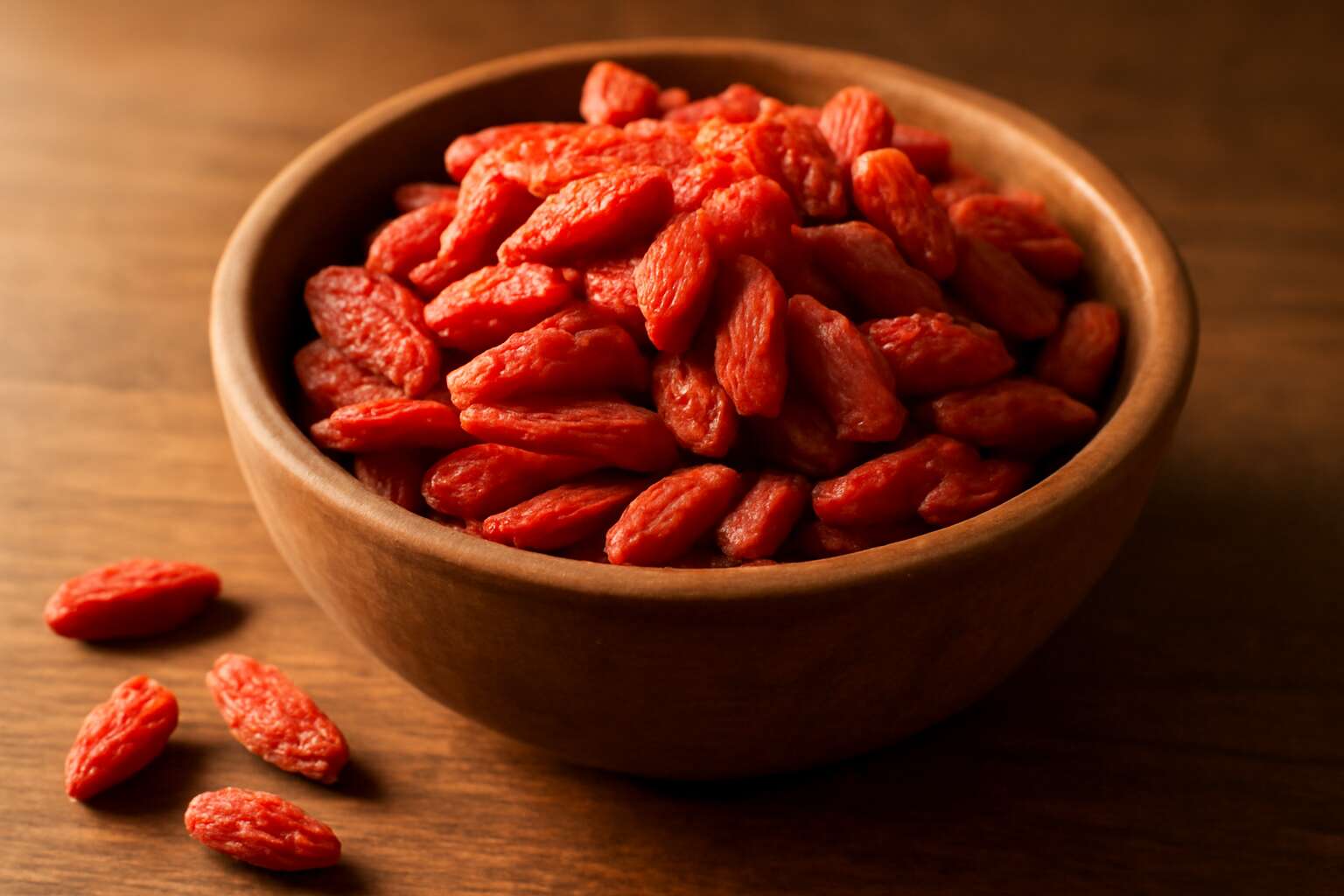
Goji Berry Taste Profile
Overview of Flavor
Across South Africa, a recent wellness survey found that 73% of shoppers crave snacks that feel luxurious and nourishing. Goji berries answer that longing with sun-warmed brightness and a whisper of desert sweetness.
Readers wonder how do goji berries taste like, and the answer unfolds like a lyric: a bright berry sweetness with a zippy tart edge, carried on a subtle mineral undercurrent.
- Bright berry sweetness
- Tart cherry-like tang
- Earthy, mineral undertone
- Chewy, wine-like texture when dried
In markets from Cape Town to Pretoria, these berries carry a memory of sunlit orchards and distant arid landscapes, a glamour both rooted and aspirational.
Sweetness and Tartness Balance
Across South Africa’s markets, the goji berry arrives like a sunlit talisman—bright, immediate, never ordinary. A wellness survey shows 73% of shoppers crave snacks that feel luxurious and nourishing, and goji berries deliver that promise in a single bite. So how do goji berries taste like? The answer lies in a careful balance: a sheen of sweetness that never blurs into cloying, kissed by a tart edge that keeps the palate alert.
- Soft sweetness that glows without vanishing into sugariness
- A sharp, cherry-like tartness that brightens the finish
- A subtle mineral undertone that lends depth and character
Sweetness and tartness share the stage with a faint mineral glow, turning each nibble into a tiny myth: sunshine sweetness, a bright tart lift, and a quiet earthiness that lingers after the bite.
Flavor Notes by Form
In South Africa, wellness shoppers report that 68% seek snacks that feel luxurious yet nourishing in every bite, and goji berries answer that call with a form-driven chorus. how do goji berries taste like? The answer unfolds: each form paints a distinct flavor signature that still wears sunshine on its sleeve.
- Whole dried berries: a sun-bright sweetness with a tart snap and chewy bite
- Powder form: a clean, berry-forward aroma that disperses quickly with a hint of citrus
- Oil or paste: a luscious, resinous depth that lingers with a mineral glow
The narrative of texture heightens the sip-like magic, guiding readers through a spectrum that feels both exotic and refreshingly familiar.
Aftertaste and Aromatic Qualities
Shoppers across South Africa chase snacks that feel luxurious yet nourishing, and goji berries answer with a sunlit chorus. how do goji berries taste like, you wonder? The answer arrives as a shimmer of aftertaste and aromatic whispers that travel like a warm veld breeze.
- Sun-warmed sweetness that lingers
- Citrus-tinged brightness with a soft resin note
- Subtle mineral glow that fades to a clean finish
On the palate, the aftertaste holds a gentle warmth—not cloying, just persistently bright—carrying a lingering, sun-kissed finish that harmonizes with South African teatime rituals.
Texture and Mouthfeel of Goji Berries
Dry vs Juicy Texture
A crimson whisper on the tongue stirs the senses, and texture becomes a small drama on the palate. In South Africa, tasters ask how do goji berries taste like when the fruit shifts from dry to juicy. In this land of citrus and coastlines, the berry reads like a dialogue between resilience and release.
Dry goji wear a leathery skin with a firm, resinous bite that concentrates sweetness and a shy tang.
- Dry texture: chewy, raisin-like, with a slightly puckering finish
- Juicy texture: plump and yielding, releasing a bright burst of sweetness
- Transition: when rehydrated, the berry skirts between chewy and tender
Juicy goji, by contrast, loosens its grip with a plump burst and a crisp edge that feels almost nectar-like on the tongue.
Chewiness and Mouth Coating
Texture speaks loudest here in a coastal South African kitchen; how do goji berries taste like becomes a question I savor aloud, a crimson whisper on the tongue before flavor reveals itself.
The chewiness is a deliberate bite—chewy, with a resinous firmness that clings to the roof of the mouth and releases sweetness slowly. A coating gathers, a fine film that threads saliva, making each sip of water a tiny curtain call for the berry’s character.
- Chewy, raisin-like bite that grows sweeter with time
- Mouth coating that leaves a gentle sheen and a tactile memory
- Rehydration transitions the bite toward tenderness
When you chase the narrative further, the mouthfeel becomes a dialogue between resilience and release, the berry’s body yielding without surrender, leaving a clean, bright aftertaste that lingers like a sun-warmed tag on the tongue.
Temperature and Texture Variations
Across sun-warmed pantry shelves and coastal farm stalls, berries become a small ceremony I carry from my grandmother’s pantry. how do goji berries taste like? The answer unfolds as a conversation between temperature and bite, a cadence you feel before you name a flavor. In these South African kitchens, the chew tightens when cold and loosens toward sweetness as it warms—like a tide turning at the harbor.
Temperature and texture drift together, turning a simple snack into memory. Cold storage keeps the bite brisk and the mouthfeel suede-like; room temperature softens the edge; a touch of warmth releases a resinous glow that lingers after the sip of water.
- Cold storage yields a taut chew and a satin mouthfeel.
- Room temperature softens the bite and reveals more sweetness.
- Light warming releases a resinous note that coats the tongue.
Beyond the kitchen window, these small shifts carry the rhythm of rural days—the patient cadence of harvest and hand-me-down recipes. The berry speaks softly, a crimson whisper that travels with the sea breeze, leaving a bright afterglow on the tongue.
Texture in Different Preparations
Texture is memory wearing fruit. In goji berries, dryness coexists with a whisper of sweetness, a taut bite that relaxes as it travels across the palate. This is where the question how do goji berries taste like becomes a map, not a verdict, guiding the senses through the berry’s quiet drama.
- Dried goji: a taut chew, edge of tannin, a light resin on the finish.
- Rehydrated berries: plumper bite, juicier mouthfeel that softens the edges.
- Ground or blended: a velvety dust that coats the tongue with a gentle sweetness.
Across South Africa’s kitchen tables, these textures ride with tea, yogurt, or trail mix, turning each nibble into a memory I recognize before I name it—a quiet existential moment between chew and swallow.
Culinary Uses and Flavor Pairings
Snacking and Breakfast Ideas
Across South Africa’s markets, goji berries are moving from curiosity to pantry staple, with premium shelves reporting a notable uptick this year. I watch them on shelves and in street stalls, and when you ask how do goji berries taste like, you unlock a bright tale of sun-warmed sweetness and citrus zing that lingers after each bite. The note is not overpowering, but it carries depth—bright, clean, and oddly uplifting for morning bowls and afternoon teas.
Culinary uses and flavor pairings reveal the berry’s versatility. It pairs well with yogurt, citrus, nuts, cacao, and ginger; a touch of vanilla or rooibos honey carries its sweetness.
- Granola bowls with yogurt and citrus
- Smoothies with rooibos tea
- Salad toppers with greens and almonds
- Energy bites with oats and nut butter
Snacking and breakfast ideas: sprinkle over oats, fold into amasi, boost mielie pap, or tuck into a jar with seeds for a bright, portable bite.
Fruit and Nut Pairings
Culinary uses reveal the berry’s versatility, and many South Africans wonder how do goji berries taste like: they offer sun-warmed sweetness with a citrus zing that sits lightly on the palate. I reach for them when a morning bowl needs lift.
Fruit and nut pairings amplify their brightness without masking their character. Try these natural companions:
- Yogurt swirls with citrus zest and goji berries
- Almonds or walnuts with cacao nibs
- Ginger and vanilla, bathed in rooibos honey
- Fresh citrus segments to echo the berry’s brightness
In smoothies, salads, and energy bites, the berry leans into poise rather than punch—bright, not overpowering. A splash of rooibos tea or a hint of vanilla keeps the sweetness in check while letting the tang linger pleasantly.
Spice and Herb Pairings
Global sales of goji berries rose 25% last year, signaling that bright pantry staples are sticking. So, how do goji berries taste like? They bring sun-warmed sweetness with a citrus zing that lifts a morning bowl without shouting.
They find a home beyond snack jars too. In South African kitchens, spice and herb pairings echo citrus without masking the berry’s character. Think fresh ginger, lemongrass, and a touch of vanilla to round the glow.
- Mint with orange zest in yogurt
- Ginger and lemongrass in porridge
- Coriander seeds with lime in salads
These pairings let the berry stay bright, letting its citrus note linger on the palate.
Beverages and Dessert Applications
how do goji berries taste like? They carry sun-warmed sweetness with a citrus zing that brightens morning bowls and warm cereals, without shouting. In South African kitchens, they slip into yogurt, porridge, and even savory twined sauces, leaving a whisper of brightness that lingers.
For beverages, goji berries lend a citrus depth to tea, shrubs, and smoothies. Desserts benefit from their paradoxical glow—tarts, panna cotta, and sorbets drift with brightness rather than clashing with sweetness.
- Goji-berry tea with lemon zest
- Smoothies with yogurt, ginger, and citrus
- Panna cotta or yogurt parfaits with citrus zest
- Frozen sorbet or ice pops with a hint of vanilla
In these uses, the berry’s energy stays present, a quiet sun in every bite and sip.
Nutritional Impact on Taste Perception
Sugar Content and Perceived Sweetness
Readers often wonder how do goji berries taste like, and the answer unfolds at the crossroads of sweetness and myth. In South Africa, a sensory panel noted that tasters describe goji flavors as noticeably sweeter when blended into dairy or grain snacks—taste, after all, is memory in motion!
Nutrition sculpts perception. Goji berries offer natural sugars (glucose and fructose) alongside polyphenols that tint aroma and soften bitterness. When the sugar content is balanced by acidity, perceived sweetness rises even if the actual sugar remains modest; drying concentrates both sugars and tart notes, shifting the flavor map.
- Natural sugars: glucose and fructose contribute gentle sweetness without cloying heaviness.
- Polyphenols and acids modulate perceived sweetness and aroma, adding complexity.
- Moisture and texture influence mouthfeel, altering how sweetness lands on the palate.
In South Africa’s kitchens, this interplay invites mindful snacking and creative pairings that honour the berry’s character without shouting over it.
Antioxidants and Flavor Stability
Nutritional impact on taste perception is real; goji berries’ antioxidants sculpt aroma and mouthfeel, nudging sweetness and acidity into a refined balance. Natural sugars mingle with acids, leaving a memory of brightness on the palate.
Antioxidants stabilize flavor during processing and storage. In goji berries, carotenoids and flavonoids preserve aroma and color, supporting a confident, lingeringly bright finish.
- Polyphenols modulate aroma
- Carotenoids protect mouthfeel
- Vitamin C stabilizes aroma compounds
In South Africa’s kitchens, tasters sense this glow; the phrase “how do goji berries taste like” becomes a meditation on memory, balancing tartness with a whisper of sweetness and a long, sunlit finish.
Soaking and Rehydration Effects on Taste
In South Africa’s sunlit kitchens, hydration reveals the truth of goji berries’ character. how do goji berries taste like after a brief soak? “Brighten the palate, steady the mood,” a chef once whispered, and the glow of brightness returns as the bite softens into refined sweetness.
Soaking doesn’t erase nutrition; it tunes perception.
- Rehydration softens texture and releases delicate notes
- Water uptake moderates acidity, revealing smoother tart edges
In this quiet glow, how we perceive sweetness shifts; the soaked goji carries memory of sun and resilience, inviting a contemplative bite.
Safety and Allergen Considerations
In South African rural kitchens, nutrition shapes more than energy; it guides perception. When goji berries enter a brew or tea, the vitamins and minerals temper bitterness and heighten calm. “Brighten the palate, steady the mood,” a chef once whispered, and we feel the truth of balance in a quiet glow.
- Allergen awareness: goji berries are generally safe but may trigger allergies in rare individuals; test small amounts if unsure.
- Interactions: natural sugars can affect certain meds; check with a clinician if you’re on diabetes or anticoagulant therapies.
- Storage and cross-contact: keep separate from sesame or nuts; use clean utensils and dry conditions.
If you ask how do goji berries taste like, you’ll find sun-bright sweetness softened into calm tartness, a sensation that lingers with a gentle coat on the tongue. Nutrition supports perception, antioxidants stabilise flavors, and careful preparation invites safer enjoyment.




0 Comments