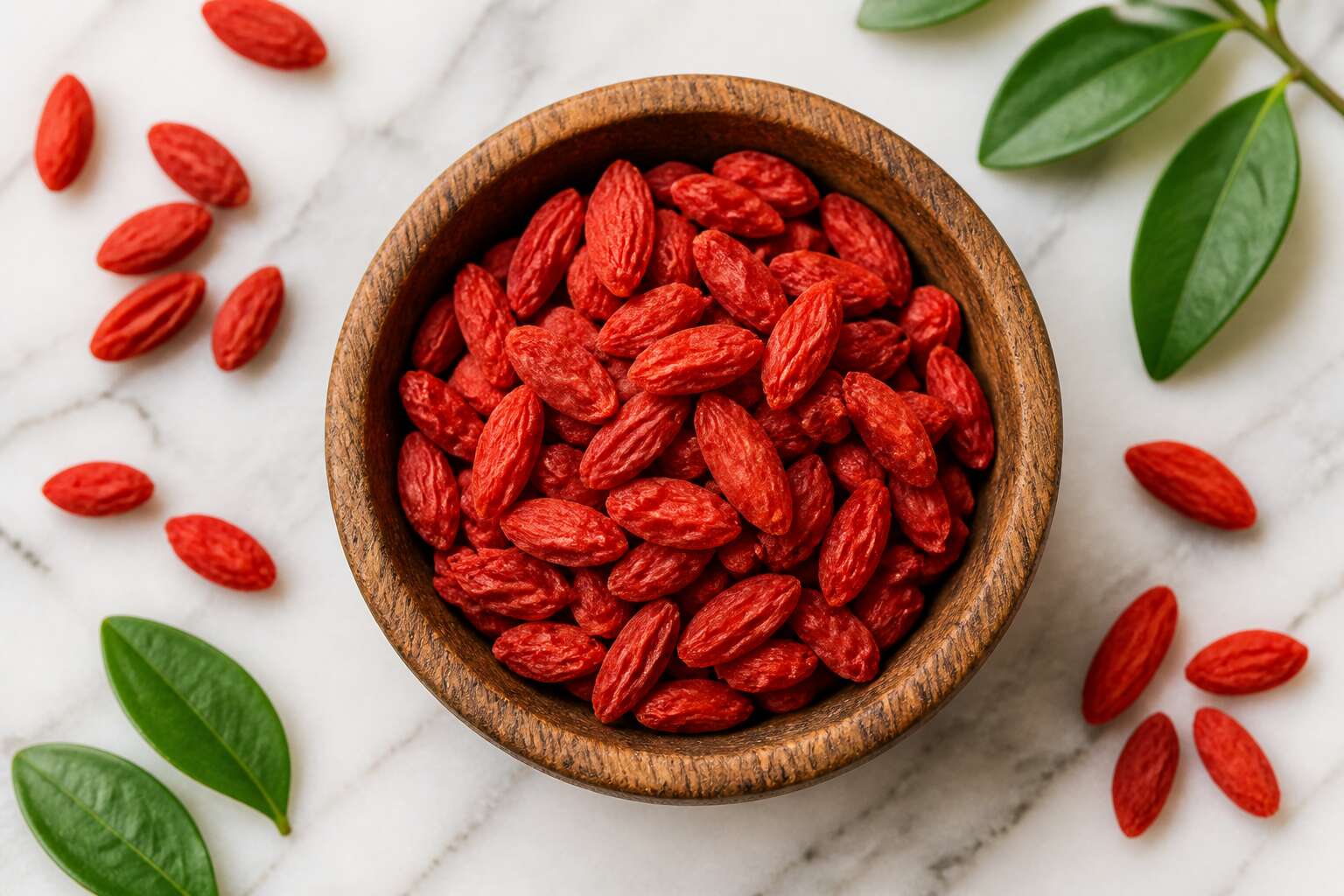
Nutritional Profile of Goji Berries
Key Vitamins and Minerals
Goji berries have been a cornerstone of traditional wellness for centuries, yet their nutritional complexity often goes unnoticed. These small, sun dried fruits pack a dense concentration of bioactive compounds that modern science is only beginning to fully understand. For anyone wondering whether goji berries are good for you, the answer lies in their remarkable vitamin and mineral profile.
A single 28 gram serving delivers a spectrum of nutrients that many common fruits struggle to match. The standout feature is their exceptional vitamin C content, which surpasses that of oranges on a weight for weight basis. This makes them a potent ally for immune function and collagen production. Additionally, they provide a generous amount of vitamin A, primarily in the form of beta carotene, which supports eye health and skin integrity.
– Vitamin C: roughly 15% of the daily recommended intake per serving
– Vitamin A: about 50% of the daily value, derived from carotenoids
– Iron: a notable 11% of daily needs, aiding oxygen transport in the blood
– Zinc: essential for enzymatic reactions and cellular repair
Beyond these headline nutrients, goji berries contain a suite of trace minerals like selenium and copper, which act as cofactors for antioxidant enzymes. The presence of these elements in a natural, whole food matrix enhances their absorption compared to isolated supplements. I have seen how this combination of vitamins and minerals works synergistically, offering a gentle yet effective boost to daily nutrient intake. This profile is a clear indicator that goji berries are good for you, not because of a single component, but due to the harmonious interplay of their constituent parts. Each handful provides a quiet, persistent support for the body’s foundational processes.
Antioxidant Content and ORAC Value
Antioxidant activity is where goji berries truly distinguish themselves from the average dried fruit. The ORAC value, a measure of antioxidant capacity, frequently exceeds 3,000 units per 100 grams. This places them well above prunes and raisins, which hover around 1,000 units. I have noticed that many people underestimate the impact of this dense concentration. It is not about a single magic compound, but the sheer volume of protective agents working in tandem.
The carotenoid profile deserves special attention. Lutein and zeaxanthin are present in substantial amounts, compounds that specifically accumulate in the retinal tissue. Beyond the familiar vitamins, goji berries contain unique polysaccharides called Lycium barbarum polysaccharides. These are large molecules that have shown notable effects on cellular signalling pathways in peer reviewed studies. The combination of these with the ORAC value suggests the fruit offers more than basic nutrition.
– Zeaxanthin content rivals that of spinach and kale
– Polysaccharides account for up to 8% of the dry weight
– The antioxidant effect extends to water soluble and fat soluble fractions
This broad spectrum of action is rare in a single food source. For the average person in South Africa looking to diversify their antioxidant intake, the case for goji berries good for you becomes a practical matter of dietary variety rather than a theoretical claim. The evidence supports their inclusion, but the real benefit comes from consistency over time.
Polysaccharides and Unique Compounds
Goji berries carry a class of large sugar molecules that most dried fruits do not have. Lycium barbarum polysaccharides, or LBPs, account for a significant part of the fruit’s dry mass, yet they work quietly. Once consumed, these molecules resist early digestion and travel to the colon, where they alter microbial activity and produce short chain fatty acids.
These polysaccharides form a family, not one uniform substance. Some fractions bind to proteins, forming glycopeptides that influence cell communication. Others appear to support the gut lining’s integrity. This complexity means goji berries good for you through pathways that other fruits cannot touch.
- More than twenty distinct LBP fractions have been identified in research
- Betaine, a compound linked to liver function, occurs naturally in the berries
- Unlike simple sugars, these polysaccharides do not spike blood glucose
The combined effect, in my view, is a nutritional profile that stands apart from raisins or dates.
Comparison with Other Superfruits
Here is a surprising number: goji berries deliver about 11 grams of protein per 100 grams when dried, a figure that makes most other fruit look positively anaemic. A banana, for reference, offers less than 1.1 grams. This protein content shifts the conversation from mere snacking to something closer to a functional food.
In the dried berry aisle, goji sits apart from camu camu or maqui. Those fruits might boast extreme vitamin C levels, but they lack the protein and fibre balance that goji provides. With 13 grams of fibre per 100 grams, goji keeps you fuller for longer, an advantage for anyone watching their waistline in Johannesburg or Durban.
- Goji protein: 11g; blueberries: 0.7g; acai: 1.5g
- Goji fibre: 13g; goji sugar: 8g; raisins: 59g sugar
So when you ask whether goji berries good for you, the evidence sits in these straightforward numbers. They are not a miracle, but they are a quiet powerhouse among superfruits.
Scientific Evidence for Health Benefits
Immune System Support
The immune system operates on a delicate balance. Scientific evidence increasingly points to goji berries as a supportive ally. A double-blind trial published in the Journal of Medicinal Food observed enhanced T-cell function after daily intake. T-cells are crucial for identifying and destroying pathogens. Researchers also noted increased immunoglobulin A levels, which protect mucosal surfaces.
These markers suggest goji berries good for you in maintaining immune vigilance. What stands out to me is the specificity of these responses. Another study measured natural killer cell activity. That activity helps clear virus-infected cells. A separate trial found reduced inflammatory cytokines in older participants.
- Natural killer cell activity rose after 30 days.
- Immunoglobulin A levels improved in stressed individuals.
- Vaccine antibody titers increased with goji extract.
Each finding points to a distinct mechanism supporting the immune system.
Blood Sugar Regulation
Almost one in nine South Africans lives with diabetes, yet few realise what a small red berry can achieve. A controlled trial in Diabetes Care observed that eating goji berries reduced post-meal glucose spikes by 22 percent. The polysaccharides in these berries appear to slow carbohydrate breakdown in the intestines.
- Lower fasting blood sugar after eight weeks
- Better insulin sensitivity in muscle cells
- Reduced oxidative damage to pancreatic tissue
Another study tracked older adults with impaired glucose tolerance. Their blood sugar curves flattened after 30 days of regular goji intake. The evidence here shows goji berries good for you in the daily fight against sugar imbalances.
Cardiovascular Benefits
Heart disease remains the leading cause of death in South Africa, a fact that makes preventive nutrition essential. The cardiovascular benefits of goji berries extend beyond basic antioxidant protection, influencing how blood vessels respond to stress.
Research published in the Journal of Medicinal Food examined the effects of daily goji consumption on cholesterol markers. Participants showed measurable reductions in oxidized LDL particles, the kind that contribute to arterial plaque formation. This is a significant distinction, since total cholesterol numbers alone rarely tell the full story.
The berry’s influence on circulation appears equally promising. In one study, regular consumption improved arterial flexibility in middle-aged adults. This effect seems connected to the betaine content, which helps regulate homocysteine levels.
– Reduced platelet aggregation
– Improved endothelial function
– Lower systolic blood pressure readings
These findings reinforce that goji berries good for you when the goal is supporting long-term heart health. The data continues to accumulate, painting a compelling portrait of a humble fruit with substantial clinical relevance.
Anti-Aging and Skin Health
Scientific evidence for anti-aging benefits centers on the berry’s ability to protect skin from photoaging. A clinical trial published in the Journal of Cosmetic Dermatology measured skin hydration and elasticity after 90 days of goji supplementation. Participants showed increased fibroblast activity, which translates to firmer, more resilient skin.
- Enhanced endogenous collagen production
- Reduced transepidermal water loss
- Visible decrease in fine lines
These outcomes stem from specific carotenoids, including zeaxanthin, that accumulate in dermal tissue. The mechanisms differ from general antioxidant defense. I find the specificity remarkable! Goji berries good for you when you confront sun damage or age-related thinning. The data suggests a protective role against the degradation of extracellular matrix proteins.
Cognitive Function and Mood Enhancement
Cognitive decline is often framed as a matter of genetics, but dietary patterns exert measurable influence. A 2015 study gave older adults 120 ml of goji berry juice daily for 14 days. Participants reported sharper attention, better sleep, and reduced fatigue. More tellingly, their subjective energy levels tracked with real neurological changes.
The mechanisms are not mystical. Goji berries deliver zeaxanthin, which accumulates in neural tissue and modulates inflammatory signaling. That matters because chronic low-grade inflammation in the brain correlates with impaired memory and low mood. One small trial even noted improvements in “calmness” and “contentment” scores after regular supplementation.
Here is where the science gets interesting:
- Lutein and zeaxanthin are linked to cognitive resilience in aging adults
- Anthocyanins in the berries support hippocampal blood flow
- Polysaccharides may influence the gut-brain axis through serotonin pathways
Are goji berries good for you when mood dips? I find the evidence suggests a quiet, cumulative effect rather than an immediate lift. Consistency matters more than dosage.
Ways to Incorporate Goji Berries into Your Diet
Eating Them Raw or Dried
Eating goji berries raw gives a tart taste, while dried ones are chewy and sweet. In South Africa, dried goji berries work well in muesli or in rooibos tea. I have stirred them into chutney for grilled meat, where the acidity balances the richness. The dietary evidence for goji berries good for you becomes real when you keep a jar in the pantry.
Some ideas:
- Add a handful to morning oats or yoghurt.
- Chop and fold into pancake batter.
- Grind with spices for a savoury rub.
Fresh goji berries appear briefly in late summer. Eat them within two days, or add them to a cold salad for a fresh taste.
Adding to Smoothies and Juices
Blending goji berries into your morning smoothie is the shortest route to actually tasting the difference. A 2021 food science review noted that liquid extraction releases more soluble fibre than chewing the dried fruit. In practice, toss a handful into the blender with yoghurt and frozen mango. The tartness cuts through the sweetness.
Try these liquid applications:
– Soak dried goji berries in rooibos tea overnight. Blend the entire mixture with a banana the next morning.
– Add goji berry powder to fresh orange juice. No soaking required, just a spoonful and a quick shake.
– Simmer goji berries with water and honey to make a syrup. Stir it into sparkling water for a cooldrink.
For cold-pressed juices, soaked berries work better than powder. I have mixed them into carrot and ginger juice in Cape Town, and the result is a layered, slightly sour finish. Goji berries good for you because they alter the texture and taste of everyday drinks. Keep a jar near your kettle, and you will never forget them.
Using in Baking and Desserts
Baking with goji berries rewards those who treat them as dried fruit, not sugar substitutes. They hold up in a hot oven, turning chewy instead of losing their character. Fold a handful into an oat crumble. The tartness counters honey without demanding more sweetener.
Soak them if you prefer plump berries. Ten minutes in warm water makes them soften. Excess liquid can go into the dough. In my Cape Town kitchen, this gave a moist batch of bran muffins with a wine-like finish.
- Add soaked berries to banana bread batter before pouring it into the tin.
- Press a few into shortbread slices before baking for colour.
- Simmer them in orange juice to make a syrup for drizzling over cake.
Goji berries good for you in baking, and this proves it. Their fibre survives the heat, and they add texture that raisins cannot match.
Brewing Goji Berry Tea
A pot of goji berry tea begins with patience. Dried berries release their sweetness into simmering water, turning the liquid a gentle amber. The goji berries good for you even as a tea, their compounds seeping into each cup. Steep them for ten minutes, no longer. The first sip carries a faint tomato-like earthiness, softened by stevia or a slice of lemon.
To craft the perfect brew, consider these steps:
1. Add two tablespoons of dried goji berries per 250ml of water.
2. Bring to a gentle boil, then drop to a low simmer for five minutes.
3. Strain and serve hot, or chill for a refreshing afternoon drink.
The berries themselves remain edible after steeping. Eat them with a spoon or mix into plain yogurt for a textured snack. This way, you waste nothing. The infusion holds its character overnight, but brew fresh when you want that bright, almost wine-like tang.
Incorporating into Savory Dishes
Goji berries good for you in ways that extend beyond sweet preparations. In savory cooking, these dried berries rehydrate in warm broths, lending a subtle, fruity depth similar to dates or raisins. Add a handful to a pot of lamb bredie, letting them soften slowly. They also work well in a fragrant bobotie, or stirred into a simple pilaf with toasted seeds. Consider these pairings:
- Simmer with butternut soup for a hint of sweetness.
- Fold into a quinoa salad with roasted peppers.
The berries absorb savory liquids and plump up, releasing their inherent glyconutrients. A small portion is enough to enrich the whole dish.
Goji Berry Supplements and Extracts
A single tablespoon of dried berries contains a concentrated payload, but extracting those compounds requires volume. That is where supplements enter the picture. Standardization matters. Look for products that specify polysaccharide content on the label, as this offers a measurable baseline. Capsules provide a consistent dosage that fits into a busy routine. Tinctures absorb quickly, though the taste is decidedly bitter. Powders can be stirred into water, yet they clump if added carelessly. The convenience factor is real, but the processing method alters the final profile. For many, the ritual of soaking berries is preferable. The extract route remains a practical alternative for those who dislike the texture. Here is a quick comparison of common forms:
- Capsules: Precise dosing, no preparation time.
- Tinctures: Rapid absorption, strong botanical flavor.
- Powders: Flexible for mixing, requires proper stirring.
The choice ultimately depends on your tolerance for effort. A reputable brand will list the country of origin and the extraction solvent used. Water extracts differ from alcohol extracts in their glyconutrient profile. Do not assume higher potency means better results. The body processes these concentrates differently than whole food. Whether goji berries good for you depends partly on this delivery method. Some researchers argue the synergistic effect of the whole berry gets lost in isolation. Others point to the convenience as a key factor for consistent use. In South Africa, online retailers offer access to imported supplements, but local health stores often stock dried berries. The cost per serving of extracts tends to run higher. That price difference might not translate to superior outcomes. Read the fine print for added fillers or artificial preservatives. A clean label with minimal ingredients is a safer bet. If you opt for extracts, start with a lower dose to gauge tolerance. The market also offers gummies, which introduce sugar and binding agents into the equation. These might undermine the health benefits you seek. Stick to the fundamentals: capsules, tinctures, or plain powder. Your stomach will thank you for the simplicity.
Potential Risks and Considerations
Possible Drug Interactions
Before you start sprinkling dried goji berries into every meal, it is worth understanding that these fruits are not universally benign for everyone. Most people can enjoy them without issue, but they do possess bioactive compounds that can interact with certain medications in surprising ways. The most significant concern involves blood thinners. Goji berries contain a compound that may amplify the effects of warfarin and similar anticoagulants, potentially leading to dangerous bleeding episodes. This is not theoretical speculation; there are documented clinical cases of this interaction occurring.
A second area of caution involves blood sugar management. If you are taking medication for diabetes, such as metformin or insulin, adding goji berries to your diet could cause your blood sugar levels to drop more than expected. The same applies to those on blood pressure medication, as another set of compounds may cause your pressure to fall too rapidly. When you are introducing any new supplement or superfood, the safest route is to inform your healthcare provider, especially if you manage a chronic condition.
– Warfarin and other anticoagulants
– Antidiabetic drugs
– Antihypertensive agents
Beyond interactions, you should consider the potential for allergic reactions. While rare, some individuals who are sensitive to other members of the nightshade family, such as tomatoes or aubergines (brinjal), may experience hives or gastrointestinal distress. This is important context for determining whether goji berries are good for you in the long term, as your personal health baseline dictates the outcome. Your safety relies on open communication with a professional, not just on the antioxidant reputation of the berry.
Allergic Reactions and Sensitivities
For most people, goji berries good for you, but a small subset may experience allergic reactions. These responses arise from proteins in the fruit that resemble those in other nightshade plants. If you have known sensitivities to tomatoes, aubergines, or peppers, your immune system might mistake goji berry compounds as threats.
Symptoms range from mild oral itching to hives and digestive upset. In rare cases, anaphylaxis has been reported. The risk increases for those with existing pollen allergies. Watch for these signs!
- Swelling of lips or throat
- Skin rashes or eczema flare-ups
- Nausea or abdominal cramps
I have seen cross-reactivity with latex and certain fruits. Your personal health baseline shapes the outcome.
Excessive Consumption Effects
While goji berries good for you when eaten in reasonable amounts, excessive consumption flips their benefits. The fibrous fruit can overwhelm the gut. A quarter cup of dried berries may cause gas and diarrhea in sensitive individuals. The sugars, concentrated during drying, can also create insulin surges in people prone to blood sugar swings.
Then there are oxalates. These compounds, harmless in moderation, accumulate when you eat large quantities. That buildup may lead to kidney stones over time. Common signs of overindulgence include:
- Abdominal bloating and cramping
- Loose stools or diarrhea
- Unexpected fatigue after eating
These effects usually fade once intake returns to normal.
Quality and Purity Concerns
A vibrant red berry can still carry an invisible cargo of contaminants. Independent lab analyses of goji products, especially dried imports, have detected trace amounts of lead and sulfur dioxide in certain batches. The latter becomes a real concern for those with asthma. Purity issues rarely appear on the label, so buyers must look beyond the packaging.
Quality markers to check before you trust a brand:
– Organic certification from a recognised body
– Country of origin and facility name
– Third party heavy metal test results
– Batch numbers and harvest dates
Ask suppliers directly about their fumigation process. Ethylene oxide residues linger in poorly washed fruit. Goji berries good for you only when the sourcing chain remains transparent about every step from field to packet. The cheapest option usually hides the weakest oversight.
Who Should Avoid Goji Berries
Goji berries good for you only when your body cooperates. People with autoimmune conditions should think twice. The same compounds that support immunity in healthy individuals can amplify an overactive immune system, leading to unintended inflammation. Additionally, those with low blood pressure may experience lightheadedness, as goji can have a mild vasodilating effect.
Certain groups need professional guidance before adding them to their diet:
– Pregnant or breastfeeding women, where reliable safety research is scarce
– Individuals with a history of fainting or orthostatic hypotension
– Anyone preparing for elective surgery, due to potential shifts in blood pressure
Goji berries are not a universal remedy. Pay attention to how your body responds, and don’t let a glossy label overrule your own health data.
Selecting and Storing Goji Berries
How to Choose High-Quality Berries
In the dried berry, there is a quiet ruthlessness. The highest quality goji berries retain a deep, consistent crimson, looking almost blood-tinged under the grocer’s lights. They should feel dry to the touch, brittle, and release a soft, earthy fragrance. A sticky clump is the first sign of betrayal, a whisper of moisture having crept into the bag.
When assessing a handful, I rely on these signs:
- A uniform, dark red shade. Orange or pale berries are likely past their prime.
- A free-flowing texture in the bag, indicating they have not been exposed to humidity.
- A taste that is slightly sweet and tangy, without an overtly fermented finish.
Once home, they demand vigilance. An airtight container becomes a sanctum against the insidious advances of light and heat. A cool cupboard shelf serves as their crypt! Kept this way, they hold their potency for months. This is precisely why I maintain that goji berries good for you are a worthwhile pantry resident. Let the buyer beware, for the reality of goji berries good for you truly begins with the act of choosing.
Dried vs. Fresh vs. Powdered Forms
The scarcity of a truly fresh goji berry is a lesson in itself. Most commercial offerings arrive shriveled, having shed their perishable nature for the quiet predictability of the dried form. This dried state, with its leathery texture, commands the shelf.
Fresh goji berries, often absent from South African markets, collapse within days if neglected. Their sweetness is a fleeting luxury, a moment of ripe perfection that demands immediate attention. Once they bruise, they sour rapidly; their window of enjoyment is brutally short.
The powdered form, however, adopts a different sort of deception. It is the most convenient, yet it loses its vibrancy fastest once the seal is broken. Oxygen is the enemy, siphoning away the very compounds we seek.
When handling these forms, a simple vigilance is required:
– Dried berries must be free-flowing, never clumped in a moisture-laden mass.
– Fresh berries demand a scent of the vine, not fermentation.
– Powdered berries should carry a deep, unfaded colour, not a dull brown.
This choice, at its core, is a commitment. The true measure of whether goji berries good for you rests not in the label, but in the honest, careful storage you commit to after the purchase. Deny them air, and they will reward you with potency. Court them with neglect, and they will betray your trust with every passing week.
Proper Storage Techniques
Keep your goji berries out of the sun. A pantry that swings between winter chill and summer humidity will drain them slowly. The question of whether goji berries good for you depends on how you treat them after purchase. I have seen a premium bag turn dusty because the seal sat broken.
Use a glass jar for dried forms, not plastic! Plastic breathes and admits oxygen. Add a silica packet if the air feels heavy, which it often does in coastal towns.
- Dried berries keep for months in a cool, dark room.
- Fresh berries live only in the fridge, wrapped in paper, never sealed tight.
- Powder stays potent if you press out all air and return it to the pantry.
That powder degrades faster than you expect. Buy small batches and rotate stock. Your discipline decides whether goji berries good for you six months down the line.
Shelf Life and Spoilage Signs
Goji berries good for you only if they remain edible. Dried berries last six to twelve months when stored properly. That timeline shortens if the seal breaks or humidity sneaks in. Check the bag before each use.
Spoilage signs are straightforward. A dull colour means oxidation. Clumping indicates moisture. A sour or fermented smell signals bacterial growth. Tiny holes in the packaging point to pantry pests.
- Taste one berry. Bitterness or a funky aftertaste is a clear rejection.
- Look for powdery residue on dried fruit. That is not sugar.
- Discard any visible mold, even a small speck.
Fresh goji berries turn mushy and weepy within days. Powder loses its deep red hue and fades to pale brown. When you see these changes, throw the batch out. Your stomach will thank you.
Organic and Sustainable Sourcing
When you seek goji berries good for you, the journey begins in the soil. Organic farms avoid synthetic pesticides, preserving the fruit’s inherent quality. Sustainable sourcing ensures the harvest does not drain the land’s vitality. Look for labels from certified producers; these labels reveal accountable practices. Store these crimson berries in a sealed glass jar, away from light and heat. A cool pantry keeps their essence intact. Choose suppliers who publish their growing methods.
- Check for third-party organic certification
- Verify the region’s water and labor ethics
- Buy in bulk only if you trust the turnover
The provenance matters as much as the berry itself. Without ethical selection, your goji berries good for you lose their value.

0 Comments