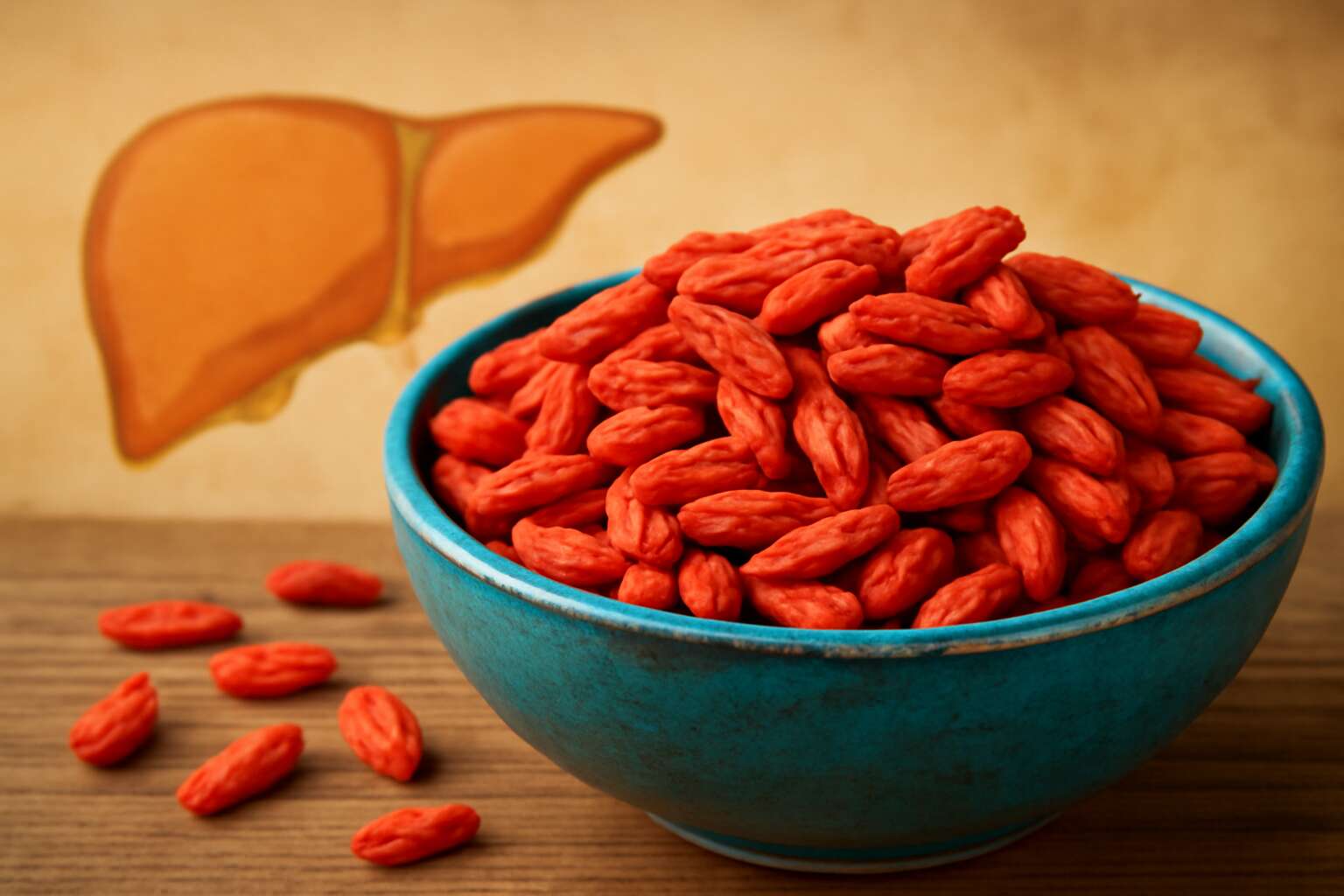
Foundational Nutrition and Liver Health
Overview of Liver Function and the Role of Diet
In the rhythm of South Africa’s mornings, the liver keeps time with every heartbeat, turning meals into energy. “The liver is the body’s quiet chemist,” declares a seasoned nutritionist, and that truth shapes how we eat. The liver, a quiet conductor, refines toxins and stores energy behind the scenes.
- Protein fuels hepatocyte renewal
- Fiber supports toxin elimination
- Healthy fats ease inflammation
The liver orchestrates metabolism, storage, and detox. Diet acts as its compass, balancing glycogen, micronutrients, and bile flow. goji berries liver, with its bright polyphenols, invites us to consider how simple choices influence detox pathways.
Here, nourishment meets resilience on the plate and in the body, a glamorous daily testament to life in South Africa.
Nutritional Components in Goji Berries Linked to Liver Support
Across South Africa’s dawn, the liver keeps time with every breath. The goji berries liver axis reveals how tiny fruits choreograph hepatic rhythms before the day begins. “The liver is the body’s quiet chemist,” a seasoned nutritionist notes, shaping how we imagine food’s role in detox and renewal.
Goji berries deliver foundational nutrition in a single, dusky package: polyphenols calm oxidative stress, dietary fiber supports toxin drainage, and carotenoids like zeaxanthin bolster cellular resilience.
- Polyphenols modulating inflammation
- Dietary fiber aiding toxin elimination
- Zeaxanthin and carotenoids supporting cellular resilience
On South African plates, these quiet gifts turn nourishment into a nightly ritual of resilience.
How Liver Metabolism Benefits from Dietary Antioxidants
“The liver is the body’s quiet chemist,” a seasoned nutritionist notes. Foundational nutrition underpins liver health, providing the daily currency that fuels metabolism and repair. Antioxidants in the diet help the liver neutralize free radicals that accumulate with stress and toxins. In South African kitchens, goji berries liver reveals itself as a practical pattern of nourishment.
Key dietary elements that support this work include:
- Polyphenols contribute to reduced inflammation and help the liver’s response to stress
- Dietary fiber aids toxin drainage via the gut-liver axis
- Carotenoids bolster cellular resilience and protect membranes
These small choices weave antioxidant power into everyday South African dining, reinforcing liver metabolism with steady, practical nourishment.
Safety, Quality, and Selecting Goji Berries for Liver Health
Foundational nutrition is the quiet backbone of liver resilience—minerals, fiber, and essential micronutrients that power daily metabolism. In South Africa, meals stretch across generations, so choosing nourishing staples matters as much as portion size. goji berries liver quality and safety become acts of care.
Opt for organic or clearly sourced goji berries liver from transparent suppliers. Favor minimal processing, no sulfites, and packaging with batch numbers and origin. Choose products backed by independent testing for heavy metals and microbes.
- Origin transparency and certifications
- Minimal processing and no added sugars
- Independent safety testing and clear labeling
In SA markets, visible labels and country of origin guide confident choices, turning a pantry staple into a mindful thread that respects both tradition and science.
Nutritional Profile and Mechanisms Behind Liver Support
Macro and Micro Nutrients in Goji Berries and Their Liver Relevance
In the pantry’s quiet corners, goji berries liver potential hums alongside your body’s metabolism. The nutritional profile is more than trivia; it features macronutrient-friendly fiber, unraveling digestion, plus carotenoids, flavonoids, and vitamins that bolster antioxidant defenses. This is not mere whimsy—it’s the practical, everyday driver of liver resilience, a concept South African eaters can appreciate from Durban to Joburg.
Macro and micro nutrients work in concert with liver processes. Key players include:
- Dietary fiber supporting the gut-liver axis
- Carotenoids such as zeaxanthin and beta-carotene as antioxidants
- Vitamins C and E bolstering detox pathways
- Minerals like iron, zinc, and selenium aiding enzymatic function
In South Africa’s culinary landscape, these nutrients translate into practical meals that align with liver-friendly routines, from breakfast bowls to post-workout snacks, all without fuss or fanfare.
Key Phytochemicals in Goji Berries with Hepatoprotective Potential
In South Africa’s sunlit kitchens, goji berries liver secrets glow like tiny lanterns on a shelf. The idea that a berry can bolster hepatic resilience feels fantastical and true at once, a whispered reminder that the liver thrives on thoughtful fuel. ‘Your liver is a busy factory,’ a SA nutritionist notes—feed it pigment, fiber, and balance, and it keeps humming.
These liver-supporting actions hinge on a careful nutritional profile and protective phytochemicals that steer detox pathways.
- Zeaxanthin and beta-carotene as antioxidant shields
- Polysaccharides supporting gut-liver dialogue
- Flavonoids and phenolics dampening oxidative stress
Together, they help hepatocytes weather daily stresses and support enzymes that transform toxins into safer forms. In Durban breakfasts and Joburg late-night snacks, this profile translates to meals that feel light, bright, and liver-friendly without fuss.
Biological Mechanisms: Antioxidant and Anti-Inflammatory Effects on the Liver
In a city where the liver wears many hats, it handles hundreds of tasks daily—and still keeps humming. Enter goji berries liver, a tiny bright spark whose antioxidants light up hepatic pathways amid daily stress.
Behind the scenes, the nutritional profile of goji berries liver fuels two lanes: antioxidant buffering and selective anti-inflammatory signaling. Bioactives help hepatocytes weather oxidative stress while keeping detox enzymes steady.
- Antioxidants neutralize free radicals and protect membranes
- Anti-inflammatory signaling tempers liver cytokines
- Detox pathways boosted by phase II enzymes
In South African kitchens, these mechanisms translate into meals that feel lighter, brighter, and more balanced—good fuel for a busy liver. For goji berries liver, the science meets everyday eating with a wink.
Practical Dose Ranges and Form Options for Liver Health
Your liver handles hundreds of jobs daily, and it still keeps humming—a miracle with a side of espresso. Enter goji berries liver, a tiny bright spark that nods to the organ’s tireless workload.
Goji berries liver offer a compact nutritional profile: robust antioxidants, polysaccharides, and carotenoids that support the liver’s daily maintenance. These bioactives help hepatocytes weather oxidative stress, temper inflammatory signals, and assist detox enzymes. In South African kitchens, that translates into meals that feel lighter and brighter, giving the liver a friend in the daily hustle.
Practical dose ranges and form options for liver health include:
- Dried goji berries: 10–30 g per day
- Goji berry powder: 3–6 g daily (stir into shakes or yogurt)
- Capsules/tablets: 1–2 g daily, as directed
- Goji berry juice: 100–200 ml daily
Practical Guide to Incorporating Goji Berries for Liver Health
Daily Use Ideas: Smoothies, Breakfast Bowls, and Snacks
A brisk, practical pull to a healthier liver can start with a single, vibrant ingredient—goji berries liver. Their ruby glow looks almost supernatural, but the real magic is how easily they slip into daily routines. I know South Africans juggle busy mornings, so a small berry lift makes a difference without fanfare.
- Smoothies: blend goji berries with yogurt, banana, and citrus for a bright, antioxidant-rich start
- Breakfast bowls: scatter goji berries over oats or millet with nuts and seeds for texture and color
- Snacks: sprinkle a few into trail mix or yogurt cups for a portable, crave-friendly option
Keep the rhythm by rotating fruit and grains—seasonally for fresh taste—and let this humble practice contribute to your long-term liver wellness journey through the berries.
Liver-Friendly Recipes Featuring Goji Berries
Tiny red goji berries can boost goji berries liver health with a daily ritual. In South Africa’s bustling mornings, these portable gems slip into meals without fanfare, turning ordinary plates into quiet acts of care. The link between goji berries and liver wellness is subtle, yet persistent—a gentle signal of antioxidant potential nestled in every bite.
Consider a canvas of grains—millet, oats, pap—with a handful of goji berries, a splash of citrus, and a pinch of toasted seeds. The flavors pop, and the nutrients quietly accumulate, shaping a liver-friendly rhythm that fits the SA table without fanfare.
- Grain bowls with citrus and toasted seeds
- Yogurt cups with a bright berry lift
- Herbed greens for color and crunch
Let the quiet crimson of these berries weave through your plate and your liver’s ongoing story!
Shopping Tips and Storage to Preserve Nutrients
Stock the SA pantry with goji berries for liver-friendly meals. In markets and health shops, dried berries glow with color and quiet sweetness. Choose plump, unsweetened berries and store them sealed in a cool, dark place to guard nutrients.
- Choose unsweetened, 100% goji berries without added sugars.
- Store in an airtight container in a cool, dark place; refrigerate if humidity is high.
- Rehydrate briefly before use to release their flavor in cereals or yoghurt.
For goji berries liver health, mindful use matters—scatter them into grains, yoghurt, or salads to maintain a gentle, liver-friendly rhythm. Check best-before dates and support local producers when possible.
Safety Precautions and Monitoring for Liver Conditions
Across South Africa’s sunlit markets, goji berries liver shine like ember-lit gems, quietly inviting the liver to a gentler, more resilient pace. A seasoned healer once whispered that nutrition is a kind of choreography—each bite guiding internal rhythms. When woven into meals, these berries offer antioxidant whispers and a touch of sweetness that respects the organ’s delicate balance.
- Choose unsweetened, 100% goji berries liver without added sugars.
- Store in an airtight container in a cool, dark place; rehydrate briefly before use to release flavor.
- Consult a healthcare professional if you have liver conditions and plan to include goji berries liver in your diet; ongoing monitoring may be advised.
By embracing mindful portions and listening to your body, goji berries liver can become a subtle ally in your liver-health journey.
Evidence, Myths, and Real-World Impacts on the Liver
Current Scientific Evidence Linking Goji Berries to Liver Health
Evidence on goji berries liver dynamics is evolving. Some studies hint that certain hepatoprotective compounds found in goji berries may modulate oxidative stress and inflammatory pathways in the liver, yet the results are modest and not universally replicated. In practical terms, South Africans encounter these berries as part of an antioxidant-rich diet rather than a panacea for liver woes—take that, miracle-cures!
Myths persist, but here are the most common misperceptions.
- Myth: They cure liver disease.
- Myth: A splash of goji juice can reverse decades of damage.
- Myth: All goji products are safe for every liver.
Real-world impacts hinge on overall diet and medical context. In day-to-day South African kitchens, these berries are enjoyed as part of antioxidant-rich meals, contributing to variety rather than fortification of liver health on their own. Clinicians warn against viewing them as standalone remedies.
Common Myths About Goji Berries and Liver Health Debunked
“Caution is the new cure-all,” clinicians remind us. Evidence about goji berries liver effects is evolving; while some hepatoprotective compounds in these berries may modulate oxidative stress and inflammatory pathways, results are modest and not universally replicated.
Common myths keep resurfacing.
- They cure liver disease.
- A splash of goji juice can reverse decades of damage.
- All goji products are safe for every liver.
In truth, outcomes depend on overall health and medical context.
In practical terms, in day-to-day South African kitchens, these berries are enjoyed as part of antioxidant-rich meals, contributing to variety rather than fortification of liver health on their own. Clinicians warn against viewing them as standalone remedies.
Real-World Experiences and Case Reports
Across South Africa’s kitchens, the question circles: one berry won’t mend decades of damage. Evidence is evolving, and the conversation is lively here. Some hepatoprotective compounds in goji berries liver appear to modulate oxidative stress and inflammatory pathways, but results are modest and not universally replicated. Clinicians urge balanced curiosity, noting that liver health rests on overall lifestyle and medical context rather than a single fruit.
Myths linger: they don’t cure liver disease, a splash of juice won’t reverse decades of damage, and not every goji product is liver-friendly for every person.
Real-world experiences and case reports give texture to the science. In local clinics and kitchens, patients describe subtle shifts in well-being and markers when such berries are included as part of antioxidant-rich meals, not as a stand-alone remedy.
Limitations in Research and What We Need to Know Next
Evidence around goji berries liver shows what researchers dub a cautious shimmer: certain hepatoprotective compounds may modulate oxidative stress and inflammatory pathways, but results are modest and not universally replicated across studies or populations, including South Africa.
Myths linger: they don’t cure liver disease, a splash of juice won’t reverse decades of damage, and not every goji product is liver-friendly for every person.
In real-world settings, patients sometimes report subtle shifts in well-being when these berries are included as part of antioxidant-rich meals rather than as a stand-alone remedy. Yet limitations in research—small samples, varied liver conditions, and product variability—keep certainty modest. What’s needed next is standardized study designs, quality controls, and longer follow-up to clarify the true role in liver health.
- Standardized dosing and product quality
- Long-term safety data in liver conditions
- Harmonized outcome measures and mechanistic studies


0 Comments