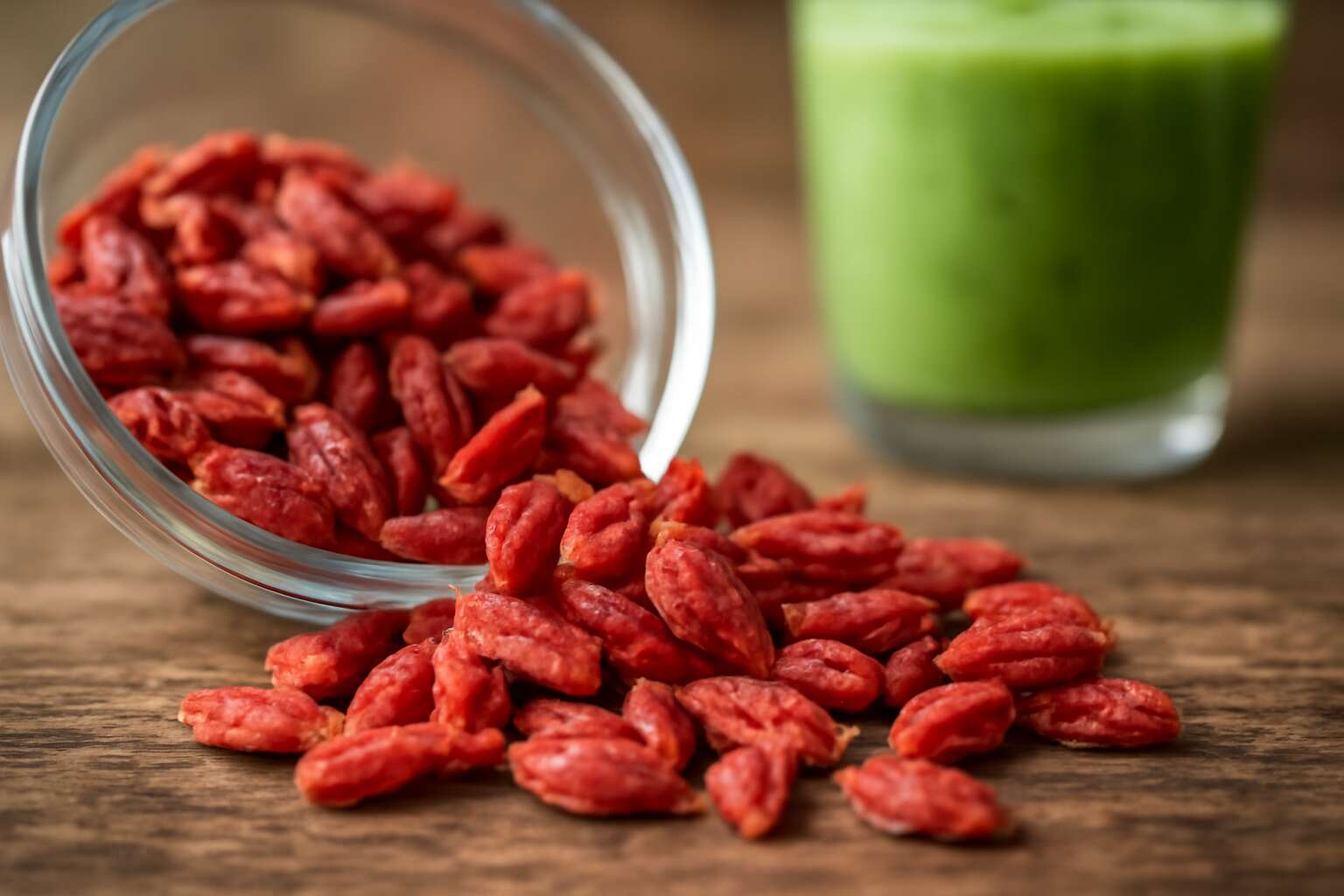
Understanding goji berries and their role in modern diets
What are goji berries and where do they come from
In South Africa’s health‑food aisles, goji berries have become a conversation starter, with SA sales up about 40% last year. Understanding what they are helps separate myth from menu. is goji berries a superfood? The question invites nuance: the berry brings bite-size nutrition—antioxidants, vitamins, and a distinct sweetness that plays well in modern diets.
Goji berries are small red drupes from Lycium barbarum, commonly called wolfberry. Originating in the Himalayan regions and across China and Tibet, they’ve traveled into global kitchens. In today’s diets they’re used to add flavor and color to smoothies, cereals, and trail mixes, blending ancient tradition with contemporary snacking.
- Origins: Himalayas, China, Tibet
- Nutrients: antioxidants, vitamins, fiber
- Usage: smoothies, snacks, baking
In South Africa, these traits help goji berries hold a place as a flavorful, versatile option in modern diets!
Nutritional profile and key nutrients in goji berries
In South Africa, goji berries have become a familiar sight in health-food aisles, signaling modern eating with a whisper of ancient trade routes. I’ve seen them brighten market stalls and lunchboxes alike. This sparks the question: “is goji berries a superfood” in SA kitchen chatter. They bring bite-size nutrition and a cheerful sweetness to smoothies, cereals, and trail mixes.
Understanding their nutritional profile helps explain their appeal in contemporary diets. They deliver antioxidants, vitamins, and fiber—portions small enough to fit into daily snacking without drama. In my kitchen, that translates to quick boosts between meetings.
Key nutrients include:
- Antioxidants supporting cell health
- Vitamin C and other micronutrients
- Dietary fiber for satiety
Historical use and cultural significance
Common forms and ways to consume goji berries
Across South Africa’s wellness-minded kitchens, goji berries slip from pantry to plate with surprising ease. In the bustle of a week, a small handful adds brightness to smoothies, yogurt, or breakfast bowls. is goji berries a superfood? The question surfaces often, yet true value lies in how they mingle with daily choices—tart bursts that feel ancient and personal.
- Dried goji berries — chewy, shelf-stable snack that travels well
- Fresh goji berries — seasonal bursts when available
- Goji juice — a concentrated option for smoothies and drinks
- Goji powder — a versatile addition to shakes, cereals, or baking
Beyond novelty, their appeal lies in texture, color, and micronutrients that can slot into diverse diets without fuss. I notice how they harmonize with local flavors—rooibos, yoghurt, and whole grains—becoming a quiet backbone for everyday meals rather than a trend. The balance is what makes them compelling, not the buzz.
Health benefits supported by evidence and research
Antioxidants, polyphenols, and immune support
In a wellness landscape as diverse as the South African dawn, the question of is goji berries a superfood lingers with luminous certainty—yet science adds nuance. These little berries boast a potent antioxidant profile, rooted in polyphenols and carotenoids like zeaxanthin, which help neutralize free radicals and support healthy aging. Some human studies hint at immune modulation, though results vary and more rigorous trials are needed to draw firm conclusions.
Key components include:
- Polyphenols that help combat free radicals
- Carotenoids such as zeaxanthin supporting cellular health
- Polysaccharides with potential immune-modulating properties
Together, these facets frame goji berries as a nuanced addition to modern wellness narratives rather than a simple label of superfood!
Eye health, vision, and age-related considerations
In the dawn glow of South Africa’s wellness scene, is goji berries a superfood? The answer glimmers with nuance, inviting a closer look at their eye-health potential.
Eye health hinges on carotenoids like zeaxanthin found in goji berries. Some small human studies hint at improvements in visual function and adaptability, yet results vary and larger trials are needed to draw firm conclusions.
- Zeaxanthin-rich carotenoids concentrate in the retina and help filter blue light.
- Antioxidants support cellular resilience in ocular tissues against oxidative stress.
- Polysaccharides may support overall immune and cellular health linked to eye comfort.
Ideally, South Africans consider goji berries as part of a balanced, evidence-informed diet rather than a miracle cure, particularly as research evolves on long-term eye outcomes.
Metabolic health including blood sugar and cholesterol
In South Africa’s wellness aisles, goji berries are trending—but the real story is nuance. The line ‘is goji berries a superfood’ deserves careful reading, because the science points to metabolic nudges rather than miracles, especially around blood sugar and cholesterol.
Small human studies hint modest improvements in glycemic control and cholesterol ratios, but results vary and larger trials are needed to draw firm conclusions about blood sugar and cholesterol.
Consider these potential metabolic-health mechanisms:
- Fiber and polysaccharides may blunt post-meal glucose spikes.
- Polyphenols and antioxidants could support healthier lipid balance.
- Gut microbiota interactions might modulate inflammatory pathways tied to metabolic health.
Taken together in SA, goji berries offer a nutrient-dense option within a balanced diet, though they aren’t a magic bullet for metabolic health—more like a steady co-pilot than a cape-wearing superhero.
Safety considerations and potential side effects
Is goji berries a superfood? The science favors metabolic nudges over miracles. In small human studies, modest improvements in glycemic control and cholesterol ratios have surfaced, yet results vary and larger trials are needed to draw firm conclusions about blood sugar and lipids. In wellness chatter, some ask, “is goji berries a superfood” and seek certainty that glitters; the reality remains cautious and nuanced.
- Allergic reactions and digestive discomfort can occur, especially in sensitivities to berries.
- Potential interactions with anticoagulants or diabetes meds call for medical oversight.
- Some dried or processed forms carry added sugar or contaminants; sourcing matters.
In SA, these berries shine as a nutrient-dense complement to a balanced diet, offering flavor and a fiber boost rather than a miracle cure. When used with awareness, they contribute to a measured, mindful approach to wellness!
Goji berries in the superfood landscape
What it means to be a superfood and how goji fits
Well, a surprisingly large slice of wellness shoppers claim there’s truth in the superfood label: up to 60% look for nutrient-dense claims as they shop. In SA kitchens, goji berries have become a familiar sight in granola bowls and tea blends. So, is goji berries a superfood? The answer hinges on interpretation—it’s not a magic wand, but a nutrient-dense fruit that can fit with balanced diets.
- Dense nutrient density that slots easily into everyday meals
- Low processing and portable convenience for on-the-go lifestyles
- Flexible flavor that pairs with both sweet and savory dishes
Keep in mind, the superfood label exists to inform, not to hypnotize—goji berries sit somewhere on the spectrum of wholesome, tasty, and pragmatic nourishment for South Africans.
Scientific evidence: what is proven and what remains uncertain
Across South Africa’s wellness aisles, nutrition science treads a careful line. Up to 60% of shoppers seek nutrient-dense claims, so is goji berries a superfood? The evidence positions them as a dense cluster of bioactives—polyphenols, carotenoids, and broad-spectrum vitamins—delivering antioxidant potential rather than a guarantee of miracles. In daily meals, they contribute to a varied, colour-rich tapestry rather than serving as a cure-all.
- Proven antioxidant polyphenols and carotenoids support neutralizing free radicals.
- Uncertain long-term clinical outcomes, optimal intake, and real-world bioavailability.
- Context matters: benefits stack with a diverse diet, not as a stand-alone treatment.
While the science is not decisive, goji berries occupy a pragmatic niche—part of a wide, colourful palate rather than a panacea.
Common misconceptions and myths debunked
Across South Africa’s wellness aisles, the question persists: is goji berries a superfood? The label promises brighter health, but science offers nuance: a dense cluster of polyphenols and carotenoids that contribute to antioxidant potential rather than miracles. In rural kitchens and city balconies alike, berries provide color and texture within a varied diet.
Common misconceptions often tip the scale, so here’s what to keep in mind:
- Myth: They alone can cure chronic disease. Debunk: No single food replaces medicine or professional care; benefits emerge within a balanced diet.
- Myth: More is better. Debunk: Higher intake can deliver unnecessary calories or overwhelm flavors; moderation matters.
- Myth: All goji berries are the same. Debunk: Quality, processing, and origin change nutrient profile and taste.
When you ask the question, is goji berries a superfood, the answer lies in context, sourcing, and conversation—not hype.
Incorporating goji berries into a balanced diet
A 37% uptick in goji-related searches across South Africa last year hints at growing curiosity. In the crowded wellness aisles, the phrase “is goji berries a superfood” threads through chatter, yet the science favors nuance: a dense bloom of polyphenols and carotenoids that supports antioxidant potential without miracle claims.
In a balanced diet, goji berries shine when paired with other nourishing foods, not when they stand alone.
- Sprinkle dried goji berries on oats, yogurt, or porridge for color and texture.
- Blend a small handful into smoothies with leafy greens and berries.
- Combine with nuts, seeds, and dark chocolate for a satisfying trail mix.
When you ask is goji berries a superfood, the answer lies in context, sourcing, and conversation—local growers, responsible processing, and thoughtful portions guide the verdict beyond hype.
Practical guide to buying, storing, and using goji berries
Choosing high-quality goji berries: labels, origin, and certifications
In South Africa’s wellness aisles, is goji berries a superfood? The answer isn’t a slogan but a pantry choice. I seek berries that feel firm, glisten with a natural sheen, and carry origin stories you can trust. Labels, origin, and certifications matter—they signal cultivation methods, purity, and honest sourcing in a market crowded with bold promises.
Choose high-quality goji berries by looking for these indicators:
- Organic certification or Global GAP compliance
- Single-origin labeling and full traceability
- Clear non-GMO and allergen information
- Packaging designed to preserve aroma and freshness
Used judiciously, they brighten yogurt, cereals, or a warm tea, turning everyday meals into something a little more ceremonious. They carry their aroma well when treated as a refined pantry staple, inviting a touch of luxury into daily routines.
Dried vs fresh vs powder: selecting the right form for your needs
Goji berries have become the talk of South Africa’s wellness aisles, and yes, the hype travels faster than a lemon squeezer. Curious minds ask: is goji berries a superfood? The answer isn’t a slogan but a pantry decision that hinges on form, storage, and daily ritual.
Buying, storing, and using requires a little backstage theatre. Look for Organic certification or Global GAP compliance, single-origin labeling, and packaging that preserves aroma. Dried berries bring long shelf life and concentrated flavor; fresh berries are more perishable; powder readily mingles into smoothies and sauces.
- Dried: long shelf life and concentrated flavor
- Fresh: more perishable, crisp texture
- Powder: quick to blend into drinks and dishes
Used judiciously, they brighten yogurt, cereals, or a warm tea, turning everyday meals into a refined moment of ritual.
Storage, shelf life, and freshness tips
Across South Africa’s wellness shelves, goji berries spark a quiet revolution, with sales rising 25% last year as homes rethink daily rituals. The question lingers: is goji berries a superfood?
When buying, seek quality marks and provenance.
- Organic certification or Global GAP compliance
- Single-origin labeling and airtight packaging that preserves aroma
- Clear harvest date and best-before information
Storage, shelf life, and freshness guidelines follow the rhythm of form. Dried goji stay fragrant in a cool, dark cupboard in an airtight jar, usable for many months. Fresh goji are fleeting—consume promptly or chill to slow spoilage. Powder rests best sealed and shielded from light, ready to mingle into smoothies and sauces for everyday rituals.
Easy recipes and serving ideas to maximize flavor and nutrition
Across South Africa’s wellness shelves, goji berries glitter with quiet ambition, turning ordinary breakfasts into sunlit ritual. “is goji berries a superfood”—the question tastes of history, but the bowl offers tang, color, and a gentle surge of light!
Buying thoughtfully matters: choose berries with consistent hue, fragrant aroma, and packaging that keeps out light. Prefer dried berries labeled with origin and harvest date; single-origin lots often taste more like their land.
Storage and freshness follow the rhythm of form. Dried goji stay fragrant in a cool, dark cupboard in an airtight jar; know that fresh goji vanish quickly and should be used promptly; powder remains best away from light.
Easy recipes and serving ideas to maximize flavor and nutrition:
- Oats with goji and honey drizzle
- Yogurt bowls topped with berries and nuts
- Salads and grain bowls for color


0 Comments