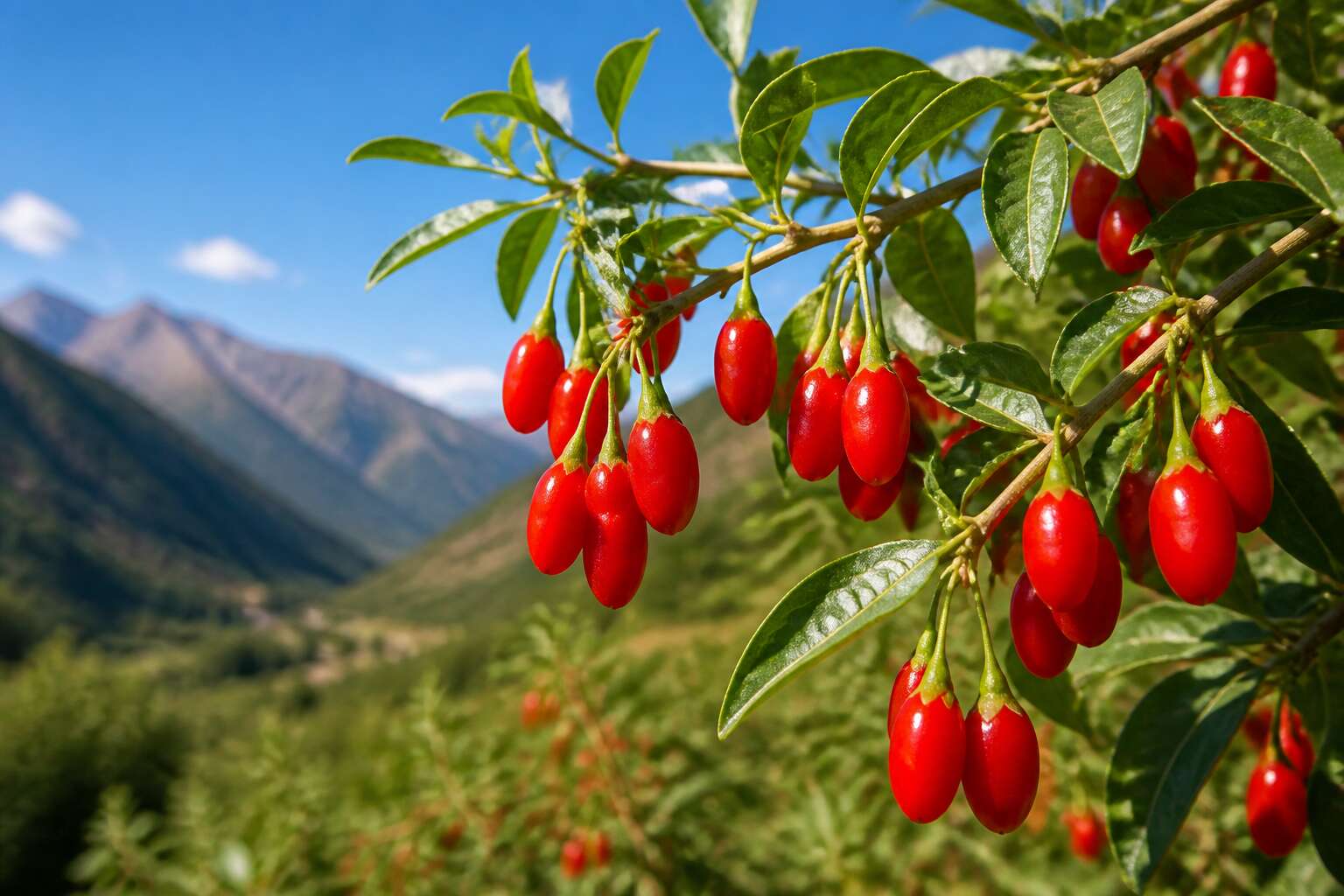
Understanding Goji Berry Hardiness and Weather Tolerance
USDA Hardiness Zones for Goji Berry Plants
Goji berry shrubs tolerate winter lows around -20°C, yet that frost figure alone misses the point. The goji berries climate zone depends on the whole picture: winter chill, summer heat, humidity, and soil moisture. USDA hardiness zones 3 through 9 outline where the plant survives, but South Africa’s patchwork of climates changes how each zone actually behaves. A zone 6 site at the Cape endures damp, wet winters. A zone 6 site in the Karoo stays dry and luminous. Both sit above freezing, yet goji response forever differently.
This is why you need to consider local rainfall cycles more than any map average. Fine weather tolerance in goji extends to drought, yes, but drainage is set in stone.
- Frost season: goji settles into full dormancy
- Wet season: saturated roots cause quick losses
- Hot dry season: canopy drops old leaf, fruit moves slow
Matching the goji berries climate zone to your specific plot, not just a national zone chart, decides the harvest. That one step carries real weight.
Temperature Ranges and Growing Season
Let’s be honest: a hardiness map tells you whether a goji berry plant will survive a bitter winter, but it won’t tell you whether it will thrive under a Cape Town downpour or a Karoo heatwave. The goji berries climate zone puzzle in South Africa is less about the thermometer and more about the weather’s mood swings. A plant that shrugs off -20°C can sulk, drop leaves, or rot outright when its roots sit in winter wet. That’s why the goji berries climate zone conversation shifts dramatically from the Highveld to the coastal belts and the semi-desert interior.
In the Western Cape, winter rainfall creates a different set of rules. Mediterranean conditions mean cool, damp winters and hot, dry summers. Goji berries tolerate this, provided the soil drains like a sieve. Heavy clay turns a mild zone into a death sentence. Conversely, the Karoo’s arid extremes push the plant into survival mode: it halts growth, sheds older foliage, and focuses on root resilience. That’s not a failure; it’s a seasonal strategy. Summer humidity along KwaZulu-Natal’s coast introduces fungal pressure, so air circulation becomes as critical as temperature.
The real trick is matching the plant’s growth cycle to your specific rainfall pattern. Winter chill is essential for dormancy, but excessive cold combined with wet soil invites root rot. Summer heat is fine, yet prolonged humidity without breeze encourages mildew. The goji berries climate zone that works best in South Africa is one where winter is crisp and dry, and summer brings moderate heat with low overnight humidity. Think of the Free State’s dry cold, or the Northern Cape’s intense but brief heat spikes. These conditions mimic the plant’s native Himalayan foothills far more closely than a mild, soggy coastal strip ever will.
Humidity and Precipitation Requirements
Water is the quiet gatekeeper of the goji berries climate zone. A plant can endure freezing nights, but it cannot outrun persistent root moisture. The difference between survival and decline rarely shows up on a thermometer. It shows up in the soil after a storm.
In the winter rainfall region, the goji berries climate zone demands sharp drainage above all else. Loam that dries within days keeps the crown intact. Clay that holds moisture for weeks turns a mild winter into a slow burial. The Karoo reverses the problem. Rainfall arrives in bursts, and the plant responds by pausing growth and hardening its stems.
- Annual rainfall above 800 mm requires raised beds.
- Humidity below 60% during flowering reduces fungal pressure.
Along the KwaZulu-Natal coast, the climate becomes a humidity puzzle. Summer mists hold moisture against the leaves, and mildew finds a foothold where airflow fails. The northern Cape offers the opposite condition. Heat spikes dry the air, and the goji berry pushes roots deeper.
Chill Hours and Dormancy Needs
Some say a goji berry’s true strength is revealed not in the heat of summer, but in the quiet arithmetic of winter. The plant requires a specific accumulation of chill hours, typically between 200 and 400 hours below 7°C, to break dormancy. Without this cold period, the buds remain stubbornly closed, and the spring growth is patchy and weak. This is the internal clock that tells the plant when to wake up.
For growers in the highveld, the winter nights provide these hours without issue. The colder southern Cape regions exceed the requirement, which is fine, as the goji berry tolerates well below its minimum. However, a warmer coastal winter can be a problem. A lack of sufficient chill hours results in a poor, staggered flush of leaves and a reduced yield.
– Delayed bud break, leaving branches bare for weeks.
– Uneven flowering, making harvest times unpredictable.
– A general weakness in new canes, reducing their ability to bear fruit.
I have seen plants in subtropical gardens struggle despite perfect summer heat. The cooling period is the key that unlocks their productive cycle. Hardiness here is not just about surviving a frost event; it is about completing a necessary biological cycle. When the winter is warm, the plant becomes confused. The goji berries climate zone is therefore defined as much by its minimum winter temperature as by its dormant season’s length. The true test of resilience is not a brief freeze, but the steady, cold rhythm that allows the plant to rest and reset for the coming season.
Identifying the Best Growing Regions for Goji Berries
Ideal USDA Zones for Consistent Production
Goji berries are surprisingly adaptable, yet their production consistency hinges on precise regional choices. While a favorable goji berries climate zone sets the baseline, the true differentiator lies in microclimate details. The best growing regions share specific traits that elevate yield and fruit quality.
– Elevation matters: Sites between 300 and 800 meters often provide cooler nights, which intensify flavor without stressing the plant.
– Air drainage is critical: Frost pockets ruin spring blooms, so gentle slopes that allow cold air to flow downhill outperform flat valleys.
– Soil composition: Well-drained, sandy loam with a pH between 6.5 and 8.0 mirrors their native Himalayan habitat.
Regions that combine these factors, such as parts of the Karoo or the Free State highveld, consistently outperform warmer coastal areas. The secret is not just finding the right goji berries climate zone, but understanding how local terrain modifies it. Seek out spots with ample sun exposure and protection from strong winds, and you will secure a steady, abundant harvest year after year.
Arid and Semi-Arid Climate Advantages
In the Northern Cape’s semi-arid fringe, commercial goji plantings show fungal disease incidence below 3%, a figure humid coastal regions rarely match. This statistic reframes the goji berries climate zone conversation. Aridity dictates whether production stays clean and consistent.
I have watched goji rows in the Karoo outproduce their coastal counterparts by a wide margin. Mild water stress, applied through controlled irrigation, triggers defensive secondary metabolites that deepen the berry’s nutrient profile. Arid nights limit dew formation, which keeps blossoms dry during critical pollination windows.
Three markers identify the best arid regions:
- Diurnal temperature swings above 15 degrees Celsius
- Low relative humidity during fruit set
- Well drained soils with strong solar exposure
In the Northern Cape’s semi-arid fringe, commercial goji plantings show fungal disease incidence below 3%, a figure humid coastal regions rarely match. This statistic reframes the goji berries climate zone conversation. Aridity dictates whether production stays clean and consistent.
I have watched goji rows in the Karoo outproduce their coastal counterparts season after season. Mild water stress, applied through controlled irrigation, triggers defensive secondary metabolites that deepen the fruit’s nutrient profile. Arid nights limit dew formation, keeping blossoms dry during critical pollination periods.
Three markers identify the best arid regions:
- Diurnal temperature swings above 15 degrees Celsius
- Low relative humidity during fruit set
- Well drained soils with strong solar exposure
Humid Subtropical Considerations
Humid subtropical regions produce more foliage than fruit. That reality defines the goji berries climate zone across KwaZulu-Natal’s coastal and midland districts. Rainfall arrives during summer fruiting, and moisture lingers on leaves through warm nights. In my experience, growers must manage canopy density with precision, because conditions shift dramatically once relative humidity stays above 70 percent for weeks at a time.
Some regions produce exceptional leaf growth but weak flowering. Others, such as the mistbelt areas, receive orographic rainfall that keeps soils moist but also invites bacterial blight. The best subtropical sites share:
- Elevation above 900 metres, which moderates night heat
- A dry autumn window before harvest
- Slope orientation that catches morning sun and dries dew quickly
These features do not eliminate humidity. They reduce its consequences.
Highland and Temperate Climate Suitability
In highland regions, goji berry plants develop a sharper relationship with frost. Above 1,300 metres, elevation brings consistency, and the early autumn cooling lets plants finish fruiting without the lingering moisture found on lower ground. I have seen this in KwaZulu&x2019;s western highlands, where intense December heat gives way to cold, clean nights in late February. These sites need no persuasion. The calendar carries them.
The goji berries climate zone for temperate South Africa splits around winter moisture. The Western Cape captures fruit quality with dry summers, while the interior plateaus rely on heavy winter frost to arrest growth. Both deliver the same thing: a defined rest period that the plant reads as a signal.
- Free State and Lesotho foothills, where cold accuracy arrives without fail
- Eastern Cape highlands, west of the escarpment
- Northern Cape dry ridges, where daily air movement prevents fungal pressure
When you find a site like this, the goji berries climate zone becomes a shared commitment between you and the weather. High elevation and moderate temperatures do the heavy lifting.
Coastal vs. Continental Climate Effects
Salt-laden wind and steady ocean temperatures define the coastal goji berries climate zone. The ocean moderates extremes, but it also holds humidity close. I have watched vines along the Western Cape coast grow vigorous, only to see the fruit soften in the marine layer. Fog that burns off by noon is fine. Fog that stays all day is not.
Continental sites answer differently. The Karoo and the Free State interior swing sharply between day and night. That swing concentrates sugars and keeps fungal pressure low. Dry air keeps the leaves clean and the fruit firm. The harvest shows the difference. Coastal berries often ripen a week later, and the flavour is less concentrated.
The practical difference:
- Coastal: stable warmth, higher humidity, slower ripening
- Continental: extreme swings, low humidity, denser fruit
The goji berries climate zone is defined by these contrasts, not by a single number on a map.
Overcoming Climate Challenges in Marginal Zones
Protecting Plants from Extreme Cold and Frost
The goji berry climate zone primarily spans USDA hardiness zones 5 through 9. This range provides the winter chill and summer warmth the plant requires for optimal fruiting. Gardeners in South Africa should identify their local conditions against this standard to ensure success.
Within this zone, the plant demonstrates strong resilience. Established goji berry plants can survive winter temperatures dropping to minus 20 degrees Celsius. This hardiness makes them suitable for the colder, high-altitude regions of the country. The plant enters a natural dormancy period during winter, which is essential for the next season’s growth. Exposure to adequate chilling hours, generally between 100 and 200 hours below 7 degrees Celsius, is necessary for flower bud development.
The climate zone also includes hot summer areas. Goji berries are native to regions with intense sunlight and high heat. They can withstand temperatures exceeding 40 degrees Celsius, provided they receive sufficient water. The Western Cape and interior regions offer this necessary summer heat. However, the plant performs best with some afternoon shade in the hottest climates to prevent leaf scorch.
The humidity levels within a specific goji berry climate zone are a critical factor. The plant prefers arid or semi-arid conditions. High humidity, common in coastal KwaZulu-Natal, can create an environment where fungal diseases thrive. Good air circulation is vital in these areas. Planting on a slope or in an open position helps keep the foliage dry.
Water management depends on the rainfall patterns of the local climate zone. In the winter rainfall region of the Western Cape, goji berry plants will require supplemental irrigation during the dry summer months. The plant is drought-tolerant once established but yields more fruit with a regular watering schedule. In the summer rainfall regions of Gauteng and Mpumalanga, the natural rainfall is often sufficient.
The soil within the intended growing area modifies the climate zone’s effects. Goji berries need well-drained soil. Prolonged exposure to wet, heavy clay soil can cause root rot and kill the plant. A sandy loam soil that drains quickly is ideal for navigating the conditions of a marginal climate zone.
Selecting the correct microclimate is also important. A site protected from strong winds, which are common on the Highveld, will reduce physical damage to the fragile branches. A north-facing wall or structure can create a warmer microclimate, protecting the plant from frost damage and extending the effective climate zone. This placement is beneficial in cooler areas like the Free State.
The combination of warm summers and cold winters defines the viable goji berry climate zone in South Africa. Matching the plant’s requirements for cold, heat, and dry conditions to a specific garden location will lead to a healthy, productive plant.
Managing Heat Stress and Sunburn
Heat stress in marginal zones separates the curious from the committed. The goji berries climate zone might include your postal code, but that does not stop February from frying your plants. Leaves droop, edges turn brown, and fruit develops pale, bleached patches. Sunburn on goji berries looks exactly like what it is: the plant regretting every life choice leading to this moment.
Shade cloth is the obvious fix. Water timing matters too, and so does mulch in sandy soils. Consider the signs:
– Drooping that does not recover by evening
– Scorched fruit on the sun side
– Leaf drop in midsummer
Gardeners in the Northern Cape interior understand this struggle. The goji berries climate zone may say viable, but the sun says let’s negotiate. Afternoon shade from a wall or tree gives the plant critical recovery time. Hot, dry wind speeds up moisture loss, so a simple windbreak often tips the balance between a surviving plant and a thriving one.
Container Gardening for Climate Control
Container gardening turns the goji berries climate zone into a negotiable concept. A potted plant can chase the morning sun, retreat from afternoon heat, or shelter against a warm wall during a cold snap. The soil in a black pot heats up faster than open ground, giving roots a head start in spring.
- Move pots to follow light patterns
- Group containers to create a windbreak
- Use larger pots to buffer temperature swings
In marginal areas, this mobility matters more than the official zone map. You control the drainage, the soil mix, and the exposure. That control turns a borderline location into a productive one.
Using Microclimates and Protective Structures
A stone wall can change everything. In marginal zones, the goji berries climate zone becomes negotiable when you manipulate the immediate surroundings. South African gardens with cold winter draughts or searing summer winds can be re-engineered with simple structures.
Protective elements amplify what the landscape already offers. A shade cloth reduces leaf scorch in the Karoo. A cold frame extends the season on the Highveld. These interventions create pockets where the goji berries climate zone matters less than the microclimate you build.
Consider what each structure must accomplish:
- Retain overnight heat using thermal mass such as stone or water barrels
- Deflect prevailing winds that dry out soil and snap young shoots
- Filter intense afternoon sunlight during peak summer
Regional Climate Adaptation Strategies
Growing in North American Climate Zones
Traversing through North America demands a pragmatic adaptation of regional climate methods. In the damp Pacific Northwest, I plant my goji cultivars on high, mounded berms. This slow and simple act prevents soil collapse during the long wet season, and I recapture it as absolutely standard practice.
The Midwest provides a different lesson. There, I have learned to delay pruning to recalibrate bud emergence. This timing helps dodge the unpredictable late frost, preserving young shoots without relying on plastic coverings or extra energy.
- Rocky Mountain growers rely on slopes facing south to capture weak early sunlight.
- Arizona farms stagger their planting schedules carefully to avoid the midsummer sun.
These adjustments weave well with the altitude, soil moisture, and solar angle of each property. The goji berries climate zone supplies a formal guideline, but the specific farmland, with its existing hedges and drainage, reveals the final decision.
Cultivation in European Weather Patterns
European weather patterns demand a careful reading of local signals. The goji berries climate zone in Southern Europe often brings long drought, while Northern Europe suffers from persistent rain. I have observed growers in Spain using gravel mulch to reflect heat, and those in the Netherlands raising beds to prevent root rot.
A few regional tactics stand out:
- In Provence, pruning is delayed until late winter, matching the dry mistral wind.
- In the UK, plants are trained against south facing walls to capture stored heat.
- In Bavaria, temporary shade nets appear only during the brief blooming period.
These methods respect the weather’s rhythm without forcing extra inputs. This climate zone offers a broad framework, but European microclimates rewrite every rule.
Mediterranean and Dry Summer Climates
Summer drought defines the Mediterranean basin, yet goji berries persist where olives and figs thrive. The goji berries climate zone here rewards growers who treat water as a currency, not a given. I have seen plants in Crete produce heavy crops on less than 300mm of annual rainfall, provided the roots are deep and the canopy is open.
Soil preparation matters more than irrigation in these regions. Clay-heavy ground holds winter moisture, but it suffocates roots when rain finally arrives. A raised mound or slight slope solves both problems. For dry summer climates, the sequence is simple:
1. Amend soil with coarse grit before planting.
2. Mulch with stone, not bark, to block evaporation.
3. Prune hard in autumn to cut transpiration.
4. Water deeply once per fortnight, never weekly sprinkling.
The key error is treating goji like a vineyard. Vines want controlled stress; goji wants a long, slow draw from stored groundwater. Short bursts of surface watering create shallow roots, which then scorch in the late summer heat. The goji berries climate zone across the Mediterranean demands patience. You are not feeding the plant. You are teaching it to find water on its own.
Monsoon and High-Rainfall Regions
Monsoon regions flip the problem entirely. The goji berries climate zone here is defined by surplus, not scarcity. I have watched plants drown in soil that holds water for weeks after a single downpour. Roots need oxygen, and standing water suffocates them faster than drought ever could.
The strategy shifts from water conservation to water removal. Plant on slopes or raised mounds. Mix coarse grit into heavy earth. Keep the canopy open so air moves freely through the branches. In these regions, the sequence looks like this:
- Build raised planting beds before the wet season arrives.
- Test drainage by digging a hole and filling it with water. If it has not drained within an hour, amend the soil.
- Space plants wider to cut humidity around the foliage.
- Harvest fruit before heavy rains split the berries.
The goji berries climate zone in monsoon regions rewards growers who plan for the flood, not the drought. Water is the enemy here, and the grower’s job is to show it the way out.
Seasonal Care and Climate-Specific Cultivation Tips
Optimizing Soil and Drainage for Wet Climates
Heavy rains can kill more goji berry plants than frost ever will. Waterlogged roots suffocate within days. For anyone growing in a wet region, the goji berries climate zone demands a different approach to soil preparation.
Before the wet season arrives, test your drainage. Dig a hole one foot deep and fill it with water. If it takes longer than four hours to drain, you need intervention.
- Coarse sand and perlite mixed into clay soil improve drainage.
- Raised beds or mounds of at least 20 centimeters keep the root zone above standing water.
- Organic matter builds structure without locking in excess moisture.
Seasonal care means amending soil in autumn, before winter rains saturate the ground. Trenching around the planting area can divert excess moisture away from roots.
Irrigation Practices for Different Rainfall Levels
As the seasons turn, the goji berries climate zone changes with water availability. In South Africa, rainfall varies between summer deluges and winter dryness. Irrigation needs constant adjustment. During wet months, I reduce supplemental watering completely and watch for pooling. During dry months, I water deeply but infrequently, encouraging deeper root growth. This plant responds well to careful observation.
Here is a simple truth for growers:
- Regions over 800 mm annual rainfall rely on natural rain.
- Regions under 400 mm require scheduled deep irrigation.
- Between those marks, weekly soil moisture monitoring works best.
Each region has a different rhythm. Adjust as the season shifts.
Wind Protection and Pollination Considerations
South Africa’s varied landscapes make the goji berries climate zone a topic worth studying before you plant. In the Western Cape, winter rainfall sets the rhythm, while Gauteng growers contend with summer thunderstorms. Understanding your local seasonal pattern is the first step toward a thriving harvest.
Seasonal care should always follow the moisture calendar. During wet months, ease off on irrigation and check that soil drains freely around the roots. In dry spells, water deeply once a week to encourage strong root penetration. Wind protection is equally vital, especially on exposed Highveld plots. A simple screen of indigenous grasses or a wooden trellis can shield leaves from scorching gusts and reduce stem breakage.
– Position rows perpendicular to prevailing winds
– Use a north-facing wall or hedge for added shelter
– Apply a thick mulch layer to stabilise soil temperature and moisture
Pollination rarely poses a problem, as goji berries are self-fertile. Still, insect activity boosts fruit set. Planting lavender or wild sage nearby attracts bees during the flowering window. With thoughtful placement and attentive watering, your plants will reward you with generous clusters of red berries, regardless of the local forecast.
Mulching and Ground Cover for Temperature Regulation
In any goji berries climate zone, soil temperature swings can stress the shallow root system. A generous layer of straw or shredded bark acts as a buffer, keeping the ground cooler under intense summer sun and warmer during sudden winter dips. This is especially valuable in arid regions where bare soil heats up quickly. In humid subtropical areas, mulch also blocks soil splash, which reduces fungal spores from reaching lower leaves. For heat-affected spots, light colored gravel reflects radiation instead of absorbing it. Ground cover plants like creeping thyme offer a living alternative that shades the soil without competing heavily with the goji berry bush. These strategies hold true whether you are gardening in the highveld or the Karoo. Consider these practical mulching materials:
– Shredded bark for long lasting insulation
– Compost for steady nutrition and moisture retention
– Landscape fabric for weed suppression beneath the organic layer
Each option helps stabilise the root zone, which matters more than the specific climate zone label.




0 Comments