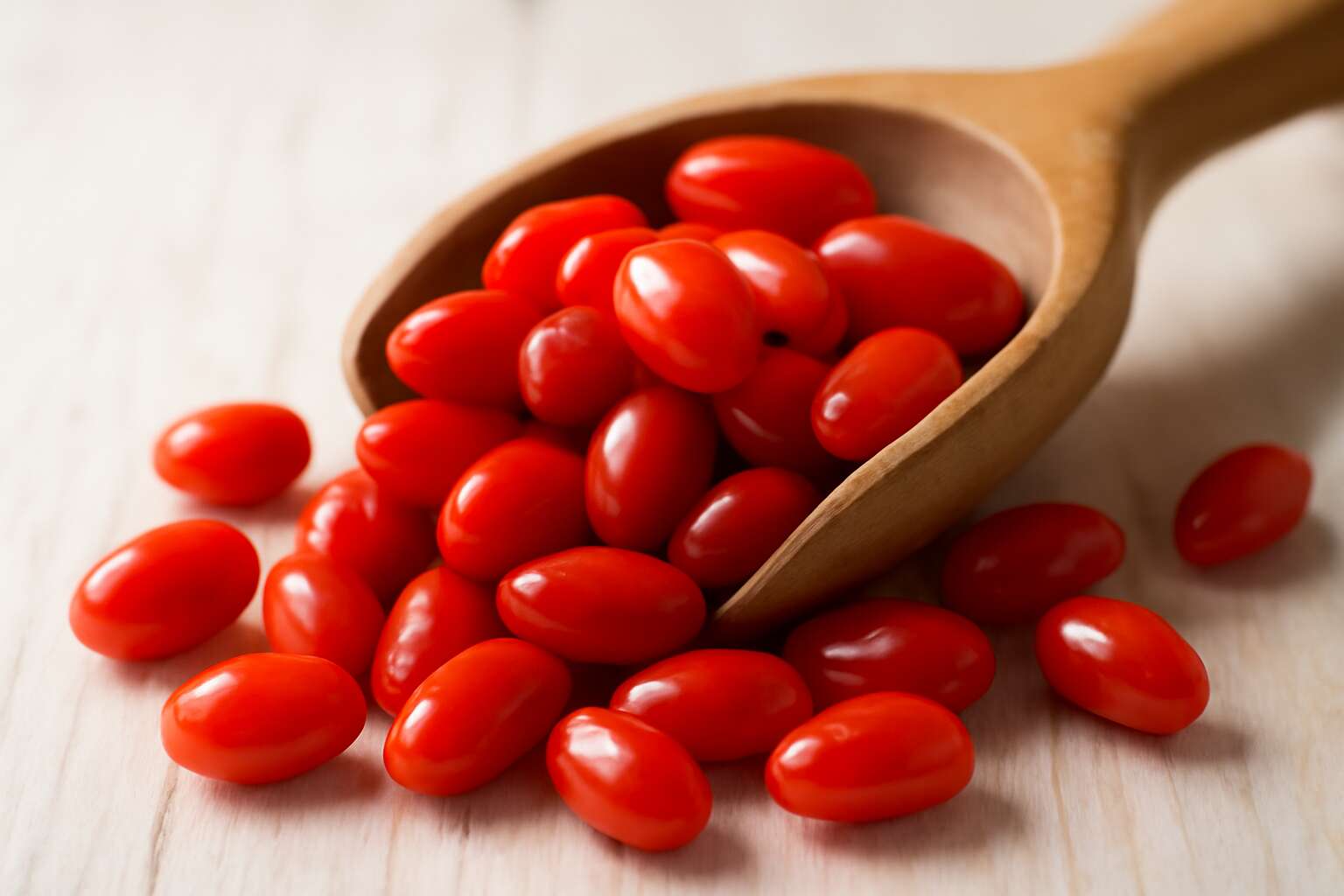
Goji Berries: Overview and Popularity
What Are Goji Berries?
South Africa’s wellness shelves are buzzing, with dried goji berries posting double-digit growth as shoppers seek snackable nutrition. Why goji berries good? Because these tiny red gems bring surprising nutrition in a convenient bite.
What Are Goji Berries? They are small, oval berries from the Lycium barbarum plant, typically dried and sold as snacks. Also known as wolfberries, they carry a hint of sweetness with a tangy finish.
Overview and Popularity: Goji berries have moved from niche snack to pantry staple in households across South Africa. Their appeal rests on portability, shelf life, and a versatile flavour that plays nicely with cereals, yoghurt, and smoothies.
- Antioxidant-rich profile for everyday vitality
- Compact, travel-friendly packaging
- Subtle sweetness that enhances meals without overpowering them
In markets where novelty meets nutrition, these berries stay part of the conversation—an exotic perk that feels both premium and practical.
Nutritional Snapshot of Goji Berries
In South Africa’s wellness aisles, goji berries glitter with double-digit growth, a crimson signal in the snack spectrum. People ask, why goji berries good. They are tiny, jewel-like, and carry a weightier shelf-life than most dried fruits.
From niche indulgence to pantry staple, these berries have found a home on South African breakfast tables and trail-ready snack tins alike. Portable, with a long shelf life and a subtle sweetness, they complement cereals, yoghurt, and smoothies without stealing the show.
Nutritional snapshot of these berries paints a crisp picture of vitality, ideal for everyday routines.
- Rich in antioxidants that support cellular health
- Vitamin C and carotenoids for immune support
- Dietary fiber aiding digestive balance
- Low in calories, naturally sweet without guilt
Historical Uses and Cultural Significance
Across South Africa’s wellness aisles, goji berries have posted a 28% uptick last year—a crimson signal in the snack spectrum. Small as beads and bright as dawn, they invite a closer look at resilience and vitality. This lingering question—why goji berries good—resonates beyond taste, hinting at a quietly persistent wellness philosophy.
From niche indulgence to pantry staple, these ruby droplets have found a home on breakfast tables and in trail kits. Portable, long-lasting, and subtly sweet, they mingle with cereals, yogurt, and smoothies without overpowering the moment. In South African kitchens they symbolize both convenience and care, a small fruit with outsized character.
- Traditional Chinese medicine and longevity symbolism
- Silk Road exchanges that carried the berries to distant cuisines
- Preservation—dried, portable, shelf-stable companionship for travel
This blend of heritage and adaptability keeps goji berries modern and memorable.
Common Varieties and Where to Buy
A 28% uptick in South Africa’s wellness aisles last year signals goji berries are no longer a niche indulgence. They slip easily into oats, smoothies, and trail snacks, adding a crimson spark without overpowering other flavors. So, why goji berries good? They’re portable, long-lasting, and surprisingly versatile— a pocket-sized powerhouse that invites a little daily ritual.
- Red dried goji berries (the supermarket staple)
- Goji juice blends (convenient on the go)
- Goji powders (simple to whisk into drinks)
Where to buy? South African health stores, supermarket wellness aisles, and reputable online retailers stock goji berries year-round. Look for dried varieties or blends from trusted brands, and check labels for minimal added sugars or preservatives—local co-ops and online shops often feature small-batch goji from regional growers.
Goji Berries in Modern Diets
Crimson jewels tucked into a trail mix carry more than color; they whisper about resilience in the pantry. Goji berries have moved from health fad to everyday staple, and retailers across South Africa note steadier shelves and more confident snacking. So, why goji berries good as a daily staple? They are portable, shelf-stable, and easy to integrate into a daily routine—without overpowering other flavors. A small handful can feel like a daily act of self-care, a spark amid busy mornings.
Think of them as a pocket-sized powerhouse:
- Red dried goji berries (the supermarket staple)
- Goji juice blends (convenient on the go)
- Goji powders (simple to whisk into drinks)
Across South Africa’s wellness shelves, goji berries appear in breakfast bowls and smoothie blends, expanding palates without demanding attention. Their versatility and long shelf life align with modern diets that prize convenience and purity.
Key Nutrients and Health Benefits of Goji Berries
Antioxidants and Free Radical Scavenging
In South Africa’s sunlit kitchens, goji berries have become a surprisingly swift favorite, and I admit the trend feels as delectable as a well-timed espresso boost. The numbers tell a tale: they’re moving off shelves faster than many other superfruits, a sign that taste meets benefit in a compelling way.
Key nutrients include carotenoids like zeaxanthin, plus vitamin C and beta-carotene, and a fiber-rich profile that feeds the gut while sustaining energy.
- Zeaxanthin and other carotenoids
- Vitamin C, beta-carotene, and related micronutrients
- Dietary fiber and immune-supportive polysaccharides
This is why goji berries good for antioxidants and free radical scavenging, helping to defend cells and promote resilience in daily life, from office to outdoors under the SA sun.
Vitamins and Minerals in Goji Berries
In SA kitchens, goji berries are a quiet force—they sell out fast, a sign that flavor meets function. The core nutrients include carotenoids like zeaxanthin, plus vitamin C and beta-carotene, and a fiber-rich profile that steadies energy and feeds the gut. This is why goji berries good for daily vitality.
- Zeaxanthin and other carotenoids
- Vitamin C, beta-carotene, and related micronutrients
- Dietary fiber and immune-supportive polysaccharides
All told, these components bolster antioxidant defenses and promote daily resilience, helping you thrive from the desk to the outdoors under the SA sun.
Immune System Support from Polysaccharides
SA shoppers are chasing a subtle miracle: a 42% uptick in goji berry sales over the past year, driven by a belief that flavor can fortify health. Within these ruby-toned berries lies a network of polysaccharides that quietly support the immune system. These complex sugars act like tiny emissaries, signaling immune cells and helping coordinate responses without the jolt of stimulants.
Key immuno-support mechanisms from these polysaccharides include:
- Balanced immune signaling and enhanced mucosal defense
- Prebiotic-like support for gut microbiota
- Steady, anti-inflammatory responses that protect tissues
This is why goji berries good for daily vitality, turning a simple snack into a quiet shield against fatigue and stress under the SA sun.
Eye Health: Zeaxanthin and Vision
Zeaxanthin thrives in the ruby lattice of goji berries, a carotenoid that helps shield the eye from blue light and supports macular pigment. In the berry’s dense matrix, zeaxanthin works with lutein to preserve vivid contrast and sharp vision as daylight marches across the SA skyline. This nutrient duo acts like a quiet filter, reducing glare and sustaining comfort during long screens or bright afternoons.
This is why goji berries good as part of a vision-conscious diet, a small, persistent ally rather than a flashy token. The berries bring not only flavor but a steady trickle of nutrients that may support retinal resilience over time.
- Blue-light filtration aids glare reduction and comfort
- Supports macular pigment and sharp color perception
Blood Sugar and Metabolic Benefits
Balance isn’t glamorous; it’s gradual. In a South African pantry where long days demand steady energy, goji berries offer a quiet metabolic courtesy. Their fiber and natural polyphenols help slow glucose absorption and support insulin response without the drama of crash diets. This is, in a sense, why goji berries good for a metabolism-minded routine.
- Fiber and polysaccharides modulate post-meal glucose spikes
- Antioxidants protect pancreatic function and support metabolism
- Low to moderate glycemic load helps sustained energy
Whether stirred into morning oats or tucked into a late snack, these berries offer a measured benefit for metabolic balance without fanfare.
Goji Berries in Diet: Practical Uses and Tips
Fresh vs Dried Goji Berries: Pros and Cons
In a sunlit South African kitchen, a handful of goji berries can turn a simple breakfast into something hopeful. This is why goji berries good in everyday meals: they offer steady energy and a gentle sweetness that fits rustic porridge or a silky yogurt cup.
Fresh goji berries bring a bright, juicy burst, perfect for smoothies or nibbling straight from the bush. Dried goji berries concentrate flavor and shelf life, ideal for trail snacks or baked oats. Both have their charm, but they suit different rhythms of life.
- Fresh: light texture, quick hydration
- Dried: portable, longer storage
A practical picture emerges: goji berries lend a gentle sweetness to tea or yogurt and a pop of color to a simple greens salad. The choice between fresh and dried depends on your pantry, climate, and the pace of your day.
Incorporating into Breakfast and Snacks
Across South Africa, breakfast bowls lit with goji berries are quietly reshaping the morning ritual; a small handful can brighten oats, yogurt, and smoothies with a sunlit glow. I’ve heard people ask why goji berries good for steady energy and a gentle sweetness that suits everyday meals, from rustic porridge to silky parfaits.
Here are natural ways to fold goji berries into breakfast and snacks:
- Stirred into morning porridge for a subtle sweetness and a pop of color.
- Layered with yogurt or cottage cheese for texture and a bright, berry-like tang.
- Topped on smoothies or oats for a convenient, nutrient-dense finish.
In a South African kitchen, they pair beautifully with rooibos tea, mielie meal-based breakfasts, and seasonally fresh fruits, turning a simple plate into a small celebration of light and energy.
Recipes and Quick Ideas
A berry that carries sun—goji berries have a quiet throne in South African kitchens, a symbol of daily vitality. “A spark in a bowl,” locals murmur, and I’ve felt that glow on mornings when oats meet a handful of dried red gems. In practical terms, this is why goji berries good for steady energy and a gentle sweetness that fits everyday meals.
They fold easily into breakfast rituals: stirred through warm porridge, layered with yogurt for contrast, or scattered over smoothies for a luminous finish. Their tart-sweet notes brighten fruit salads and cheese boards alike, turning modest plates into bright, inviting offerings.
Beyond taste, their color and texture bring a narrative to the table—compact, portable, and surprisingly versatile. In a South African pantry, goji berries act as tiny sunlit accents that pair with nuts, seeds, and seasonal fruit without overwhelming the palate.
Portion Sizes and Daily Recommendations
In diet practicality, goji berries offer a portable sweetness that fits busy South African mornings. Small portions deliver steady energy without a crash, and this explains why goji berries good for daily vitality.
Portion sizes stay simple and friendly to everyday eating. A small handful—about 15 to 20 dried berries, roughly 10 to 15 g—tends to work well as a topping or snack. Daily recommendations hover at 1 to 2 small portions, aligned with activity and sugar awareness.
- 15–20 dried berries (10–15 g) as a topping on oats or yogurt
- 1–2 tablespoons dried goji berries in smoothies or cereals
- Soaked berries to soften, then folded into baked goods for a gentle sweetness
In a South African pantry, their sun-dried hue brightens nuts and seeds without overpowering the palate—a quiet celebration of everyday nutrition.
Safety, Quality, and Myths about Goji Berries
Allergen and Side Effects
Some bites whisper danger; others promise safety. Across South Africa, goji berries are famed for flavor, yet safety matters. They can trigger rare allergies or mild GI upset, and vitamin K can interact with blood thinners—consult a clinician if you’re on medication. For why goji berries good, safety sets the tone.
Quality matters as much as taste. Seek sources with clear origin and clean labeling; avoid heavy additives. In SA, look for organic or Fair Trade seals and clear packaging dates, which signal careful processing.
- Organic or Fair Trade seals indicate careful sourcing.
- Clear origin and batch codes aid traceability.
- No mold or off smells signals quality.
Myths about goji berries abound. Some claim cures; others say they’re universally safe. Truth: reactions vary and interactions with certain medications exist. Awareness keeps choices grounded in reality and clarifies why goji berries good.
Quality Indicators: Organic Labels and Freshness
Across South Africa, goji berry chatter has jumped 35% in the past year, and safety remains the quiet gatekeeper of flavor. They can trigger rare allergies or mild GI upset, and vitamin K can interact with blood thinners—consult a clinician if you’re on medication. This is part of why goji berries good, balancing curiosity with caution—my palate agrees!
Quality matters as much as flavor. Organic labels indicate careful sourcing and cleaner processing; freshness hinges on packaging dates, clear origin and batch codes.
- Organic labels signal careful sourcing and ethical practices.
- Clear origin and batch codes aid traceability.
- No mold or off smells signals quality.
Myths about goji berries abound. Some claim cures; others insist safety is universal. Truth: reactions vary and interactions with certain medications exist. Awareness keeps choices grounded in reality.
Myths vs Facts about Goji Berries
Across South Africa, goji berry chatter has jumped 35% in the past year, and safety remains the quiet gatekeeper of flavor. Allergies or mild GI upset can occur, and vitamin K can interact with blood thinners—consult a clinician if you’re on medication. This is part of why goji berries good deserves thoughtful scrutiny.
Quality matters as much as flavor. Organic labels indicate careful sourcing and cleaner processing; freshness hinges on packaging dates, origin and batch codes.
- Organic labels signal careful sourcing and ethical practices.
- Clear origin and batch codes aid traceability.
- No mold or off smells signals quality.
Myths vs Facts about Goji Berries drift like shadows, but truth remains: reactions vary and interactions with certain medications exist. Awareness keeps choices grounded in reality, and the quiet, patient palates of readers stand firm.
Potential Interactions with Medications
Safety first: while goji berries are generally gentle on the palate, reactions vary. Allergies or mild GI upset can occur, and vitamin K can interact with blood thinners—consult a clinician if you’re on medication. In South Africa, mindful consumption guides safer savoring. This is part of why goji berries good deserves thoughtful scrutiny.
Quality matters as much as flavor. Organic labels signal careful sourcing and cleaner processing; freshness hinges on packaging dates, origin and batch codes.
- Organic labels signal careful sourcing and ethical practices.
- Clear origin and batch codes aid traceability.
- No mold or off smells signals quality.
Myths drift like shadows, but truth remains: reactions vary and interactions with certain medications exist. Awareness keeps choices grounded in reality, and the quiet, patient palates of readers stand firm!



0 Comments