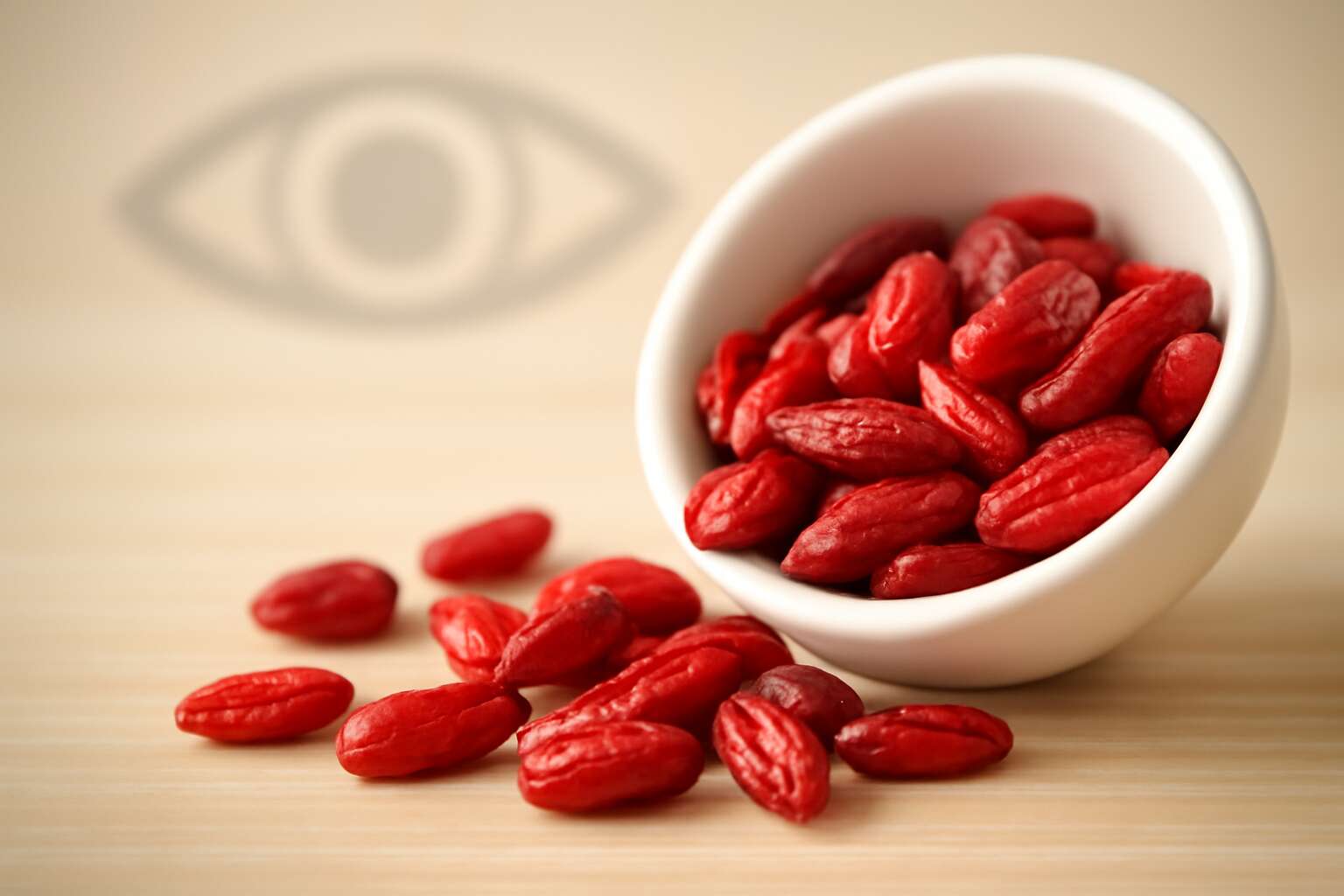
Goji Berries and Eye Health: Key Concepts
Nutrients in goji berries that support vision
In busy urban life, eye strain is a growing companion; nearly 1 in 3 urban South Africans report occasional vision fatigue. The question of how many goji berries for eye health surfaces, but the message lies in the nutrients inside, not a fixed number.
Key Concepts: Nutrients in goji berries that support vision act as quiet guardians of clarity.
- Zeaxanthin and lutein carotenoids protect lenses
- Vitamin C and other antioxidants
- Polysaccharides support immune and ocular health
- Anthocyanins improve microcirculation around the eye
These elements work in concert to shield ocular tissues from oxidative stress, keeping sight vigilant and attentive to the world.
Important compounds: lutein, zeaxanthin, and antioxidants
In busy urban life, eye strain is a growing companion; nearly 1 in 3 urban South Africans report occasional vision fatigue. The question surfaces, but the message lies in the nutrients inside, not a fixed number. Goji berries act as quiet guardians, replete with lutein and zeaxanthin, and a constellation of antioxidants that dance with daylight and screens!
Important compounds orbiting your vision include these champions:
- lutein and zeaxanthin
- antioxidants
- polysaccharides
- anthocyanins
These elements work in concert to shield ocular tissues from oxidative stress, keeping sight vigilant before the world’s glare. Ultimately, the question of how many goji berries for eye health is a harmony, not a fixed tally.
How these nutrients affect retina and overall eye health
In South Africa’s urban rhythm, eye strain shadows daily life; nearly 1 in 3 city dwellers report occasional vision fatigue. Goji berries slip into the glare with quiet power, carrying a mix of bioactives that travel with daylight and screens. The question, ‘how many goji berries for eye health,’ isn’t a fixed tally—it’s about steady, mindful variety.
Beyond the familiar compounds, these berries influence the retinal environment in nuanced ways. They support microcirculation, modulate inflammatory responses, and contribute to visual stamina during long screens. They act as quiet guardians of sight, turning the glare into a steadier glow.
- They bolster the eye’s microenvironment and nutrient flow to retinal tissues.
- They help modulate inflammation in ocular structures.
- They support endurance during extended screen time.
Ultimately, how many goji berries for eye health remains a question of harmony, not a prescription, a daily, varied melody for vision.
Common myths about goji berries and eyesight
South Africa’s mornings blaze with sun and screen glow; urban life never truly rests. In SA, nearly 1 in 3 city dwellers report occasional vision fatigue. In this tempo, the question ‘how many goji berries for eye health’ isn’t a tally but a tone—nourishment chosen with intention and variety.
Goji berries appear as quiet luminaries, part of a larger story about vision that defies quick fixes. Myths persist that a single handful cures fatigue, yet the truth threads through daily balance and shared meals, not miracles!
They are a colorful note in the day’s long chorus of sight—an invitation to a harmonious palate and mindful rhythm, rather than a prescription.
Serving sizes and daily intake for eye health
Recommended daily servings for adults
“The eyes are the window to the world,” a timeless line that rings true in daily choices. Small, deliberate servings can keep that window clear without crowding your table. Goji berries, kissed by sun and shade, offer a whisper of nourishment in a busy South African kitchen.
A typical daily serving for adults is roughly 10 to 30 grams of dried goji berries, translating to about 15 to 30 berries depending on size. So, how many goji berries for eye health fits into a steady routine? Consider these rough ranges:
- Small daily serving: about 10–15 berries (5–8 g)
- Moderate daily serving: about 20–30 berries (15–25 g)
- Integrate with meals: toss a handful into yoghurt, muesli, or salads
Flavors mingle with routine, and the choice remains personal—gentle, gradual, and true to your day’s rhythm.
Dried vs fresh: how serving sizes differ
Tiny berries, mighty impact: a single handful can shape daily eye health. Serving sizes are the tiny dial that keeps vision on track. Dried goji berries compact sun-kissed nutrition into a pocket-friendly snack, while fresh berries bring juicier texture and a bigger footprint. So, how many goji berries for eye health hinges on form and routine.
Dried goji: 10–15 berries (5–8 g) for a small daily nod; 20–30 berries (15–25 g) for a steady, moderate intake. Fresh goji: about 25–40 berries (20–35 g) to match the dried form’s nourishment. Toss into yoghurt, muesli, or salads to weave them into meals.
- Dried: more compact grams per handful, easier to dose.
- Fresh: higher berry count in a serving, which can feel more generous but equals similar nutrition by weight.
Incorporating goji into meals: practical ideas
Eye health begins at the table—one handful of goji berries can power a daily ritual for vision. How many goji berries for eye health? The answer hinges on form and routine, with dried and fresh options offering the same nourishment by weight.
Dried goji: 10–15 berries (5–8 g) for a small daily nod; 20–30 berries (15–25 g) for a steady, moderate intake. Fresh goji: about 25–40 berries (20–35 g) to match the dried form’s nourishment. Toss into yoghurt, muesli, or salads to weave them into meals.
In South Africa, these tiny jewels slip into breakfasts, porridges, and bowls without clashing with local flavors.
- Stir into yoghurt or skyr with locally rolled oats
- Scatter over muesli, granola, or salads for a color pop
- Blend into smoothies for a gentle sweetness and nutrition boost
Safety considerations and potential interactions
Crimson jewels tucked into your breakfast are more than a splash of colour — they’re a doorway to daytime vision. In the South African pantry, you might wonder how many goji berries for eye health. The answer depends on form and routine, but a mindful approach favours balance over bravado.
Safety considerations and potential interactions deserve a careful read.
- Allergic reactions and digestive upset are possible; start with a small amount to test tolerance.
- Vitamin K in goji berries can interact with anticoagulants like warfarin; consult a clinician if you are on these medicines.
- Natural sugars in goji berries may affect blood glucose; monitor intake if you manage diabetes.
These notes help readers weigh benefits and risks as goji berries weave into daily meals across homes in SA.
Quality and sourcing: choosing goji berries for eye health
Dried vs fresh goji berries: taste, texture, and nutrition
In a country that savors crisp horizons, quality isn’t optional—it’s eyesight insurance. If you’re pondering how many goji berries for eye health, start with provenance: origin, organic certificates, and transparent drying methods, because these choices keep nutrition intact and trust intact.
Dried vs fresh goji berries: taste, texture, and nutrition offer distinct pleasures. Dried berries deliver chewy bite and syrupy sweetness; fresh berries are lighter, juicier, with brighter acidity. Drying concentrates sugars and antioxidants, yet fresh fruit preserves hydration and delicate nuance.
When sourcing, pursue purity and integrity: seek transparent origin, minimal processing, and reputable packaging. In South Africa, reputable suppliers and clear labeling help you balance taste with health—it’s a level of consumer civility I admire; surely a berry that behaves deserves such manners.
Reading labels: added sugar, fillers, and origin
On South African shelves, credibility travels with the label—one retailer reports a 60% surge in demand for goji berries with transparent origin. When exploring eye health, how many goji berries for eye health? begins with provenance: origin, organic certificates, and honest drying methods that keep nutrients faithful and your trust intact.
Reading labels is a map through the fog of marketing. I look for clarity on added sugar, fillers, and origin—the trifecta that guards your health.
- added sugar
- fillers or artificial binders
- origin and organic certification
In South Africa’s vibrant markets, purity matters—packaging integrity and reputable suppliers keep the berry’s story honest, and your vision protected. A quiet, enduring standard for eye health starts with the choices we display on the shelf.
Organic labeling, certifications, and trusted brands
On South African shelves, provenance travels on the label. A rural retailer recently noted a 60% surge in demand for goji berries with transparent origin, and shoppers aren’t buying berries alone—they’re buying trust for eye health. When people ask how many goji berries for eye health, the real answer starts with organic labeling, certifications, and trusted brands that stand behind every handful.
- Organic labeling signals purity from farm to bag
- Certifications from reputable bodies you recognize
- Trusted brands with transparent supply chains
Here in South Africa’s vibrant markets, packaging integrity matters as much as the berry’s sweetness. Origin, organic certification, and a clear story about drying methods help ensure nutrients stay faithful and your vision stays protected.
Storage and freshness to preserve nutrients
Across South Africa’s markets, provenance travels with the label—no mystery, just trust. The real question how many goji berries for eye health becomes a story about origin and care, not a tally. From farm to bag, each berry carries sunlight, careful drying, and a promise to protect vision-supporting nutrients.
Quality and sourcing: choosing goji berries for eye health means seeking fruit from farms with transparent supply chains, thoughtful processing, and brands that reveal the journey from field to package. Look for clarity in origin and a tale that respects the berry’s patchwork of growers.
Storage and freshness to preserve nutrients matters too. Packaging and labeling choices echo a respect for the berry’s delicate compounds, helping keep your eye health story intact.
- Packaging that protects from light and moisture
- Clear origin and drying method disclosures
- Minimal additives and honest ingredient lists
Ethical sourcing and sustainability
In South Africa, goji berries arrive with a story—sun-warmed, hand-tended, and transparent from soil to label. A recent market scan shows a 28% uptick in their presence on shelves this year, proof that provenance is more than a word—it is a quiet assurance in every bite. The question of how many goji berries for eye health becomes a meditation on origin and care, not a simple tally.
Quality and sourcing: choosing goji berries for eye health means seeking fruit from farms with transparent supply chains, thoughtful processing, and brands that reveal the journey from field to package. I seek ethical sourcing and sustainability, craving origin clarity, honest drying methods, and minimal additives that honor growers’ work!
- Transparent origin disclosures
- Clear drying and processing methods
- Minimal additives and honest labeling
Research and evidence on goji berries and vision
Key studies on antioxidants and eye conditions
In a world where the gaze never rests, the retina faces oxidative stress. The burden of degenerative eye disease is rising, underscoring the search for natural safeguards like goji berries. Research notes that goji berries offer a rich antioxidant profile that may bolster retinal resilience, though robust human trials remain scarce. Key studies on antioxidants and eye conditions point to diet-derived compounds moderating damage and inflammation in the eye.
- In vitro antioxidant capacity assays
- Animal models of retinal oxidative stress
- Early human observational studies on dietary antioxidants and AMD risk
When considering how many goji berries for eye health, the question is pattern over quantity. The evidence favors a diet rich in plant antioxidants—lutein, zeaxanthin, and other protectants—rather than a fixed berry count. Goji berries contribute, but how many goji berries for eye health remains elusive in evidence, and trials are limited and varied in design.
Lutein and zeaxanthin relevance in goji berries
Vision is the light by which we read life, yet oxidative stress stalks the retina like a stealthy paparazzo. A chorus of researchers notes that antioxidants may bolster resilience, even as robust human trials lag behind the headlines. When considering how many goji berries for eye health, the pattern over quantity matters, not a celebrity-count obsession.
Goji berries offer an antioxidant-rich profile, including carotenoids that relate to macular pigment. Lutein and zeaxanthin relevance in goji berries for retina support is plausible, but human data remain scarce and diverse in design!
- In vitro antioxidant capacity assays show strong radical-scavenging activity.
- Animal models of retinal oxidative stress suggest protective effects.
- Early human observational studies hint associations between dietary antioxidants and AMD risk.
Robust, uniform evidence remains elusive, and trials vary in design, underscoring the need for cautious interpretation within a South African dietary context.
Potential interactions with medications or comorbidities
Research into goji berries and vision paints a picture of potential, but it’s a mosaic rather than a map. From my vantage, in vitro assays glow with radical-scavenging power; animal models hint retinal protection; early human studies are hopeful yet not definitive. When readers ask how many goji berries for eye health, the honest reply is that no single quantity is pinned down—pattern and context matter more than chasing a celebrity-count.
- Anticoagulants (for example warfarin) may interact with goji’s vitamin K content; discuss any changes with a clinician.
- Diabetes medications could be affected by goji-containing portions, which may influence blood sugar regulation.
- Immunomodulatory herbs or supplements taken with goji may alter immune responses or inflammatory markers.
Robust human trials remain scarce, and interpretation should be cautious within a South African dietary landscape that blends traditional remedies with modern nutrition. The question of how many goji berries for eye health continues to intrigue researchers.
Limitations of current research and what’s next
Across laboratories and clinics, goji berries shimmer with promise. In vitro assays glow with radical-scavenging power; animal models hint retinal protection; early human studies are hopeful but not definitive. When readers ask how many goji berries for eye health, the honest reply is that quantities aren’t pinned down—pattern and context matter more than chasing a celebrity-count.
Limitations of current research loom large. Robust human trials remain scarce, often small and short. In South Africa’s dietary landscape—where traditional remedies mingle with modern nutrition—translating lab signals into practical guidance is tricky.
- Heterogeneous berry quality and dosing
- Short trial durations and follow-up
- Varied eye-health endpoints
As researchers refine the question of how many goji berries for eye health, they call for larger, longer, multi-country trials and standardized dosing. The path forward blends transparent reporting with nutrition data, keeping expectations grounded.




0 Comments